 English
 عربى
عربىDeep Comparison: Memory Foam vs Latex Pillows, Which Material is the Ultimate Choice for Cervical Health
In the premium bedding market, Memory Foam and Latex remain the two primary competing materials. While both offer support superior to traditional fiber-filled pillows, the underlying physical properties, support logic, and ability to regulate the sleep environment differ fundamentally. Through a deep analysis of molecular structures, viscoelastic performance, and thermal sensitivity, this article reveals the core distinctions between these two materials.
Physical Feedback Mechanisms: Viscoelasticity vs High Resilience
The core technology of Memory Foam lies in its Viscoelasticity. When subjected to head pressure and body heat, its molecular chains shift, creating a slow deformation. This "slow recovery" characteristic allows it to precisely contour to the cervical spine, achieving true Pressure Redistribution, often referred to in clinical settings as a "zero-pressure" sensation.
In contrast, Latex is a High Resilience material. Whether manufactured via the Talalay or Dunlop process, latex contains millions of interconnected air cells. Its feedback logic is "instant support"; when you turn over, the latex quickly returns to its original shape and provides an upward push. For users who prefer to move easily in bed without a "sinking" feeling, the response speed of latex is a distinct advantage.
Support Logic Differences: Contouring vs Uplift
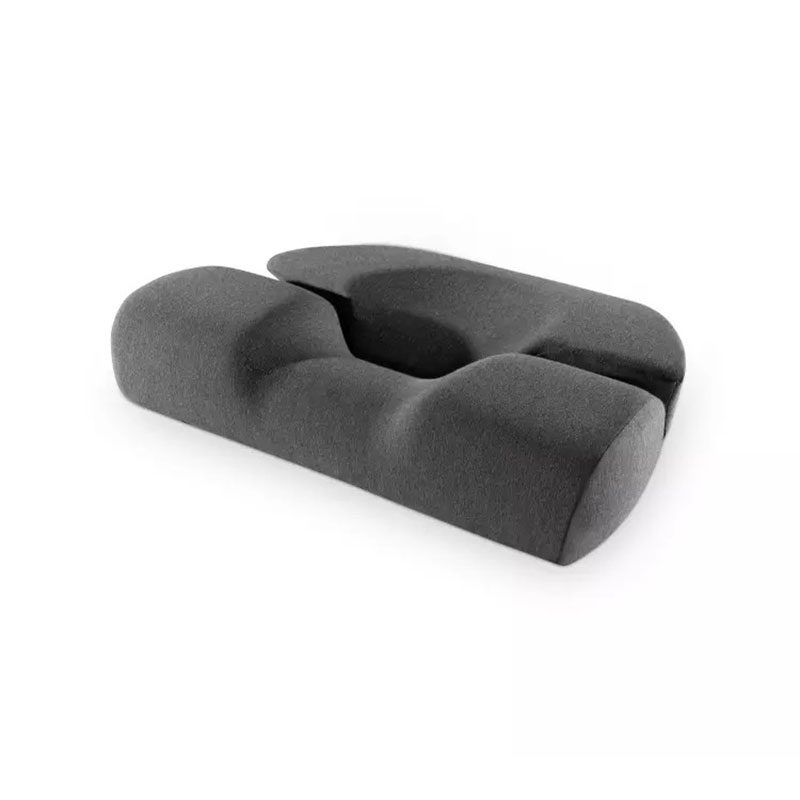
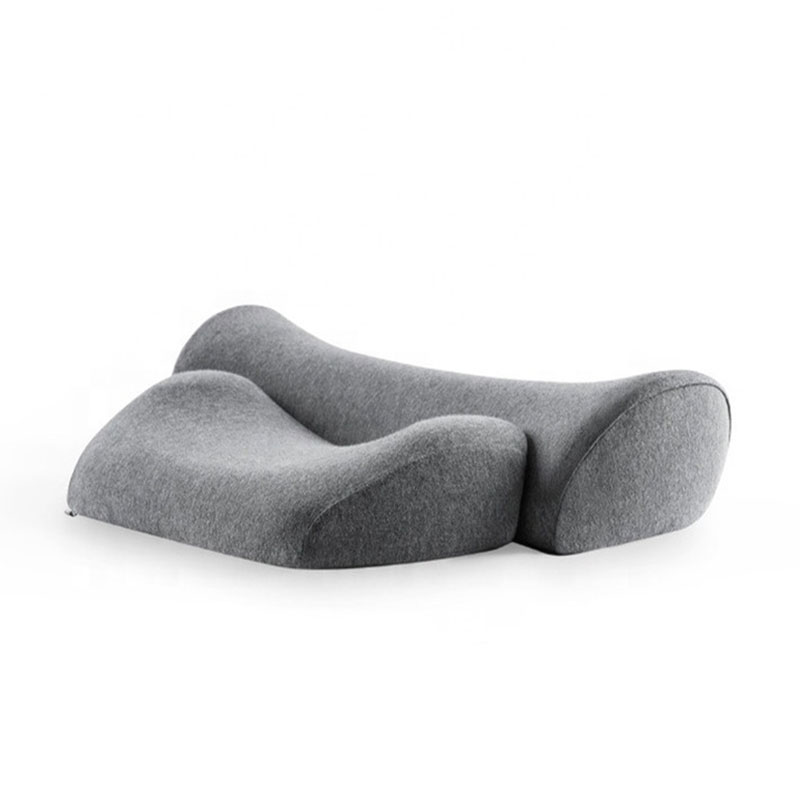
In the field of ergonomics, Memory Foam focuses on Contouring. It eliminates pressure points by absorbing energy, making it particularly suitable for users with chronic neck pain or frequent side sleepers, as it effectively fills the gap between the shoulder and the neck to maintain a neutral spine.
Latex focuses on Uplift. Latex pillows typically have higher compression resistance, preventing the head from sinking too deeply. If you are a back sleeper or have a larger frame, the support of latex ensures unobstructed airways and prevents muscle tension caused by a pillow that is too soft.
Thermal Sensitivity and Breathability
This is the greatest divergence in material science. Traditional Memory Foam exhibits significant Temperature Sensitivity, softening as body temperature rises. While this aids in contouring, the Closed-cell structure has historically led to heat retention. Although modern high-end foams utilize Open-cell technology or Cooling Gel infusions, the base thermal conductivity remains lower than that of natural materials.
Latex possesses a natural open honeycomb structure, making air circulation highly efficient. Because it does not rely on temperature for contouring, its firmness remains consistent across different seasons. Its moisture-wicking and heat-dissipating performance make it the ideal choice for hot sleepers.
Purity and Durability
From an environmental perspective, natural Latex is derived from the sap of rubber trees, offering inherent Anti-dust mite and antibacterial properties. Its lifespan often reaches 5 to 10 years without significant degradation.
Memory Foam is a petroleum-based derivative, and its quality is determined by Density. High-density memory foam (such as 5lb/ft³ or higher) is extremely durable, and products with CertiPUR-US certification are strictly controlled for Volatile Organic Compounds (VOCs). However, in extremely cold environments, low-quality memory foam may become brittle, affecting its longevity.
Decision Matrix for Selection
| Feature | Memory Foam | Latex |
| Feel | Deep contouring, slow recovery | Bouncy, instant feedback |
| Pressure Relief | Excellent for joint pain | Good, focuses on muscle support |
| Heat Dissipation | Moderate (requires Gel) | Excellent, naturally breathable |
| Movement Resistance | Higher, immersive feel | Minimal, easy to move |
| Best For | Neck pain, side sleepers | Back sleepers, hot sleepers, eco-conscious |
Achieving proper Spinal Alignment remains the ultimate goal. The personalized molding sensation of Memory Foam and the robust uplift of Latex both offer unique benefits. When sourcing, focusing on Density and manufacturing processes is more critical than brand name alone.
 previous post