 English
 عربى
عربىHow to Choose the Best Lumbar Support for Back Pain Relief
During long periods of work or driving, the pressure on the spine is often overlooked. Many people believe that lumbar discomfort is caused solely by poor posture, but the core issue lies in the mismatch between human physiological curves and seat structure. Addressing this pain point, the correct use of a lumbar cushion is the key to improving work efficiency and driving comfort.
Spinal Pressure and Ergonomic Principles
The human lumbar spine naturally has a forward physiological curve (lordosis). However, when a person sits in a standard chair, the pelvis tends to tilt backward, causing the lumbar spine to be forced into a flat or even backward arc, leading to excessive pressure on the intervertebral discs and resulting in muscle fatigue. The core design concept of a quality lumbar support pillow lies in filling the gap between the lower back and the seat back, providing effective mechanical support. Studies show that using a back support pillow can significantly reduce intradiscal pressure and maintain the spine's natural lordosis, thereby relieving muscle tension caused by prolonged sitting at the physical source.
Analysis of Support Needs in Different Scenarios
The application scenario determines the design focus of support products. For example, back support cushion designs must consider friction coefficients and attachment methods to prevent shifting, while car back support solutions must account for vibration absorption and material breathability during transit.
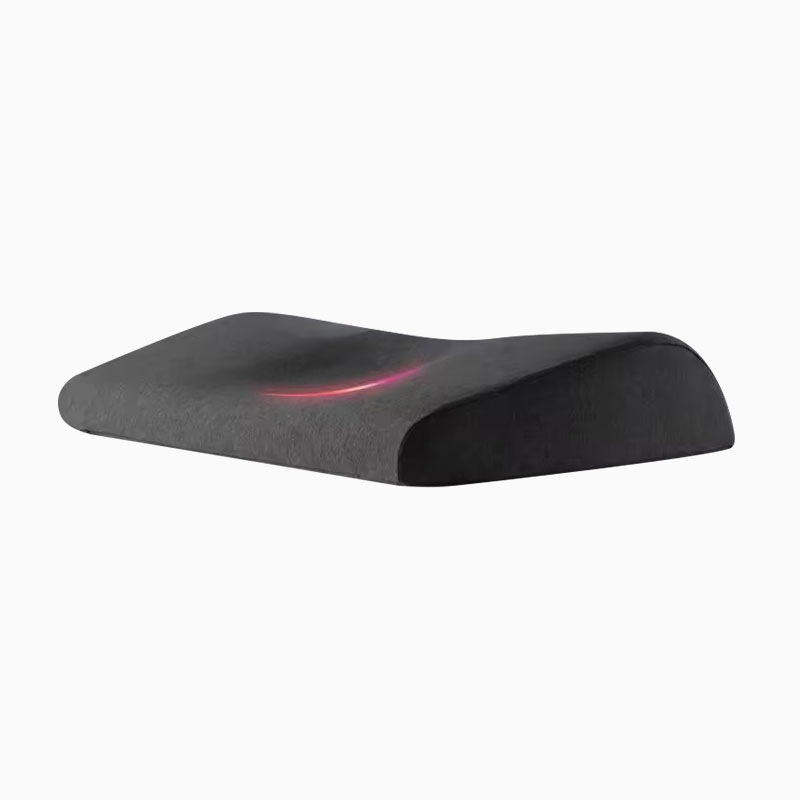
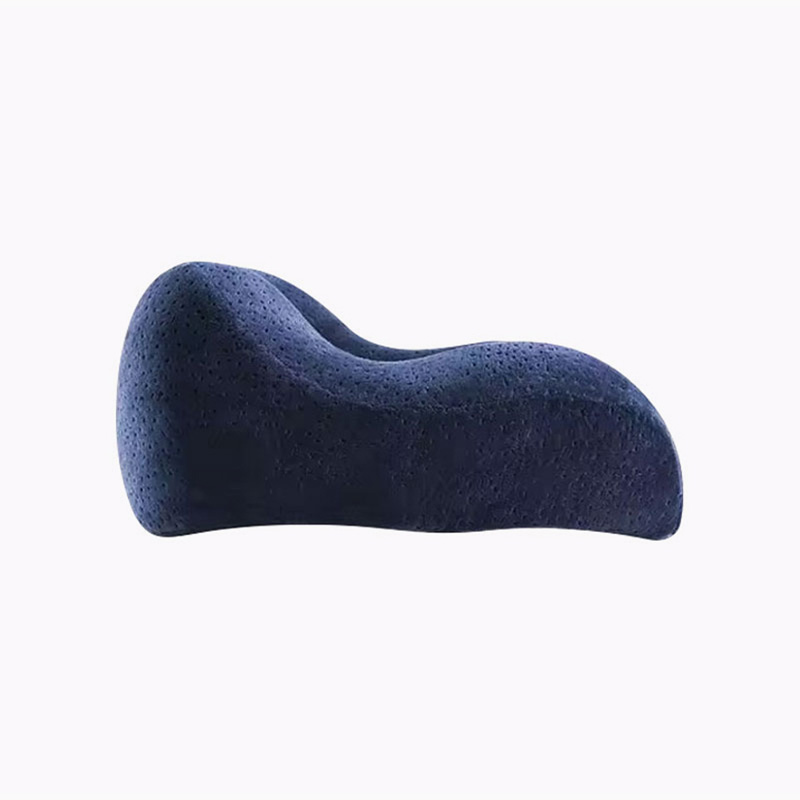
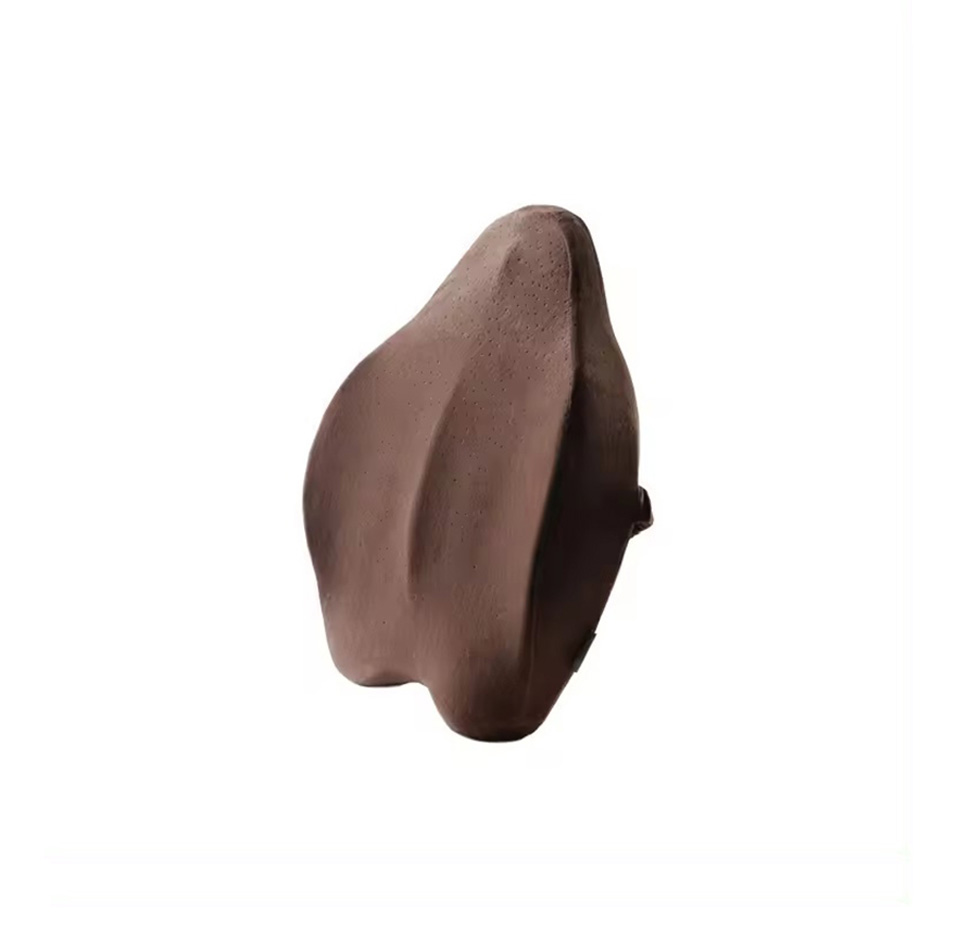
For users in office environments, the choice of lumbar support pillow for office chair should focus on self-adaptability. Since office chair depths vary, the support must cover the L1 to L5 lumbar region. By integrating memory foam or high-density materials into an office chair cushion for back pain, pressure can be dispersed, distributing body weight evenly across the support to avoid restricted blood flow caused by localized high pressure. For drivers, the use of a lumbar pillow for car requires balancing support with safety. Excessive thickness can alter the perceived distance to pedals, affecting vehicle operation. Therefore, an ideal car lumbar support must feature ergonomic curves that provide support without compromising the natural driving position.
Material and Performance Comparison
| Material Type | Resilience | Breathability | Durability | Stability |
| High-Density Memory Foam | Very High | Medium | High | Very Strong |
| High-Resilience Sponge | High | High | Medium | Medium |
| Polyester Fiber Fill | Medium | High | Low | Low |
| Gel-Enhanced Material | Very High | Very High | Very High | Strong |
Memory foam conforms to individual back curves through heat-sensitive molding, providing personalized support, making it the top choice for office and long-distance driving. In contrast, high-resilience sponges respond faster, suitable for scenarios where posture changes frequently.
Scientific Adjustment Suggestions
Even with a high-quality lumbar cushion, improper positioning prevents it from performing effectively. The correct installation should ensure the thickest part of the support is placed against the mid-lumbar region (approximately 3-5 centimeters above the belt line). Furthermore, the use of a lumbar support cushion is not a one-time fix. During long office hours, slight torso stretching every 45 minutes, combined with a correctly placed support, can effectively prevent the formation of chronic strain. During use, periodically check the tension of the fixing straps to ensure the support remains directly behind the lumbar spine when moving.
 previous post