
 English
 عربى
عربى
Product Categories
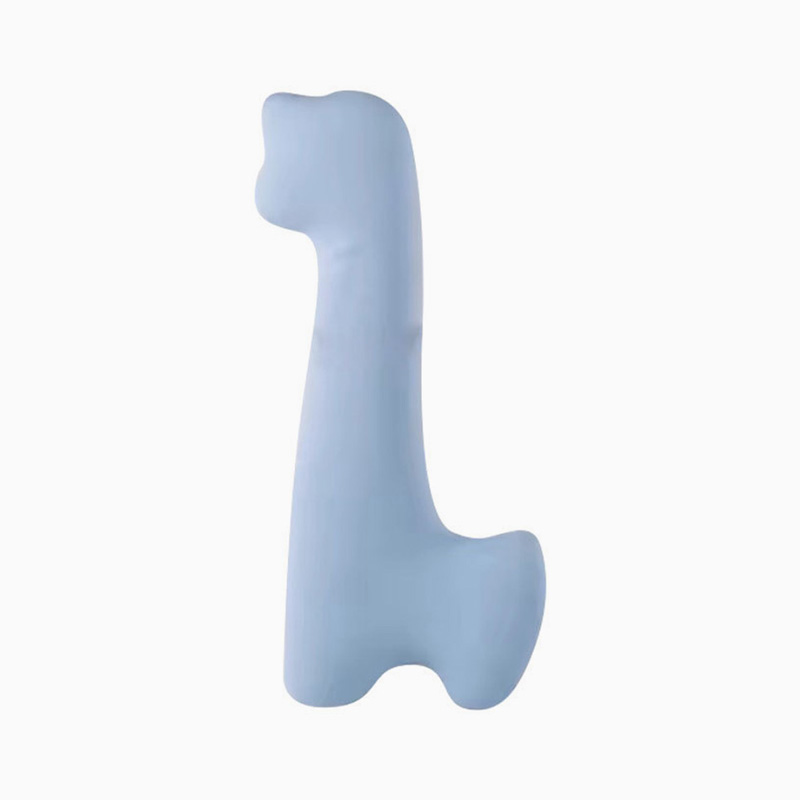
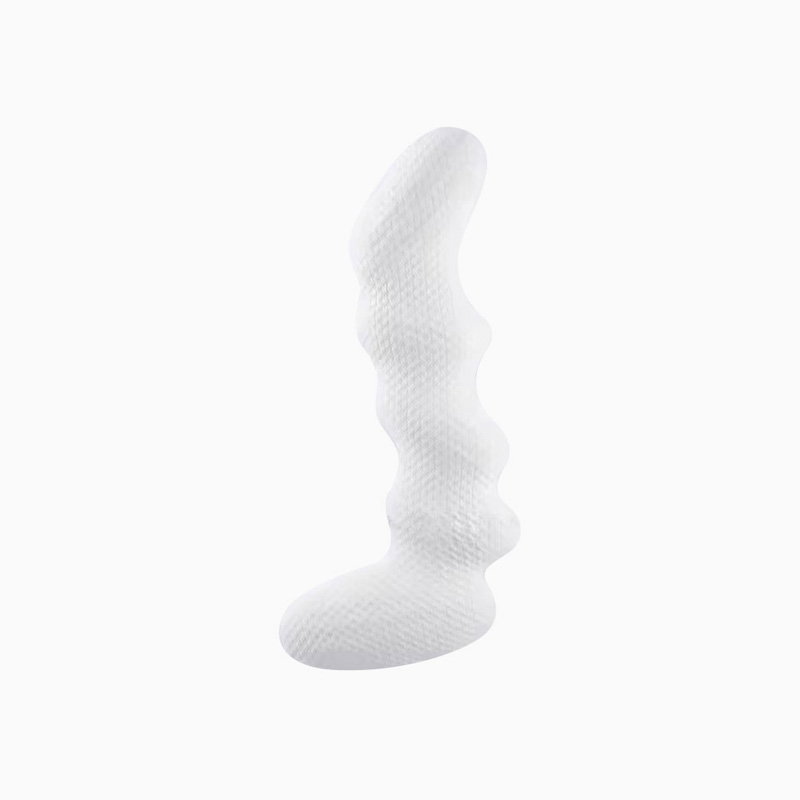
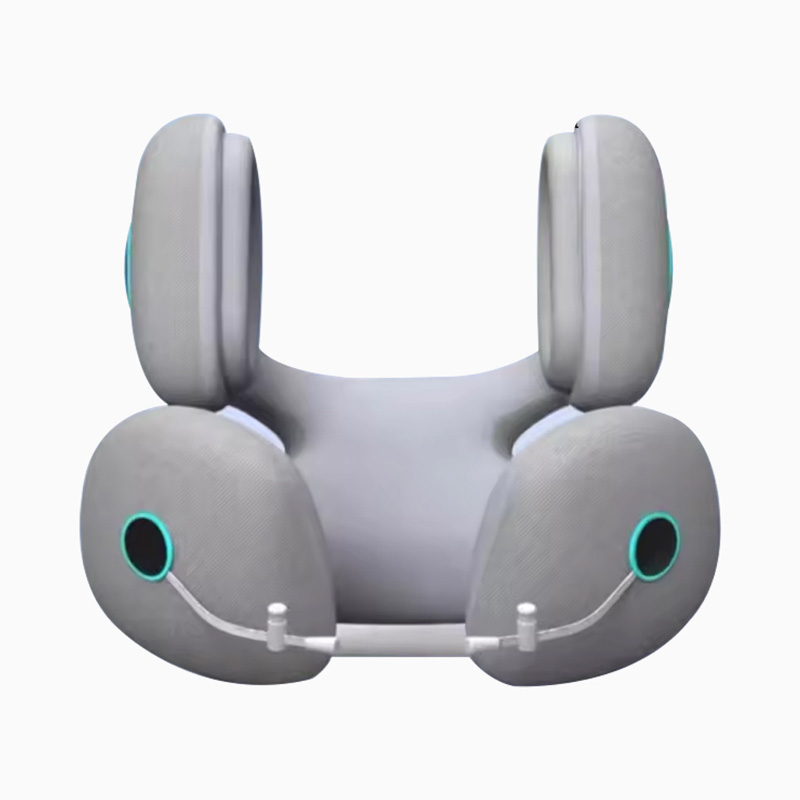
Memory Foam Lumbar Cushion Manufacturers
-
Lumbar Pain Relieve Bed Waist Back Support Lumbar CushionThe Lumbar Pain Relieve Bed Waist Back Support Lumbar Cushion is designed by professionals, this cus...
-
Memory Foam Thicken Lower Back Pain Relief Gel Bamboo Lumbar Pillow for SleepingThe Memory Foam Thicken Lower Back Pain Relief Gel Bamboo Lumbar Pillow for Sleeping is designed in ...
-
Bravo Memory Foam Thicken Lower Back Pain Relief Waist Support Lumbar CushionThis Bravo Memory Foam Thicken Lumbar Cushion is designed to improve spinal posture and reduce strai...
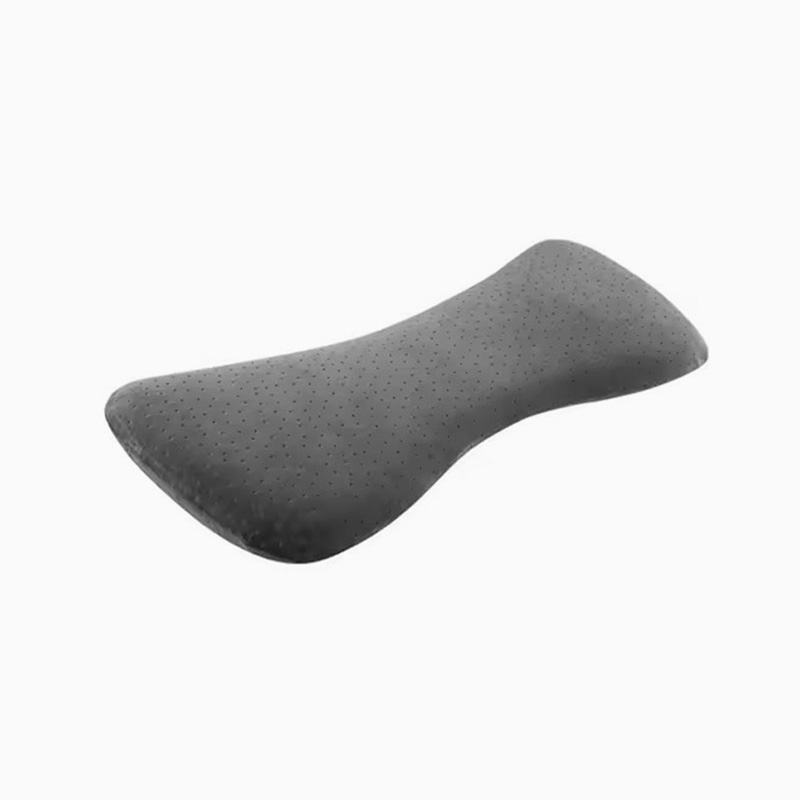
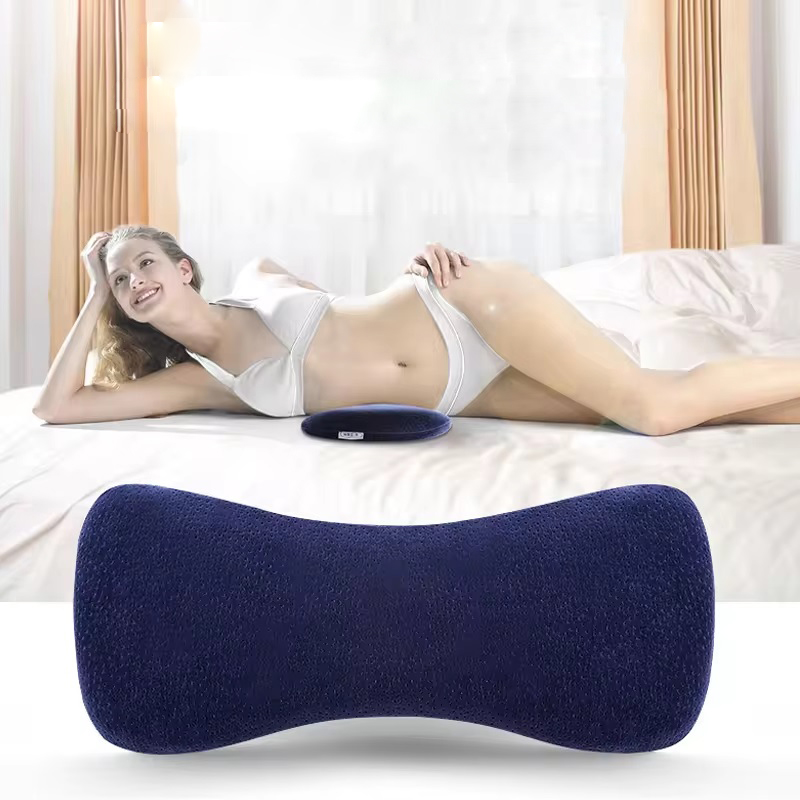
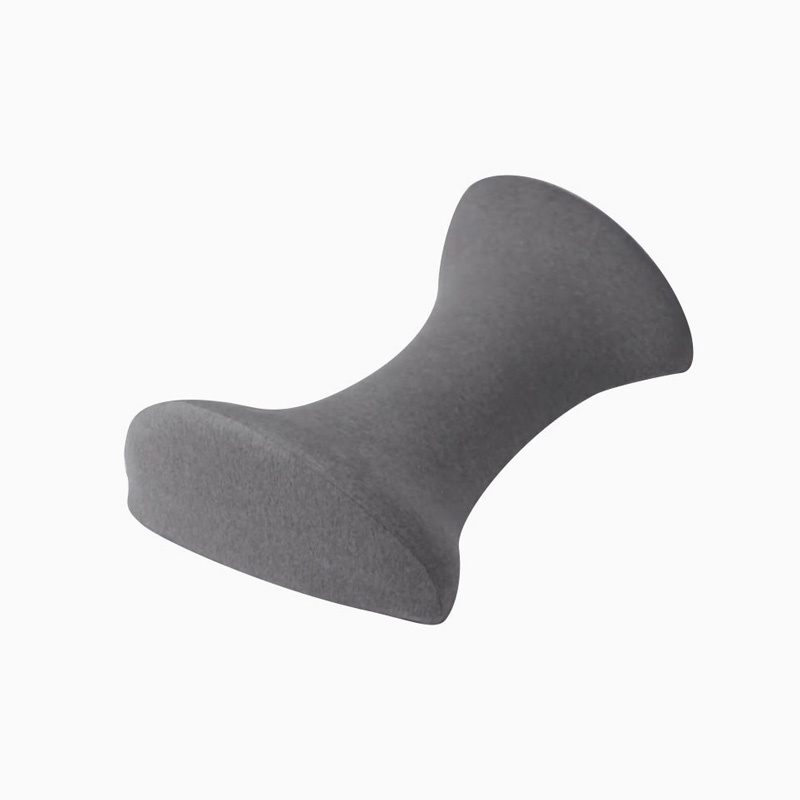
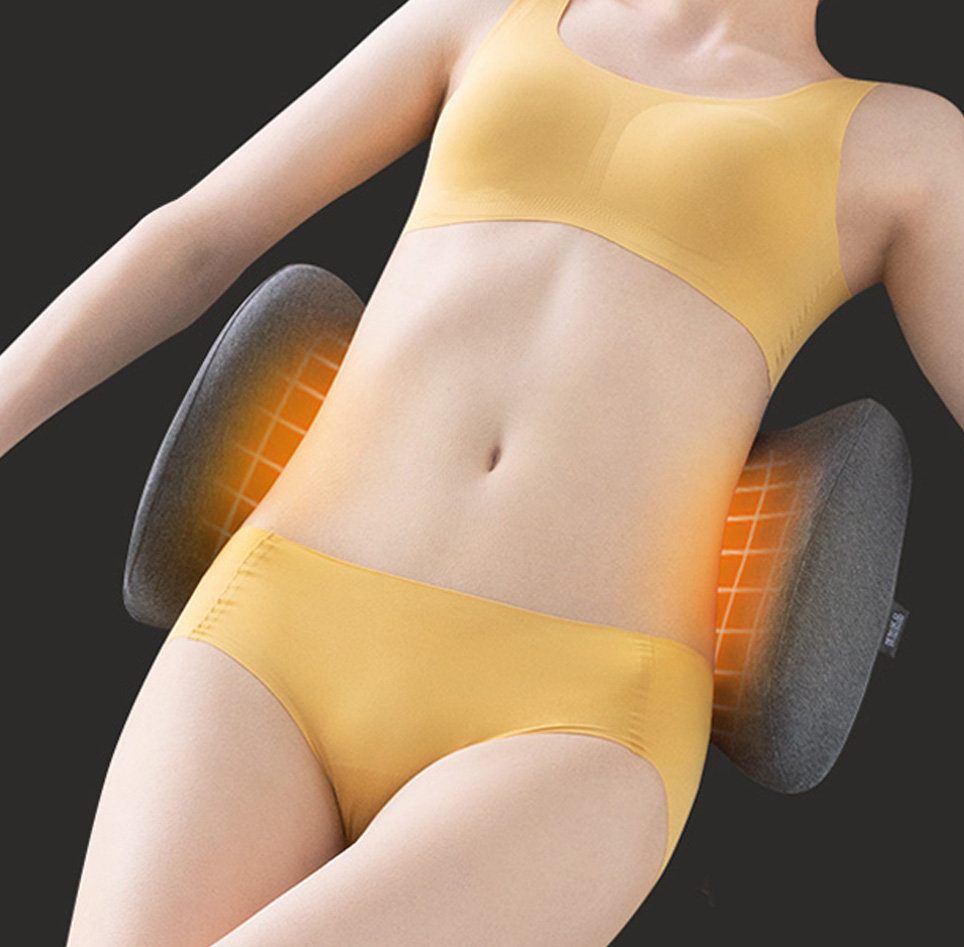
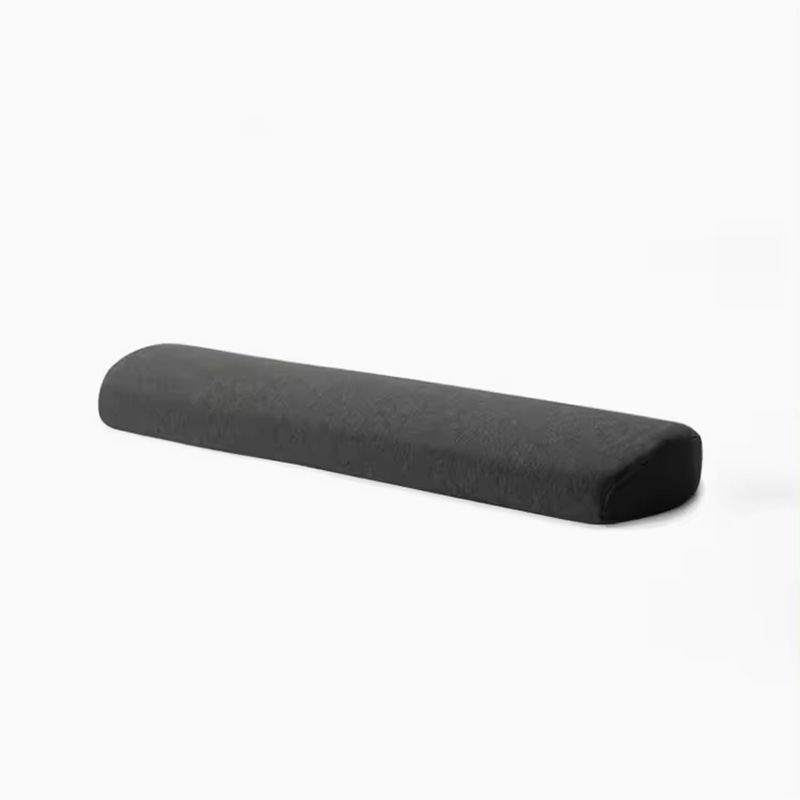
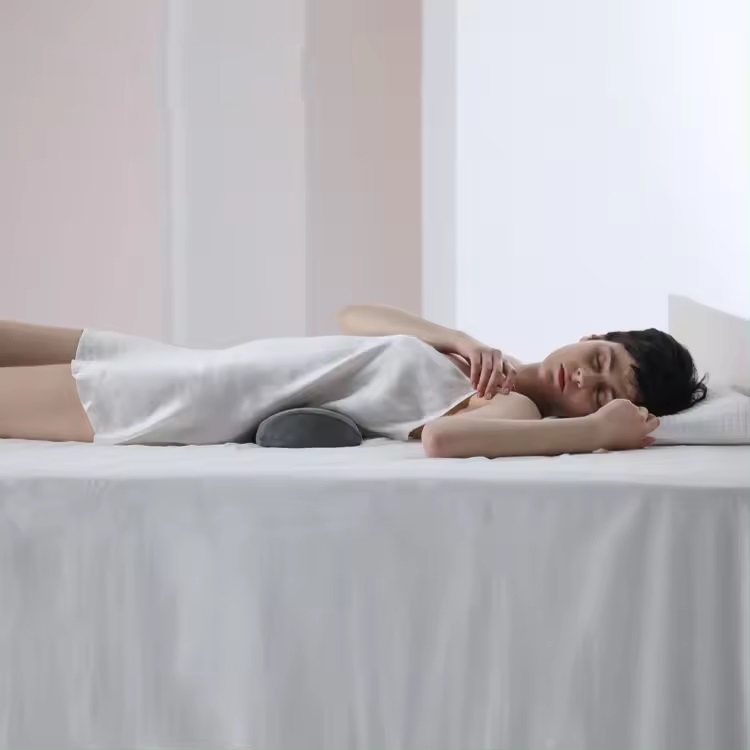
Bravo's patented lumbar cushion uses an ergonomic design to fill the gap between the waist and the bed, fit the lumbar curve, and effectively relieve pain caused by the waist, thereby reducing the burden on the back.
The back padding uses resilient memory foam to provide you with long-lasting comfort and the right balance between support and comfort.
Orthopedic surgeons recommend ergonomically streamlined high-density memory foam lumbar pillows to relieve waist and hip pain. Memory foam is made of polyurethane, so it can be used by pregnant women and children with confidence.

About Us
Quality Assured Integrated Memory Foam Manufacturing Service Provider
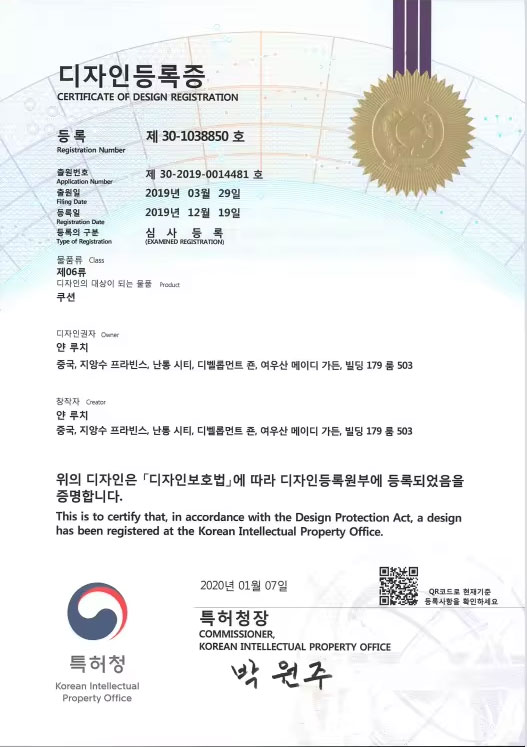
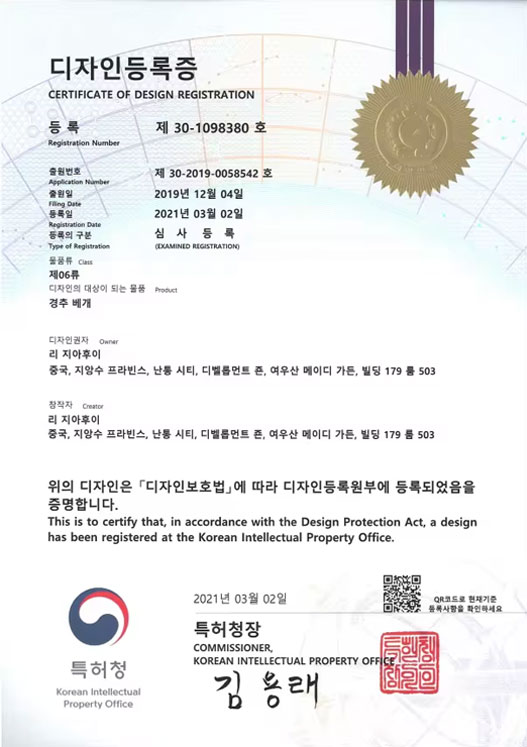
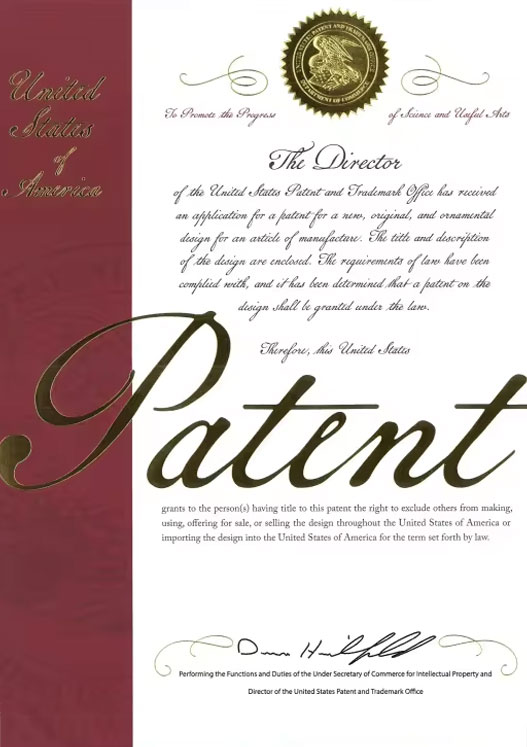
Nantong Bulawo Home Textile Co,.Ltd. established in 2016, is located in Nantong City Jiangsu Province the coastal city. As a famous China Memory Foam Lumbar Cushion Manufacturers and Lumbar Cushion Suppliers. We have our factory. It has abundant resources, convenient transportation, and enough electricity. It has standard factory rooms and Spacious grounds. Our factory area is over 6000 square meters. We have more than 47 employees and 3 stylists. Most of our products obtained several R&D patents. The products are sold all over the world, such as USA, Korea and Japan. We specialize in the development, manufacturing, marketing, and service of ergonomic memory foam pillows, seat cushions, back support pillows, travel pillows, and so on. If you would like to OEM your brand to expand the market, please contact us.
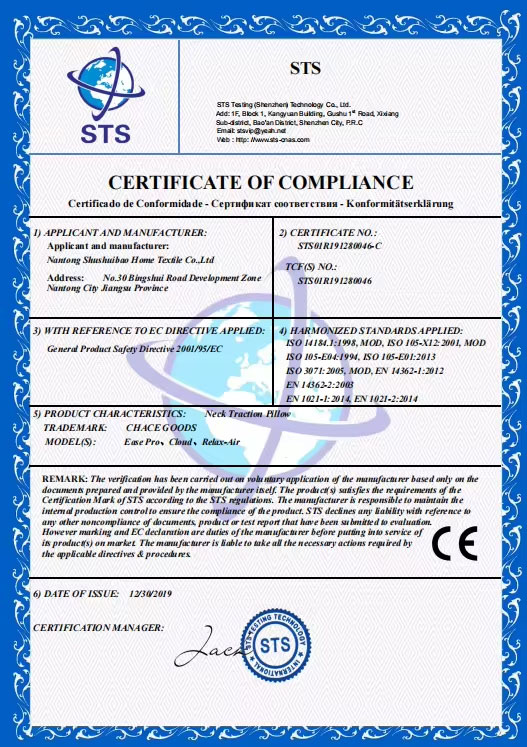
Honor
News
-
Industry News 2026-03-18
Mechanical Links Between Back Sleeping No Pillow and Spinal Health In modern sleep research, back sleeping no pillow is considered a sleep practice th...
View More -
Industry News 2026-03-11
Modern Sedentary Crisis: The Solution of Memory Foam Lumbar Cushion In today’s digital work environment, the human body faces unprecedented challenges...
View More -
Climate Regulation and Back Support: Which is Better for Hot and Humid Regions, Latex or Memory FoamIndustry News 2026-03-04
In tropical or subtropical regions characterized by high heat and humidity, choosing the right lumbar support is not just about Spinal Alignment; it i...
View More -
Industry News 2026-02-25
For frequent business travelers and international flyers, the rigid seats of airplane cabins and the temporary office chairs in hotels are primary cul...
View More
Contact us now
Lumbar Cushion Industry Knowledge
I. Memory Foam Lumbar Cushions: Essential Back Support Explained
The pace of modern life has normalized long periods of sitting, whether facing a computer at an office desk or driving during a commute. The pressure exerted on the lumbar region accumulates continuously. This sustained pressure often leads to discomfort, and sometimes, chronic pain. Against this backdrop, Memory Foam Lumbar Cushions have gained increasing attention and popularity as an effective auxiliary support tool.
What is a Memory Foam Lumbar Cushion?
Definition and Purpose
A Memory Foam Lumbar Cushion is specifically designed to support the natural physiological curvature of the lumbar spine. Its core filling material is Memory Foam (also known as viscoelastic polyurethane foam). This material has a unique viscoelasticity characteristic: when subjected to pressure and temperature, the memory foam rebounds slowly and precisely molds itself to the user's body contour.
The main purposes of a memory foam lumbar cushion are:
- Gap Filling: When we sit in a chair, especially traditional straight-backed chairs, a gap usually forms between the lower back and the chair back. This lack of support causes the lumbar spine to lose support, forcing muscles to overwork to maintain posture. A memory foam cushion perfectly fills this gap, providing continuous and uniform support to the lumbar spine.
- Maintaining Natural Curve: It helps the user maintain the correct "S" shape of the spine's natural curve, particularly the slight forward curve (lordosis) of the lumbar region, thereby reducing pressure on the intervertebral discs and surrounding ligaments.
Since its establishment in 2016, Nantong Bulawo Home Textile Co,.Ltd. has focused on ergonomic memory foam products, including lumbar cushions. The company operates from a standard factory facility exceeding 6,000 square meters in Nantong City, dedicated to providing high-quality memory foam lumbar support solutions through professional R&D and manufacturing capabilities. This focus on ergonomics ensures that their products truly meet users' needs for lumbar comfort and support.
How it differs from other lumbar support products
The market offers various lumbar support products, but the Memory Foam Lumbar Cushion stands out due to its unique material advantages. The table below compares memory foam with other common lumbar support materials:
| Characteristic/Material | Memory Foam | High-Density Foam | Air Bladder Cushion |
|---|---|---|---|
| Support Principle | Contours to the body, slow rebound, uniform pressure distribution | Rigid support, provides pressure in a fixed shape | Offers adjustable support intensity via air volume |
| Comfort Level | Excellent, provides a "customized" feeling of enclosure | Average, can be too firm or lack contouring | Moderate, but may cause localized pressure points |
| Pressure Distribution | Excellent, minimizes pressure points | Average, may cause reaction forces at contact points | Unstable, depends on the air bladder design |
| Durability | Good, not prone to permanent deformation (requires high quality) | Poor, prone to collapse with prolonged use | Good, but susceptible to air leaks |
| Response to Temperature | Temperature-sensitive, softens with body heat | Not temperature-sensitive | Not temperature-sensitive |
The slow rebound and temperature sensitivity of memory foam are its core advantages. When you sit down, your body temperature slightly softens the contact areas of the memory foam, allowing it to perfectly mold to your lumbar contour, providing tailored support. This is a quality difficult to achieve with ordinary foam or inflatable cushions.
Benefits of Using a Memory Foam Lumbar Cushion
Proper use of a Memory Foam Lumbar Cushion can bring significant health benefits to individuals who sit for long periods:
- Back Pain Relief
- By maintaining the correct physiological position of the lumbar spine, the memory foam cushion reduces the excessive load on the intervertebral discs and surrounding muscle groups. It corrects poor slumping posture, eliminating the main mechanical pressure causing pain.
- Improved Posture
- The cushion encourages the user to push the pelvis back, keeping the spine in a neutral position. Long-term use helps build muscle memory, naturally fostering correct sitting habits and effectively preventing poor posture like slouching.
- Enhanced Comfort
- The viscoelastic nature of memory foam allows it to gently support the body, eliminating the pressure points and discomfort caused by traditional hard chairs. This enveloping support significantly enhances comfort during prolonged sitting.
- Pressure Relief
- Memory foam distributes body weight over a larger contact area, preventing the formation of localized high-pressure points. This is particularly important for users with sensitive lower backs or conditions like sciatica.
- Spinal Alignment
- The cushion ensures the lumbar spine is in its most natural and relaxed position. This benefits not only the lower back but also influences the thoracic and cervical spines upward, promoting healthy alignment of the entire spinal system.
The product development philosophy of Nantong Bulawo Home Textile Co,.Ltd. is founded on these ergonomic benefits. The company employs 3 professional stylists dedicated to developing patented memory foam products. This commitment ensures the scientific accuracy of the products' support capabilities and reflects the company's promise to offer products genuinely beneficial to user health. From design to manufacturing, the company strictly controls quality to ensure every lumbar cushion effectively achieves its core value of "pain relief and posture improvement."
II. Who Needs a Memory Foam Lumbar Cushion? Identifying the Ideal User
While Memory Foam Lumbar Cushions help anyone maintain a comfortable sitting posture, they are nearly essential for certain demographics. Understanding who benefits most helps users make more informed choices.
Who Should Use a Lumbar Cushion?
1. Office Workers
Sitting for extended periods (e.g., 8 or more hours daily) in an office chair is a leading cause of lower back pain. Even chairs advertised as ergonomic often fail to perfectly fit everyone's spinal curvature. When the body tires, people naturally lean forward or slouch back, leading to excessive spinal flexion or flattening.
- Problem Solved: The Memory Foam Lumbar Cushion offers customizable support for office workers. It encourages correct pelvic positioning and provides continuous support to the lumbar spine, significantly reducing spinal stress and making long workdays easier.
- Company Focus: Nantong Bulawo Home Textile Co,.Ltd. deeply understands the needs of office workers. The company has secured several R&D patents in product development, specifically focusing on creating memory foam cushions that fit the back curves of standard office chairs, ensuring stability and accommodating the support needs of users of different heights.
2. Drivers
Whether long-haul truck drivers, taxi drivers, or daily commuters, car seat design often prioritizes safety and space over long-term comfort and ergonomics. During driving, the body absorbs shocks from road bumps, and pedal operation can place the pelvis and lumbar region out of a neutral position.
- Problem Solved: A Memory Foam Lumbar Cushion can absorb minor vibrations during driving while providing essential lumbar support. It is particularly effective when the vehicle's built-in cushion is too soft or lacks sufficient support, preventing the lower back from sliding forward or backward during the drive.
- Practical Consideration: Considering the driving environment, Nantong Bulawo Home Textile Co,.Ltd. designs some lumbar cushions with a focus on adjustable and secure strapping systems, ensuring the cushion stays in the correct position even during sudden braking or turns, offering reliable and continuous Car Lumbar Support to the user.
3. Individuals with Back Pain
For people diagnosed with conditions like disc herniation, sciatica, or chronic lumbar muscle strain, maintaining correct spinal alignment is vital.
- Problem Solved: The contouring nature of memory foam means it does not oppose painful areas like rigid support might. Instead, it gently conforms to the body, providing "enveloping" support that reduces muscle tension and promotes relaxation, making it an important aid for Back Pain Relief.
4. Pregnant Women
As pregnancy progresses, the increased weight of the abdomen shifts the body's center of gravity, intensifying lumbar lordosis. This places immense pressure on the lower back muscles and ligaments, a primary cause of back pain in pregnant women.
- Problem Solved: A Memory Foam Lumbar Cushion offers additional support for the overworked lower back, helping to alleviate muscle fatigue and pain caused by the shifting center of gravity.
5. People Recovering from Injuries
Whether following spinal surgery, a sports injury, or another form of back trauma, the recovery period requires avoiding undue pressure and twisting.
- Problem Solved: Doctors often recommend auxiliary support for these patients while sitting. The stable, non-invasive support provided by a memory foam cushion helps protect the injured area during recovery and guides the body back to the correct posture.
III. How to Choose the Right Memory Foam Lumbar Cushion: A Buyer's Guide
Selecting the appropriate Memory Foam Lumbar Cushion is key to ensuring its effectiveness. The wrong cushion might fail to provide adequate support or could even aggravate discomfort. Buyers need to carefully consider several key features to ensure the cushion perfectly fits their body, usage environment, and specific needs.
Key Features to Consider for Your Memory Foam Lumbar Cushion
- Density and Firmness
- Density: An important measure of memory foam quality and durability. Higher-density memory foam (usually measured in pounds per cubic foot) is heavier, lasts longer, and provides more stable support, but is also more expensive.
- Firmness: Relates to the comfort of the support. A cushion that is too soft may quickly collapse, failing to provide effective support; one that is too firm may cause excessive localized pressure. Ideal memory foam should allow you to sink in slowly and uniformly after sitting down, providing support that is both comfortable and substantial.
- Shape and Size
- Shape: Several main shapes are available, including D-shape, U-shape, and butterfly shape. D-shapes usually offer more concentrated deep support; U-shapes or butterfly shapes provide wider side wings, helping to prevent the body from shifting sideways.
- Size: The width and height of the cushion must match your seat and body type. It should cover your entire lumbar region but should not be so high that it pushes against your shoulder blades or so low that it presses against your sit bones.
- Breathability and Cover Material
- Because memory foam itself is temperature-sensitive and less breathable than ordinary foam, it can easily trap heat during prolonged use. Therefore, choosing a cover with good breathability is crucial. Common breathable materials include mesh fabric, bamboo fiber, or specialized 3D breathable fabrics.
- Adjustability
- Excellent lumbar cushions often come with adjustable straps or buckles to securely fasten the cushion to the correct position on the chair back. This is especially important for drivers and frequent movers of office chairs.
- Portability
- If you plan to use the same cushion in the office, car, and while traveling, its weight and size need to be easy to carry. Some designs include handles or compressible outer bags.
Nantong Bulawo Home Textile Co,.Ltd., established in 2016, is a specialized manufacturer focused on ergonomic memory foam products. The company understands the importance of these features to the user experience. Within its standard factory area of over 6,000 square meters, Nantong Bulawo Home Textile Co,.Ltd. strictly controls the memory foam foaming process, ensuring the density and slow rebound characteristics of its products meet high standards, thereby providing stable and durable lumbar support to customers worldwide. The company also emphasizes the selection of fabric materials to ensure product breathability, even in warm regions (such as the USA, Korea, and Japan, where its products are popular).
Understanding Types of Memory Foam in Lumbar Cushions
Not all memory foam is created equal. Technological advancements have introduced several different types of memory foam, which vary in comfort and temperature regulation:
| Memory Foam Type | Key Characteristics | Advantages | Suitable Scenarios |
|---|---|---|---|
| Traditional Memory Foam | Shapes according to body temperature, good viscoelasticity. | Strong support, provides the classic slow rebound experience. | Users not sensitive to temperature or needing use in cooler environments. |
| Gel-Infused Memory Foam | Cooling gel particles are mixed into the memory foam. | Significantly enhanced heat dissipation performance, effectively disperses heat and stays cool. | Users who sweat easily or for use in warm environments/during prolonged sitting. |
| Open-Cell Memory Foam | Internal structure is open rather than closed bubbles. | Improved air circulation, enhanced breathability, reduces heat buildup. | Users prioritizing breathability but with no high need for cooling gel. |
Factors to Consider Based on Usage
- Memory Foam Lumbar Cushion for Office Chairs
- Key: Stability. Choose a cushion with sturdy adjustable straps to ensure it doesn't slide when you adjust your posture or stand up and sit back down. The size should be moderate, conforming to the curvature of a standard office chair back.
- Memory Foam Lumbar Cushion for Car Seats
- Key: Adaptability and width. Car seats often have built-in support or special curves, so the cushion should not be too thick, to avoid pushing the body too far forward. The width should be designed to fit comfortably within the confines of a car seat.
- Memory Foam Lumbar Cushion for Travel
- Key: Portability and compressibility. Choose a design that is small, lightweight, and compressible. For example, a product that doubles as a back support pillow or travel pillow.
Nantong Bulawo Home Textile Co,.Ltd. is dedicated not only to manufacturing but also to development. The company offers OEM services, meaning they can customize the design and production of Memory Foam Lumbar Cushions based on the specific requirements of different markets (such as varying car seat designs or user preferences for firmness in different countries). This customization ability ensures that their products, whether sold in the USA, Korea, or Japan, meet the precise ergonomic support requirements of local users.
IV. Maximizing the Benefits: Proper Use and Care of Your Cushion
Even if you choose the highest quality Memory Foam Lumbar Cushion, its support and comfort can be greatly reduced if used incorrectly. Correct usage and regular maintenance are crucial to ensure the cushion performs optimally and extends its lifespan.
How to Properly Use a Memory Foam Lumbar Cushion
Placement and Adjustment
Correct positioning of the lumbar cushion is the first step to effective support. Many people mistakenly place the cushion in the middle of their back or too low at the bottom.
- Determining the Ideal Position: The core protrusion of the cushion should be located at your natural lumbar curve (the inward curve of your lower back). This is typically slightly above your belt line, roughly at navel level.
- Feeling the Support Point: When leaning against the cushion, you should feel that the support is gentle and evenly distributed across the entire lower back, rather than just exerting pressure at one single point. If the cushion forces you to slouch or lean too far forward, its position or size is incorrect.
- Using the Straps: Use the adjustable straps or fasteners provided with the cushion to secure it to the chair back. Ensure the straps are tight so the cushion does not slip or move when you stand up or adjust your sitting posture.
- Important Tip: When using it for the first time, stand up, adjust the cushion to the correct position, then sit down slowly to gauge the support effect. Make micro-adjustments as needed.
Nantong Bulawo Home Textile Co,.Ltd. recognizes that users vary greatly in body size and chair height. Therefore, when designing its Memory Foam Lumbar Cushions, the company places special emphasis on the versatility and ease of use of the strapping system. These design considerations, such as high-quality fasteners and appropriately sized straps, ensure that users can easily secure the cushion in the exact ergonomic position required, whether using it in the office or the car.
Maintaining Good Posture
The cushion is an aid, but good sitting posture requires active maintenance.
| Poor Sitting Habits | Key Points for Correct Posture (with cushion) |
|---|---|
| Pelvis tilted forward (slouching) | Pelvis pushed back, ensuring the lower back is pressed against the cushion. |
| Feet dangling or crossed | Feet flat on the floor, or use a footrest, ensuring knees are slightly below or level with the hips. |
| Leaning forward to view the screen | Eyes level with the top of the screen, keeping the head neutral and avoiding neck strain. |
| Maintaining one position for too long | Get up and move every 30-60 minutes, even if only for 1-2 minutes. |
Cleaning and Care
Proper maintenance effectively extends the life of the memory foam and maintains hygiene.
- Cleaning the Cover: Most Memory Foam Lumbar Cushions come with a removable cover (usually zippered). It is recommended to remove the cover periodically and clean it according to the label instructions, typically warm water machine wash or hand wash.
- Cleaning the Memory Foam Core: Never soak the memory foam directly in water or machine wash it. Memory foam is difficult to dry once wet and water can damage its viscoelastic structure. If the core has stains, use a damp cloth with a small amount of mild detergent for spot cleaning, then let it air dry completely in a cool, ventilated area, avoiding direct sunlight (sunlight and high temperatures can accelerate memory foam degradation).
- Odor Treatment: Newly purchased memory foam products may have a slight "new product smell" (often referred to as VOCs). This is normal. Before use, it is recommended to place the cushion (with the cover removed) in a ventilated area for 48-72 hours to largely eliminate the odor.
Nantong Bulawo Home Textile Co,.Ltd., as a specialized home textile company, understands that product durability and hygiene are vital to the user experience. In its product design, the company focuses on using high-quality zippers and easy-to-clean cover materials to facilitate user maintenance. Since establishing its factory in 2016, the company's products have been sold in markets with extremely high quality and safety standards, such as the USA, Korea, and Japan, which underscores its high standards in material selection and manufacturing processes, ensuring the safety and longevity of its memory foam products.
V. Frequently Asked Questions (FAQ) about Memory Foam Lumbar Cushions
When considering purchasing or using a Memory Foam Lumbar Cushion, users often have questions about safety, lifespan, and efficacy. This section addresses these common concerns.
Addressing Common Concerns
Is memory foam safe?
Memory Foam is primarily made from polyurethane foam. Modern, high-quality memory foam products are usually manufactured in compliance with strict health and safety standards to ensure they are free from harmful chemicals.
- Safety Certification: Consumers should look for third-party certifications that test the material for harmful VOCs (Volatile Organic Compounds) and heavy metals.
- Odor Issue: As mentioned earlier, new products may have a slight "new product smell," which is due to residual substances from the manufacturing process off-gassing. This odor typically dissipates after a few days of ventilation, and high-quality memory foam products will have a lower odor intensity and faster dissipation time.
Nantong Bulawo Home Textile Co,.Ltd. is a company dedicated to the R&D and manufacturing of ergonomic memory foam products. The company understands that products sold in international markets like the USA, Korea, and Japan must meet the highest global quality and safety standards. Therefore, the company maintains strict control over raw material sourcing and the foaming process to ensure that the memory foam used in its cushions is safe and healthy.
How long does memory foam last?
The lifespan of a Memory Foam Lumbar Cushion depends on its density, frequency of use, and daily care.
| Feature Comparison | High-Density Memory Foam (Recommended) | Low-Density Memory Foam (Caution) |
|---|---|---|
| Support Degradation | Slower, typically begins to soften after 3-5 years | Faster, often softens significantly within 1-2 years |
| Rebound Speed | Slow rebound property is more pronounced and long-lasting | Rebounds quickly, may lose its "memory" characteristic |
| Average Lifespan | 3 - 5 years or longer | 1 - 2 years |
- Identifying When to Replace: Replacement is necessary when you notice the cushion no longer provides firm and uniform support, develops a permanent indentation, or immediately collapses without rebounding when you sit down.
Nantong Bulawo Home Textile Co,.Ltd. executes strict manufacturing standards within its 6,000+ square meter facility to produce high-quality memory foam products. The R&D patents obtained by the company cover not only product design but also material formulation and process optimization, aiming to enhance the durability and resistance to deformation of the memory foam, thereby providing users with a longer-lasting Back Support Pillow experience.
Can a lumbar cushion fix my back pain?
This is a common misconception. The role of a Memory Foam Lumbar Cushion is supportive, preventative, and palliative, but it cannot replace professional medical treatment.
- Supportive Role: The cushion alleviates extra pressure on the lumbar spine during sitting by correcting and maintaining proper posture. It can provide significant relief for pain caused by poor posture and muscle fatigue.
- Treatment Limitations: If your back pain is caused by a medical condition (such as severe disc herniation, spondylolisthesis, or arthritis), the cushion should only be used as part of a treatment plan recommended by a doctor.
- Correct Expectation: The cushion helps users stay comfortable during prolonged sitting and prevents pain from worsening. It is an ergonomic tool, not a medical device. Users experiencing severe, persistent pain should seek professional medical advice.
Nantong Bulawo Home Textile Co,.Ltd. focuses on the R&D, manufacturing, marketing, and service of ergonomic memory foam pillows, seat cushions, and back support pillows. The core value of all the company's products is to provide ergonomic support, aiming to improve users' daily comfort and posture through scientific design. The company encourages users to view the Memory Foam Lumbar Cushion as part of maintaining a healthy lifestyle and to seek professional medical help when necessary.
Copyright © 2023 Nantong Bulawo Home Textile Co,.Ltd. All Rights Reserved
