 English
 عربى
عربىAre memory foam pillows actually good for you
The Sleep Revolution: The Rise and Scientific Principles of Memory Foam Pillows
The story of memory foam pillows did not begin in the bedroom but in the extreme pursuit of human space exploration. In the 1960s, NASA (National Aeronautics and Space Administration) commissioned engineers to develop a material capable of absorbing impact and evenly distributing pressure to cushion astronauts against the immense G-forces during takeoff and landing. This viscoelastic material, originally known as slow-rebound foam or temper foam, serves as the core technological foundation for modern memory foam pillows.
Aerospace Origins and Molecular Dynamics
The viscoelastic polyurethane foam used in memory foam pillows possesses a unique molecular structure. Unlike traditional sponges that bounce back immediately upon pressure, the molecular chains in memory foam pillows shift when exposed to heat (such as body temperature) and pressure. This physical property is known as creep, allowing memory foam pillows to flow like a fluid to contour to the head and neck, then slowly recover to their original shape like an elastic solid once the pressure is removed. This memory effect is exactly how memory foam pillows earned their name. At the molecular level, these polymer chains increase their mobility when warmed, enabling the pillow surface to precisely simulate the geometric shape of the object applying pressure, achieving true individualized support.
The Physics of Pressure Relief
On traditional pillows, the weight of the head often concentrates on several protruding points (such as the ears or the back of the skull), leading to compression of microcirculation. Memory foam pillows, through their unique pressure sensitivity, distribute this concentrated pressure evenly across the entire contact surface. The core lies in the optimization of point-matrix pressure distribution. Tests with precision sensors show that while peak pressure on ordinary fiber pillows is usually concentrated at the occipital protuberance, memory foam pillows can reduce peak pressure by more than 60 percent.
Maximization of Contact Area: When you lie down, memory foam pillows soften according to your body temperature, filling the gaps beneath the neck. This expands the weight-bearing area from local points to the entire surface of the back of the head and neck.
Energy Dissipation (Hysteresis): This material absorbs and dissipates energy, reducing the vibration caused by turning over. This property, also known as damping, is the physical basis for the ability of memory foam pillows to significantly improve sleep stability and prevent the transfer of motion.
The Anatomical Key to Neutral Spinal Alignment
The core of sleep quality lies in the physiological alignment of the spine. The greatest health value of memory foam pillows is their maintenance of a neutral spinal position. Whether you are a side sleeper or a back sleeper, memory foam pillows ensure that the cervical spine does not bend upward or collapse downward.
Supine Position (Back Sleeping): It fills the gap between the cervical curve and the mattress, preventing the head from tilting too far back, which avoids airway restriction caused by the tongue falling backward.
Side Sleeping Position: It provides sufficient thickness and firmness to support the weight of the head, keeping the cervical spine in a horizontal line with the thoracic spine, preventing myofasciitis and nerve impingement caused by long-term side sleeping.
Performance Parameter Comparison: Memory Foam Pillows vs. Traditional Materials
| Physical Metric | Memory Foam Pillows | Down/Feather Pillows | Polyester Pillows |
| Density Range | 40 - 80 kg/m3 | Extremely Low | 15 - 25 kg/m3 |
| Support Stability | Extremely High | Low | Medium |
| Pressure Relief | Excellent (approx. 2.0 kPa) | Medium (approx. 4.5 kPa) | High (approx. 6.0 kPa) |
| Rebound Speed | 3 - 10 Seconds | Instant | Instant |
| Lifespan | 3 - 5 Years | 5 - 10 Years | 0.5 - 2 Years |
| Allergen Inhibition | Excellent | Average | Poor |
Core Parameters: Density and Firmness (ILD)
When choosing memory foam pillows, two key technical parameters determine the performance ceiling:
Density: Usually measured in kilograms per cubic meter (kg/m3). This is the most important indicator of quality for memory foam pillows. Low density (less than 40 kg/m3) models have large pores and very fast rebound. While they feel soft initially, they lack deep support and usually collapse within a year. High density (over 60 kg/m3) models have fine pores providing excellent molecular-level support and maintain their original shape after long-term use.
ILD (Indentation Load Deflection): Measures the force required to compress the pillow by 25 percent of its depth. For memory foam pillows, hardness is greatly affected by temperature. At a standard room temperature of 23 degrees Celsius, high-quality memory foam pillows should exhibit a soft initial feel with firm mid-section support.
In-Depth Analysis: Potential Health Benefits of Memory Foam Pillows
Understanding the material science of memory foam pillows allows us to explore how these physical properties translate into actual clinical health benefits.
Relieving Chronic Neck Pain and Muscle Strain
Chronic neck pain often stems from uneven cervical stress during the night, keeping muscles in a state of tension. Memory foam pillows adjust automatically to the weight distribution of the head. The human head weighs about 8 to 10 percent of the total body weight, meaning the neck must support about 5 kg every night. Memory foam pillows ensure this weight is not concentrated on the C3 through C7 vertebrae, reducing the risk of nerve root compression.
Ordinary pillows often fail to fit the cervical triangle area, creating a sensation of suspension. The viscoelasticity of memory foam pillows ensures that the neck hollow is always filled, allowing the trapezius and levator scapulae muscles to rest completely at night, thereby relieving morning stiffness and chronic fatigue.
Improving Sleep Apnea and Reducing Snoring
Sleep apnea is often related to improper head angles. The firmness gradient of memory foam pillows can keep the jaw slightly lifted. Clinical observations suggest that maintaining a 15-degree angle for the neck effectively reduces the frequency of soft tissues blocking the airway. Because memory foam pillows have excellent shock absorption, they reduce the urge for users to frequently adjust their posture due to breathing resistance, maintaining a stable respiratory rhythm throughout the night.
Optimizing Microcirculation and Sleep Depth
When skin surface pressure exceeds capillary internal pressure, blood flow is restricted. Because memory foam pillows maintain pressure below the capillary compression threshold, surface microcirculation is smoother. Experimental data proves that using appropriate memory foam pillows can significantly extend the deep sleep stages of NREM (Non-Rapid Eye Movement) sleep, reducing nighttime tossing and turning by about 40 percent.
Physical Protection: Dense Structure and Allergens
For patients with allergic rhinitis or asthma, memory foam pillows provide physical protection. Dust mites are a primary cause of respiratory allergies during sleep. The high-density closed-cell or semi-open-cell structure of memory foam pillows is extremely dense, lacking the air exchange and organic dander accumulation space required for dust mite survival.
Health Impact Indicators Comparison
| Metric | High-Density Memory Foam | Shredded Memory Foam | Traditional Fiber | Buckwheat |
| Pressure Distribution | 1.5 - 2.5 kPa (Very Low) | 2.5 - 3.5 kPa | 5.0 - 7.5 kPa | 6.5 - 8.5 kPa |
| Cervical Fit Rate | 95% - 98% | 85% - 90% | 50% - 65% | 90% - 95% |
| Muscle Relaxation Index | 0.85 (Very Relaxed) | 0.72 | 0.45 | 0.60 |
| Vibration Absorption | Over 90% | 70% - 80% | Below 30% | Extremely Low |
Critical Thinking: Memory Foam Pillows Are Not for Everyone
Despite their benefits, memory foam pillows have limitations in certain environments and for specific populations.
Heat Accumulation Challenges
This is the most common criticism of memory foam pillows, stemming from their dense polyurethane structure. They rely on body heat to soften, but their dense cell structure limits air convection. This means heat dissipated from the head can be trapped in the core of the pillow. The human body needs a slight drop in core temperature to enter deep sleep. If memory foam pillows cause the head temperature to rise, it may interfere with melatonin secretion, leading to heat-induced awakening.
Initial Odor and Volatile Organic Compounds (VOCs)
Newly unpacked memory foam pillows often carry a specific chemical smell. This odor comes from residual polyols and isocyanates used in manufacturing. While regulated memory foam pillows meet emission standards, chemically sensitive individuals may experience short-term headaches or respiratory irritation. It is essential to allow new pillows to off-gas in a well-ventilated area.
Environmental Adaptability
The hardness of memory foam pillows is a function of ambient temperature. In cold environments, the molecular kinetic energy decreases, making memory foam pillows feel as hard as a brick. Users may need to wait several minutes for their body heat to melt the material into a comfortable state. Conversely, in very hot environments, the pillow may become too soft, causing the designed support height to compress significantly, losing its spinal protection function.
Temperature and Hardness Correlation Table
| Ambient Temperature | Subjective Firmness | Viscoelastic Behavior | Support Evaluation |
| Below 10 Degrees C | Extremely Hard | Almost Lost | Poor |
| 15 - 20 Degrees C | Firm | Slow Rebound | Good for firm support |
| 22 - 26 Degrees C | Ideal | Standard 5s Rebound | Excellent |
| Above 30 Degrees C | Soft | Fast Rebound | Average |
Buying Guide: Choosing Memory Foam Pillows Based on Sleeping Position
Side Sleepers: High Loft and Strong Support
Side sleeping is the most common position, but due to shoulder width, it places the highest demand on pillow parameters. Side sleepers need to fill the large triangular space between the ear and the shoulder edge. Therefore, memory foam pillows with a high loft (usually 12-16 cm) are recommended. A medium-firm model is suggested to prevent the head from sinking too deep and compressing the ear or causing cervical lateral flexion.
Back Sleepers: Medium Loft and Contour Fit
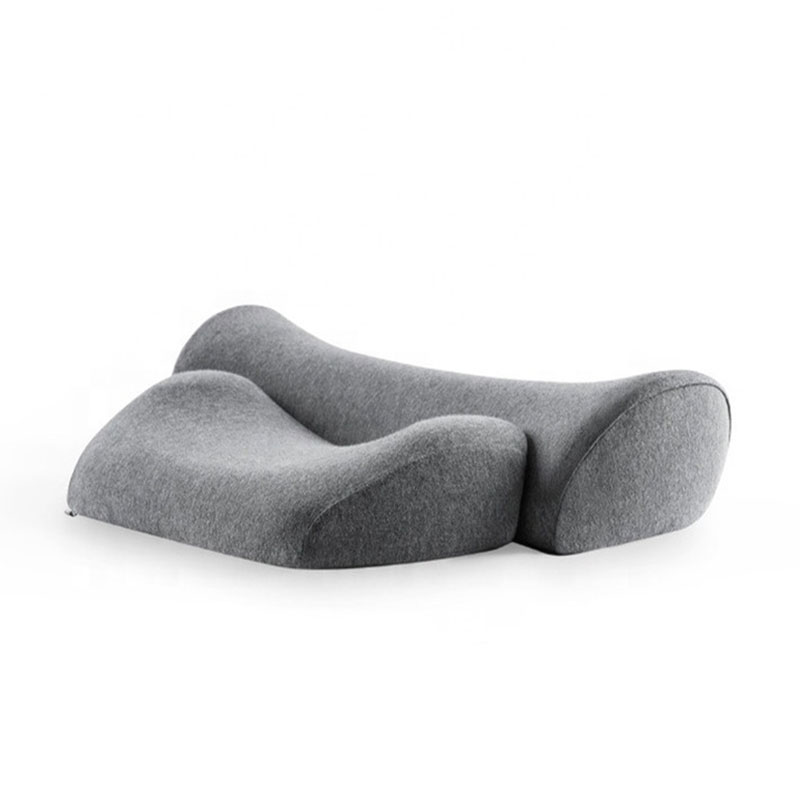
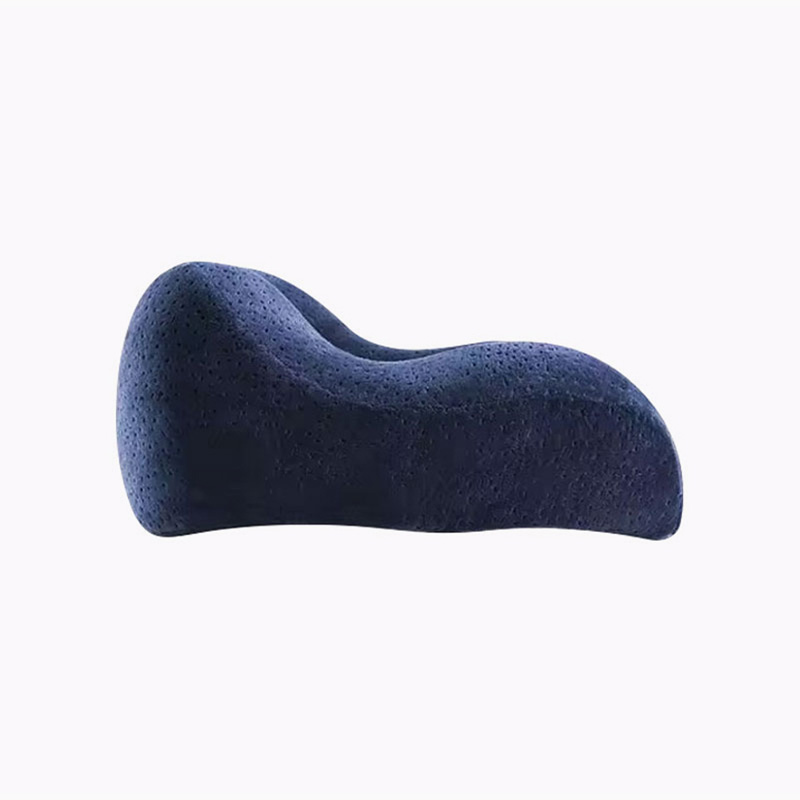
Back sleepers need to maintain the natural S-curve of the cervical spine. An 8-11 cm height is usually best. The ideal state is for the memory foam pillows to fill the neck hollow while allowing the back of the head to sink slightly. Wave-shaped (Contour) memory foam pillows are excellent for back sleepers, as the higher part supports the neck and the lower part cradles the skull.
Stomach Sleepers: Low Loft and High Softness
Physical therapists generally discourage stomach sleeping because it forces the neck to rotate 90 degrees. Stomach sleepers need very thin (under 7 cm) memory foam pillows. A pillow that is too high will cause excessive pressure on the lumbar spine. Shredded memory foam pillows perform better here as users can manually move the filling to create a breathing groove for the face.
Evolution and Innovation: Comparing Different Types of Memory Foam Pillows
Solid Molded vs. Shredded
Solid Molded: Made from a single block of polyurethane. These memory foam pillows provide the most stable support and the strongest memory effect. They are the first choice for addressing pathological issues like a straight cervical curve.
Shredded: Filled with thousands of small memory foam scraps. This design breaks the structural constraints of traditional memory foam pillows, increasing breathability by over 50 percent and allowing for custom height adjustment.
Infused Modifications
Gel-Infused: Adding gel microbeads to the foam matrix increases the heat capacity of memory foam pillows, keeping the surface cooler for longer. This is specifically designed for people who struggle with overheating during the night.
Graphite/Charcoal Infused: Graphite has high thermal conductivity to move heat away from the body, while charcoal has porous adsorption properties for moisture and odor control, keeping memory foam pillows fresh.
Core Performance Comparison Table
| Structure Type | Support Stability | Breathability | Adjustability | Target Audience |
| Solid Standard | 10/10 | 4/10 | None | Neck pain patients |
| Shredded Adjustable | 7/10 | 9/10 | 10/10 | Mixed sleepers |
| Gel-Infused | 9/10 | 8/10 | None | Hot sleepers |
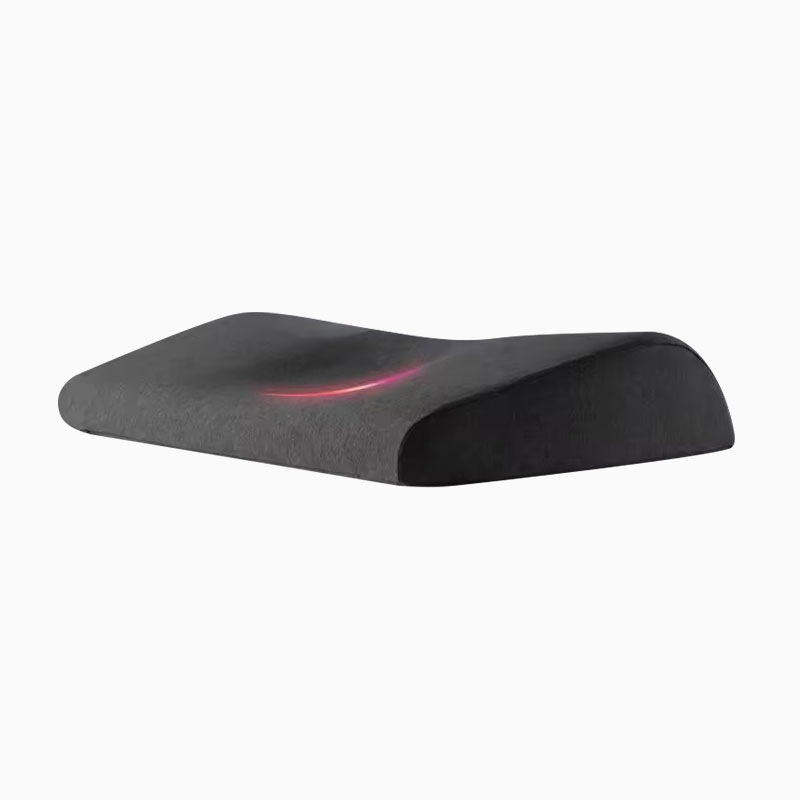
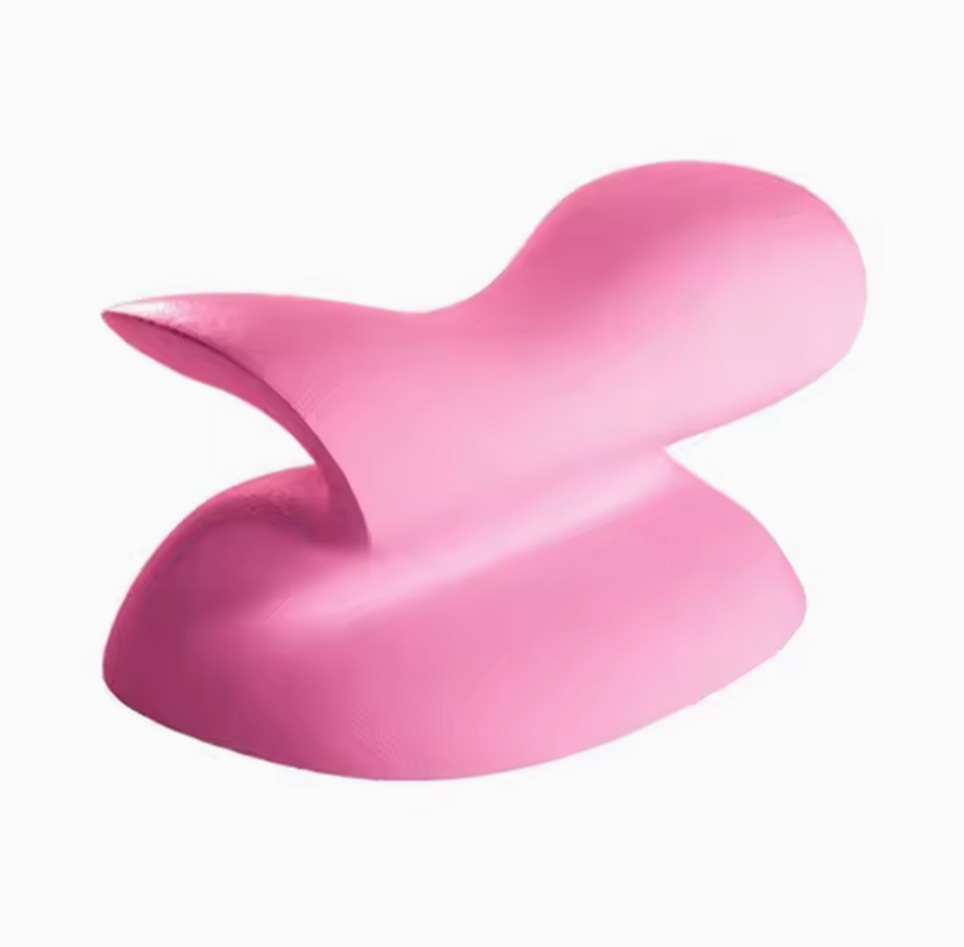
| Ergonomic Contour | 10/10 | 5/10 | Low | Chronic pain sufferers |
Maintenance and Longevity: Keeping Your Memory Foam Pillows in Top Shape
Absolute Forbidden: Washing and Spinning
Structural Destruction: Water enters the complex cellular structure of memory foam pillows. The mechanical force of a washing machine will tear the delicate molecular cross-links, causing the pillow to lose all rebound ability. Memory foam pillows should only be spot cleaned on the surface.
Mold Risk: Because it is so dense, once the interior is soaked, it is nearly impossible to dry completely within 48 hours, leading to mold growth in the center, which can pose respiratory risks.
Oxidation and UV Protection
It is normal for the core of memory foam pillows to turn yellow over time due to contact with air. However, never expose memory foam pillows to direct sunlight. UV rays trigger photo-oxidation, breaking the polymer chains and making the pillow brittle and crumbly, which significantly shortens its functional life.
Proper Cleaning Procedure
Pillowcase Maintenance: Wash the pillowcase weekly to prevent skin oils and sweat from penetrating the core. Using a pillow protector under the case can further extend the life of memory foam pillows.
Surface Cleaning: Every three months, use a vacuum cleaner on a low-power setting to remove dander and dust from the surface. Every two weeks, place the pillow in a cool, ventilated indoor environment for several hours to allow air convection to remove accumulated moisture.
Replacement Signals
Rebound Failure: If the memory foam pillows do not recover within 3 seconds after a fold test, the material has fatigued. Similarly, when a visible head-shaped depression remains even without pressure, or if odors persist even after ventilation, it usually means memory foam pillows have reached the end of their useful life, typically 3 to 5 years.
FAQ
Can children use memory foam pillows?
Infants under 2 years old should never use any pillow. For school-aged children, choose low-density, ultra-thin memory foam pillows specifically designed for their body size to prevent suffocation risks and ensure proper spinal development.
What if the memory foam pillows get hard in winter?
This is a physical property, not a quality issue. When the temperature is below 15 degrees Celsius, molecular activity drops. Simply keep the room above 20 degrees Celsius or press the pillow with your hands for a few minutes to activate the viscoelastic molecules using body heat before lying down.
Is a chemical smell in a new pillow normal?
Yes, this is off-gassing. High-quality memory foam pillows may have a residual polyol smell. Place it in a ventilated area for 24-48 hours before use. If the smell remains pungent after two weeks, it may be a low-end, substandard product using inferior chemicals.
Can memory foam pillows really improve snoring?
They can significantly improve mild snoring caused by poor posture by preventing the head from sinking too deep and compressing throat tissues. However, for clinical obstructive sleep apnea, memory foam pillows are only an auxiliary tool and should not replace medical devices like CPAP machines.
Why did my pillow turn yellow?
This is a normal oxidation reaction of polyurethane when exposed to oxygen and light. It is purely cosmetic and usually does not affect the support performance of memory foam pillows unless the material also begins to crumble.
Are these pillows friendly to allergy sufferers?
Very much so. The dense structure of memory foam pillows limits the living space for dust mites and microorganisms. They significantly reduce the frequency of nighttime allergic reactions compared to pillows filled with feathers or fibers.
Do memory foam pillows soften over time?
Yes. Over years of use, the polymer chains experience mechanical fatigue. High-quality memory foam pillows should have less than a 10 percent change in hardness within the first 3 years of regular use.
How do I remove stains from memory foam pillows?
Never soak them. Use a damp cloth with a small amount of diluted neutral detergent, wipe gently in circles, then immediately blot dry with a dry towel and use a fan or hair dryer on a cool setting to accelerate drying.
Which is more durable, solid or shredded memory foam?
Solid memory foam pillows are generally more durable because they are a single cohesive unit. Shredded foam experiences more friction and displacement between pieces, which can lead to slightly faster rebound decay over time.
Can I travel with memory foam pillows?
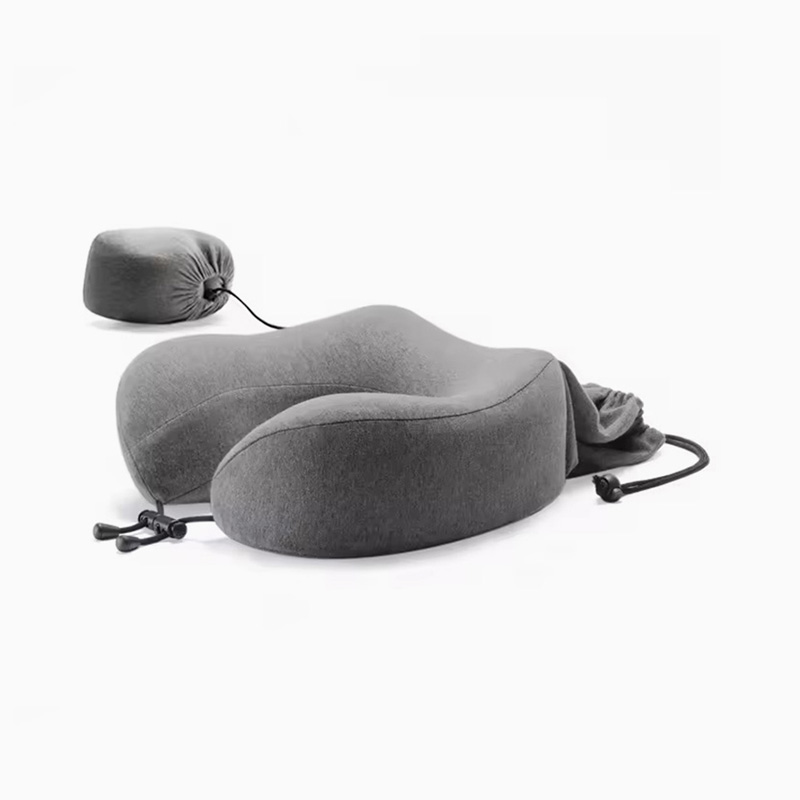
Many memory foam pillows can be compressed into travel bags. While short-term compression is fine, do not store them in a compressed state for weeks at a time, as this can lead to permanent plastic deformation and loss of the memory effect.
 previous post