 English
 عربى
عربىA
Desk or Office Chair
The cushion should fit between the lower back and the chair without reducing usable seat depth excessively. Adjustable straps can help maintain the selected height.
Priority Position control
Ergonomic Seating and Cushion Selection Guide
A back cushion can influence how the upper body contacts a chair, sofa or vehicle seat. Its effectiveness depends on thickness, foam density, contour depth, placement height and the shape of the existing backrest. A cushion that feels comfortable on a deep sofa may not work correctly on an upright office chair, while a large cushion designed for high back patio chair cushions may be unsuitable for concentrated lumbar support.
Support structure
Sofa applications
Lumbar selection
Foam construction
Care and refilling
Material Response
A Memory Foam Back Cushion is designed to compress gradually under body pressure and recover after the load is removed. The foam does not create active movement or mechanical adjustment. It forms a larger contact surface between the user and the backrest, helping reduce concentrated pressure caused by hard edges, gaps or uneven upholstery.
The cushion should not be selected only by softness. Very soft foam may collapse until the user contacts the original chair back. Very firm foam may hold its shape but create excessive forward pressure. A balanced design combines an appropriate foam density with enough thickness to fill the seating gap without changing the sitting position too dramatically.
Application Differences
Seat depth, backrest angle and upholstery condition determine how a cushion performs. A product intended for an upright chair normally uses a more concentrated contour. Cushions used on sofas and outdoor chairs usually cover a larger area and may need stronger resistance to long-term compression.
The cushion should fit between the lower back and the chair without reducing usable seat depth excessively. Adjustable straps can help maintain the selected height.
Couch back cushions usually require a wider profile because sofa seating is deeper and more relaxed. The cushion should restore support without making the sofa feel shallow.
Sofa back cushions may use solid memory foam, layered foam or shredded foam. The correct choice depends on whether the goal is firm posture support or a softer upholstered appearance.
High back patio chair cushions need sufficient length to cover the backrest. Outdoor use also requires attention to removable covers, drying speed and resistance to repeated environmental exposure.
A vehicle cushion should remain stable during entry, exit and normal driving movement. Thickness should be controlled so that the user’s distance from the steering wheel and head restraint is not changed excessively.
Placing a pillow behind the back can improve comfort when the original seat leaves an unsupported gap. The result depends on where the pillow is placed. A cushion positioned too high may press against the middle back while leaving the lower region unsupported. A cushion placed too low may tilt the pelvis or push the body toward the front edge of the seat.
The user should remain able to sit fully against the chair with the feet supported and the shoulders relaxed. A back cushion should fill space rather than force the spine into an exaggerated curve. Individuals with persistent pain, numbness or radiating discomfort should obtain professional medical assessment instead of relying on a cushion as a treatment.
Broad cushions may support the shoulder-blade region on deep sofas and lounge seating.
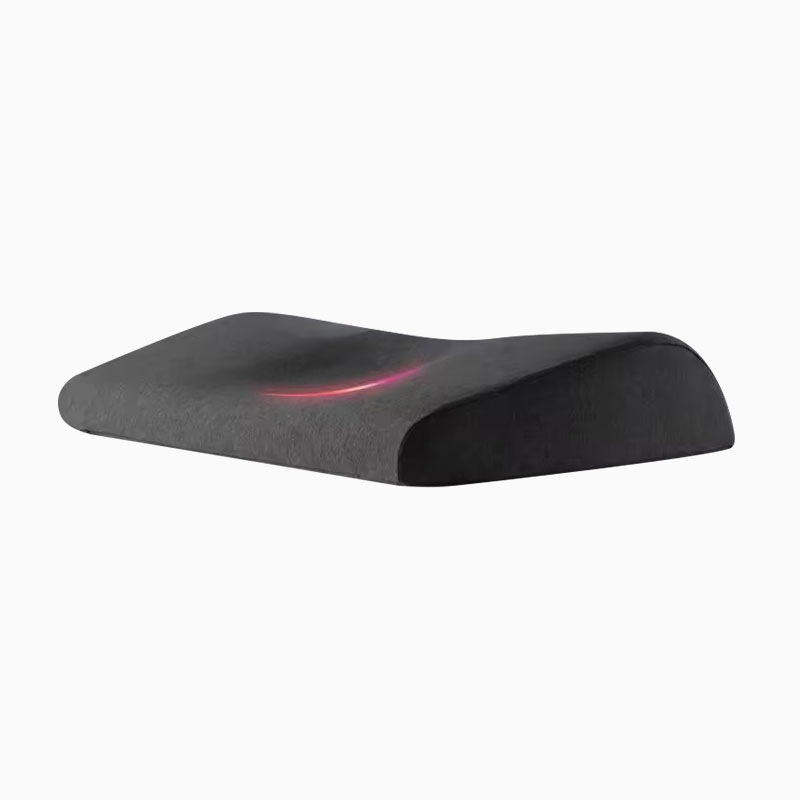
A contoured Memory Foam Back Cushion commonly focuses on the gap between the lower back and the chair.
Excessive lower placement can change pelvic position and reduce available seat depth.
Selection Laboratory
There is no single cushion that is appropriate for every user or every cause of discomfort. Product selection should focus on support location, seat geometry and pressure preference. A cushion may improve seating comfort, but it should not be presented as a replacement for diagnosis or medical care.
Uses a defined central curve that fills the lower-back gap. It is commonly selected for upright office chairs and vehicle seats.
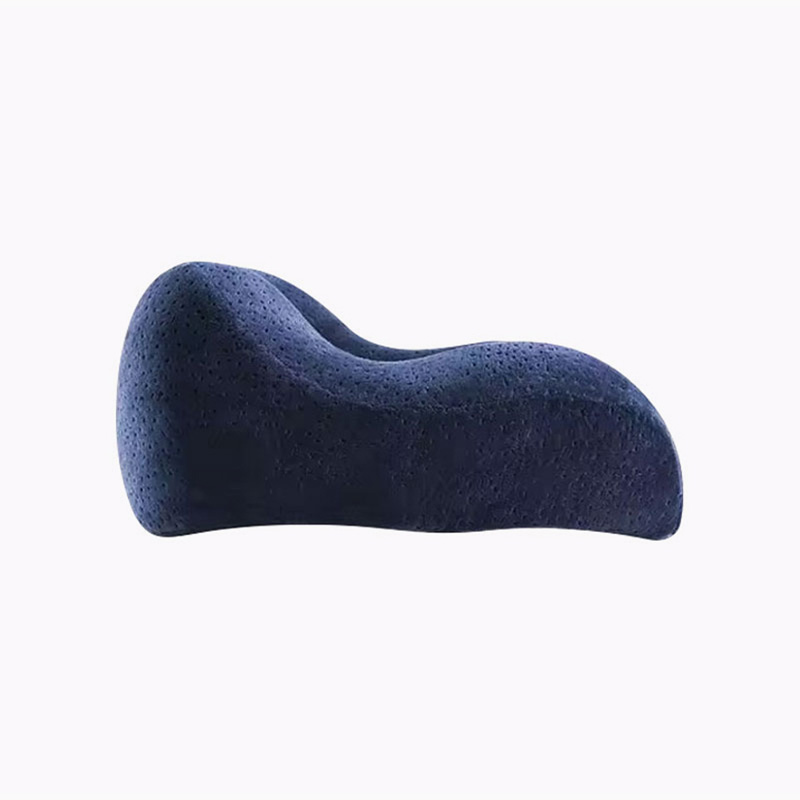
Provides a broader contact surface with less pronounced curvature. It can be used where the chair already has a shaped backrest.
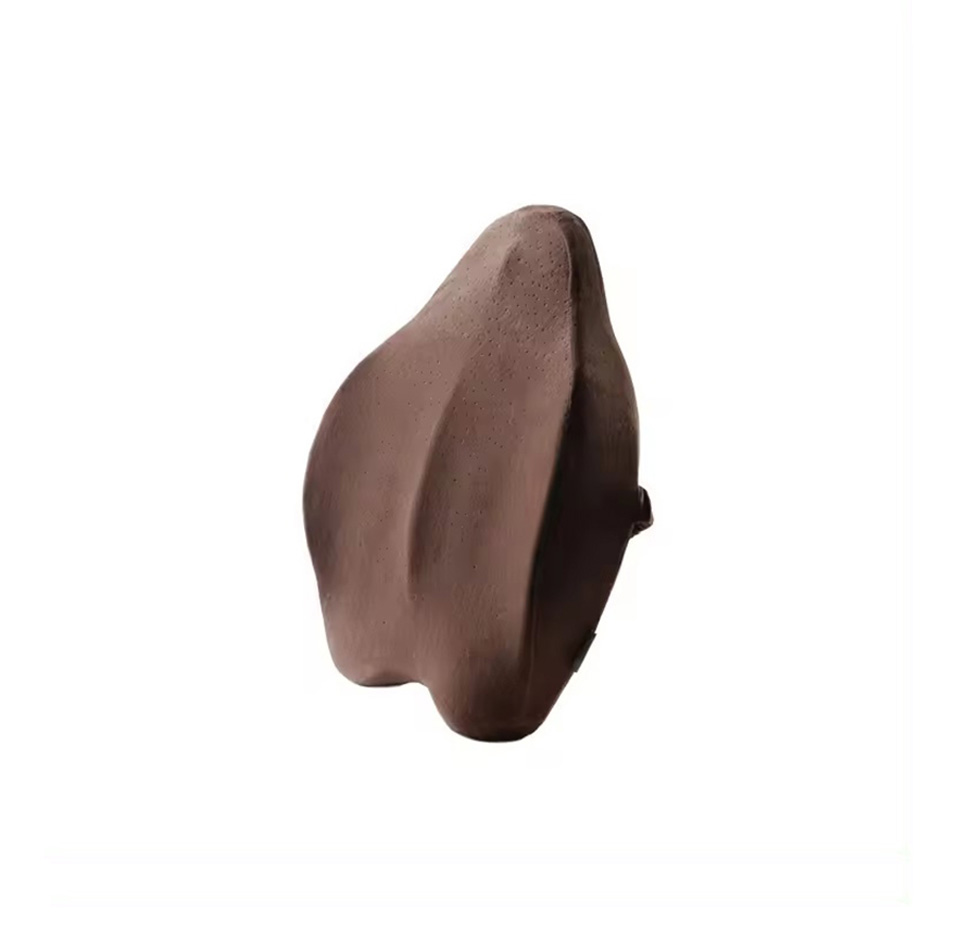
Covers a larger portion of the backrest and is often used for sofas, lounge chairs and high back patio chair cushions.
Uses loose foam pieces inside an inner liner. Fill can sometimes be added or removed to change thickness and shape.
Specification Comparison
| Cushion Type | Support Area | Typical Seat | Adjustment Level | Primary Selection Point |
|---|---|---|---|---|
| Contoured solid foam | Lower back | Office chair or vehicle seat | Low | Contour height |
| Flat solid foam | Mid and lower back | Dining chair or shaped seat | Low | Thickness and firmness |
| Shredded foam insert | Broad back area | Sofa or couch | Medium to high | Fill quantity |
| Full-back cushion | Lower to upper back | Patio or lounge chair | Medium | Total dimensions |
| Layered foam cushion | Variable | Custom seating | Medium | Layer density combination |
Common Knowledge Question
Intervertebral discs are positioned between adjacent vertebral bodies and contribute to load distribution and movement within the spine. A seating cushion is an external comfort product and does not replace the natural function of these structures.
A Memory Foam Back Cushion should be described as a support and pressure-distribution product. It should not claim to repair discs, correct spinal disorders or treat nerve conditions. Accurate product information improves user expectations and helps customers select a cushion based on practical seating requirements.
Seat and Back Support Difference
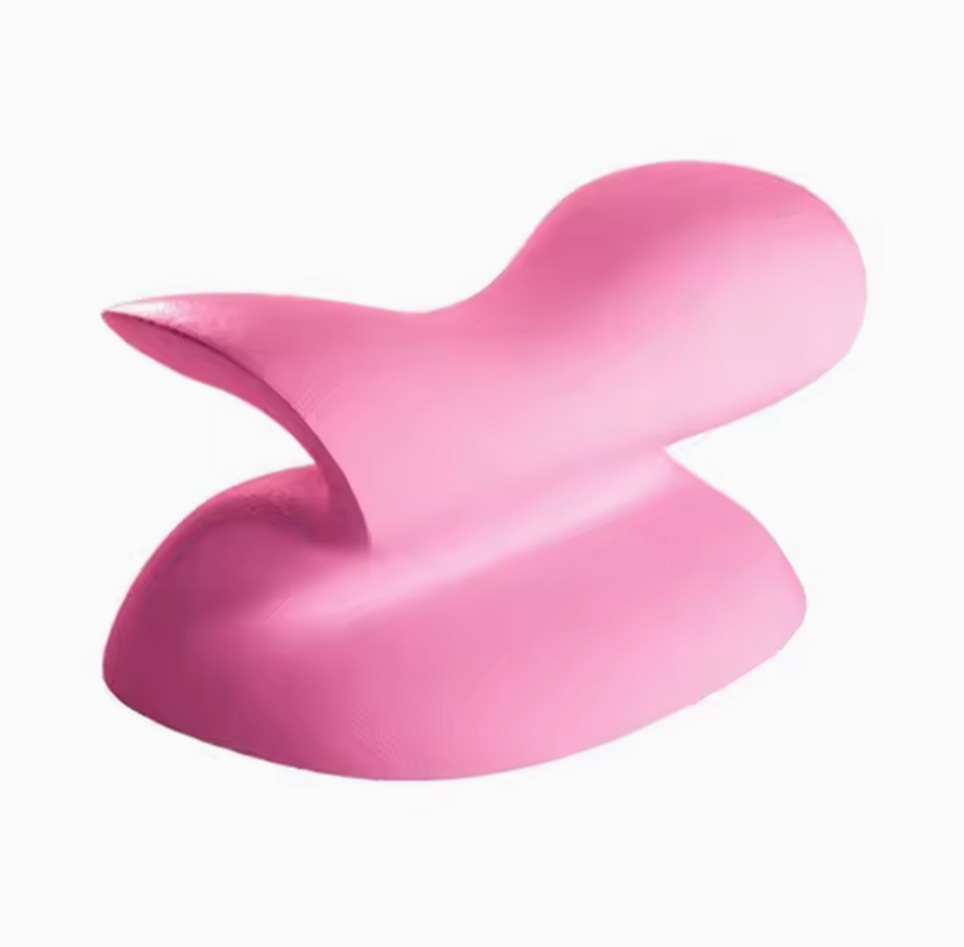
The phrase “cushion for the sciatic nerve” commonly refers to a seat cushion rather than a back cushion. Seat cushions may use a wedge profile, central channel or rear cutout to change pressure distribution under the pelvis and thighs. A back cushion has a different purpose: it fills the space between the back and the seat structure.
A user may combine a seat cushion with a Memory Foam Back Cushion, but the total effect on seat height, seat depth and body position should be considered. Adding both products can move the body upward and forward, which may affect foot support and armrest height.
Supports the pelvis, hips and upper thighs.
Supports the space between the torso and backrest.
Requires coordinated height and thickness selection.
Sofa Maintenance
Restuffing may improve cushions that have lost volume but still have usable covers and inner liners. The correct method depends on whether the existing cushion contains loose fiber, shredded foam, solid foam or a layered combination.
Open the outer cover and determine whether the internal material is compressed, torn, unevenly distributed or permanently deformed.
Measure width, height and depth without stretching the cover. Oversized inserts may distort seams and make the zipper difficult to close.
Shredded memory foam offers adjustable volume. Solid foam provides a defined profile. Fiber wrapping can soften the outer surface of a foam core.
Add material gradually and distribute it toward corners and low areas. Overfilling can create hard sections and place stress on cover seams.
Place the cushion in its normal position and check alignment with adjacent sofa back cushions before making final adjustments.
Cleaning and Storage
Manufacturing Considerations
Consistent cushion performance requires more than a visually attractive cover. Foam formulation, contour accuracy, dimensional tolerance, cover stretch and compression packaging all influence the final user experience.
Density influences weight, support stability and long-term shape retention. It should be selected according to the cushion thickness and intended seating environment.
Firmness determines how easily the surface compresses. Density and firmness are related but should not be treated as identical measurements.
Accurate cutting or molding helps keep the left and right sides symmetrical and maintains the intended curve across production batches.
Fabric elasticity, zipper quality and seam position affect whether the cover follows the foam without creating wrinkles or excessive compression.
Strap length, buckle strength and anti-slip surfaces should match the intended chair type and backrest width.
Compressed packaging reduces transport volume, but the cushion must recover within an appropriate period without permanent deformation.
Flat, contoured, winged, full-back and application-specific profiles.
Solid memory foam, layered foam, shredded foam and foam with fiber wrapping.
Breathable knitted fabric, woven fabric and removable zippered covers.
Single strap, double strap, elastic band and anti-slip backing.
Adjustable width, height, thickness and contour depth for different chairs.
Flat packaging, compressed packaging and individual retail-style cartons.
Frequently Asked Questions
Yes, but a compact lumbar cushion may feel too concentrated on a deep sofa. Wider couch back cushions or sofa back cushions are usually more suitable when broad support is required.
It should resist complete collapse while remaining comfortable. Excessively firm foam may create concentrated pressure, while very soft foam may provide insufficient support.
A cushion is intended to improve seating support and comfort. It should not be described as a cure for back pain, disc problems or nerve conditions.
Thickness should match the chair depth and the natural gap behind the user. A cushion that is too thick may push the torso forward and reduce usable seat space.
Memory foam can be used, but outdoor applications require careful cover selection, moisture management and complete drying after exposure to damp conditions.
There is no fixed schedule. Restuffing may be considered when the cushion no longer recovers, develops persistent low areas or no longer aligns with adjacent cushions.
This search phrase refers to a headphone ear pad rather than a seating back cushion. Headphone cushions normally attach through a mounting lip, retaining ring or adhesive system and require product-specific fitting instructions.
They can be combined when their total thickness does not create an unstable sitting position. Foot support, seat depth, armrest height and backrest contact should be checked after installation.
Copyright © 2023 Nantong Bulawo Home Textile Co,.Ltd. All Rights Reserved

 previous post