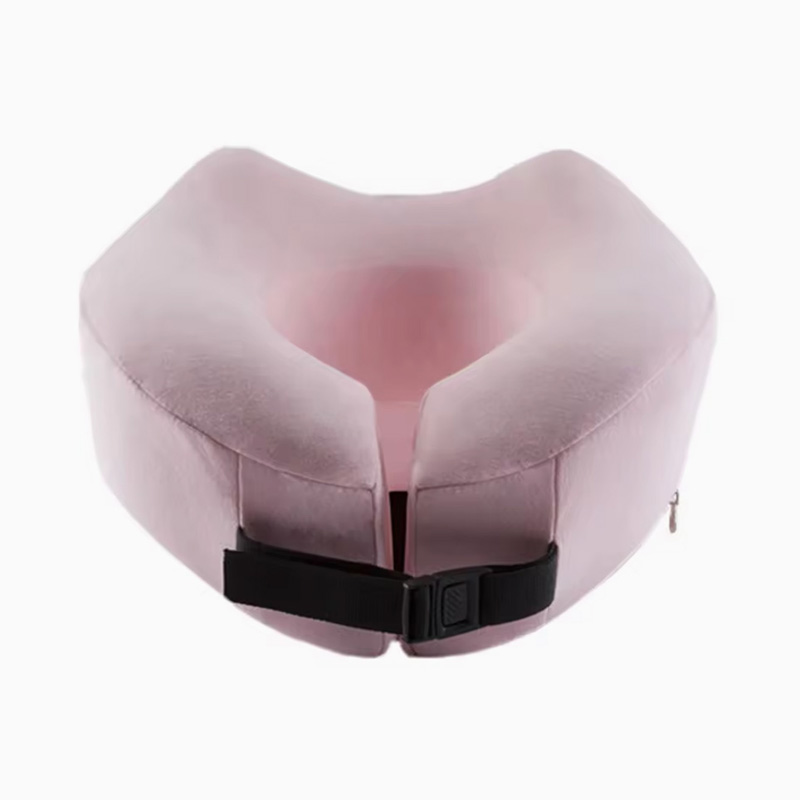
Traditional Memory Foam Pillow
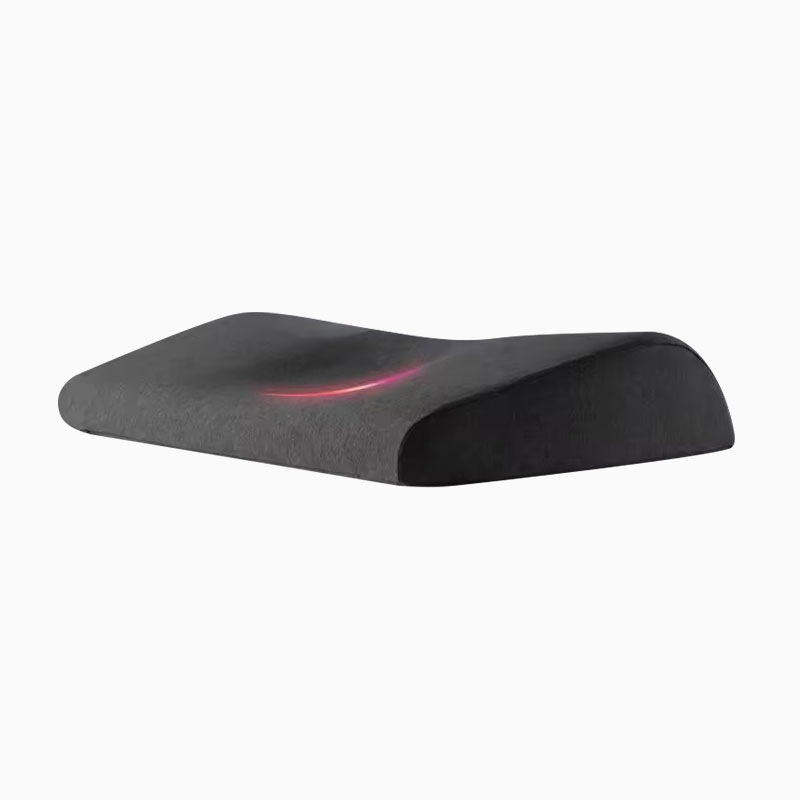
A rectangular memory foam pillow is suitable for general bedroom use. It may have a flat surface, a lightly curved profile or a perforated core.
Pillow Selection, Cleaning and Product Knowledge
A memory foam pillow is designed to respond gradually to body pressure, helping create a more stable contact surface for the head and neck. However, pillow height, foam density, contour design, ventilation and cleaning methods can significantly affect the actual user experience. This guide explains how memory foam pillows differ, how long they usually last, how they should be cleaned and which structure is more suitable for each sleeping or support requirement.
Key Selection Factors
What does memory foam do?
It adapts to pressure and helps distribute the weight of the head across a wider contact area.
Can the foam core be machine washed?
Most solid foam cores should not be placed in a washing machine or tumble dryer.
When should a pillow be replaced?
Replacement may be needed when permanent flattening, cracking or uneven support appears.
Material Performance
The core material used in a memory foam pillow is a pressure-responsive polyurethane foam that compresses gradually rather than bouncing back immediately. When the head rests on the pillow, the foam deforms around the main pressure zones and forms a supporting surface. After the pressure is removed, the material slowly returns toward its original shape.
The user experience depends on more than softness. Foam density, cell structure, core thickness, airflow channels and surface contour all influence support. Two memory foam pillows with similar dimensions may feel completely different when their internal density and firmness are not the same.
The slow-compression response spreads contact pressure across the back of the head, neck and surrounding areas instead of concentrating it in one small position.
The foam gradually follows the user’s profile. This can reduce empty space between the neck and the sleeping surface when the pillow height is correctly selected.
Memory foam usually produces less bouncing than spring-like materials, helping the pillow remain relatively stable when the user changes position.
Solid foam can be shaped into traditional, contour, cervical, body and wedge designs for different sleeping and positioning requirements.
Product Categories
Memory foam pillows are not limited to one shape. Product structure should be selected according to where support is needed, how the user sleeps and whether the pillow is used for nighttime sleep, reading, travel or body positioning.
A rectangular memory foam pillow is suitable for general bedroom use. It may have a flat surface, a lightly curved profile or a perforated core.
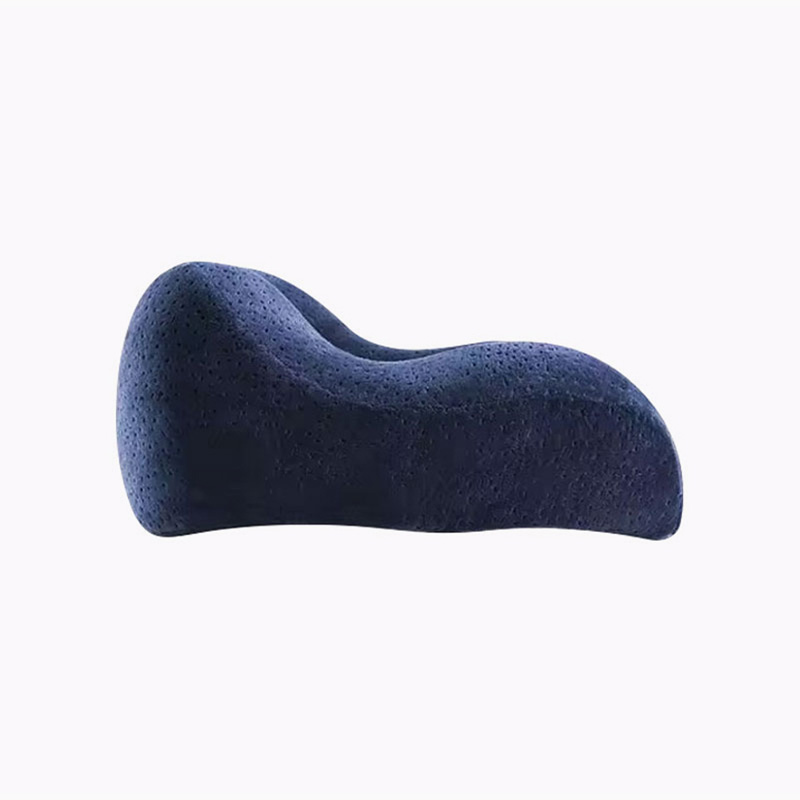
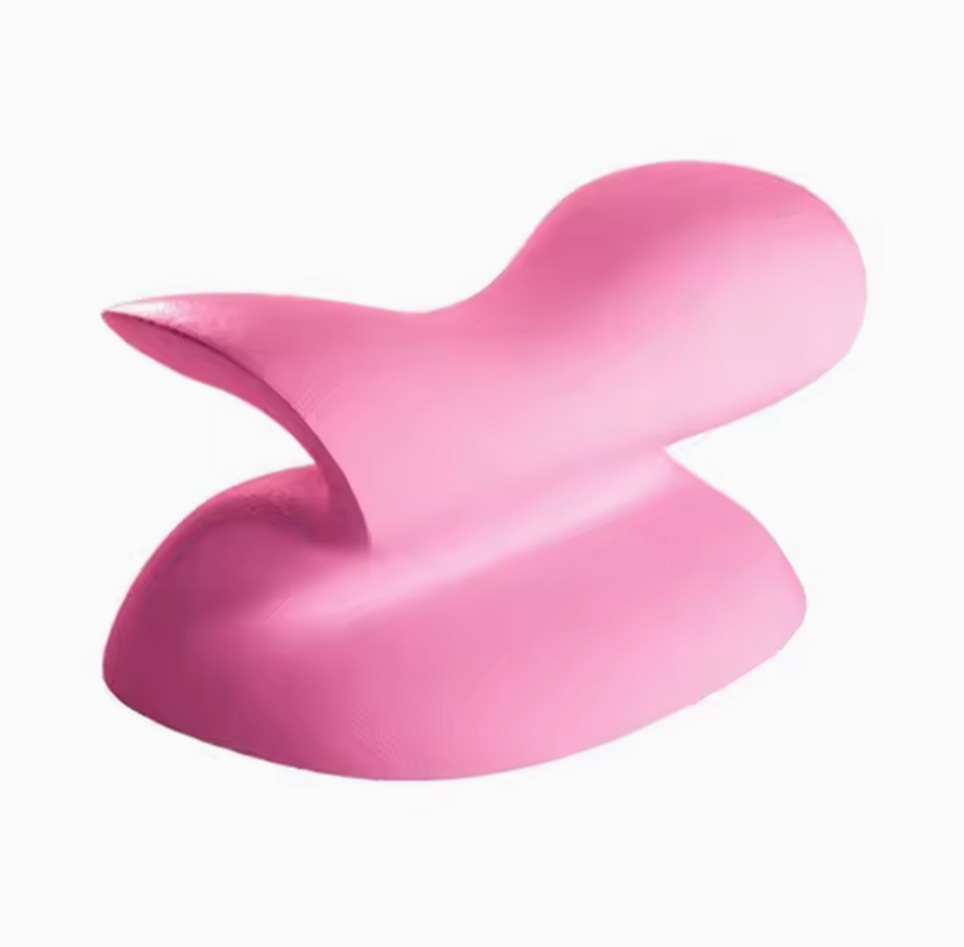
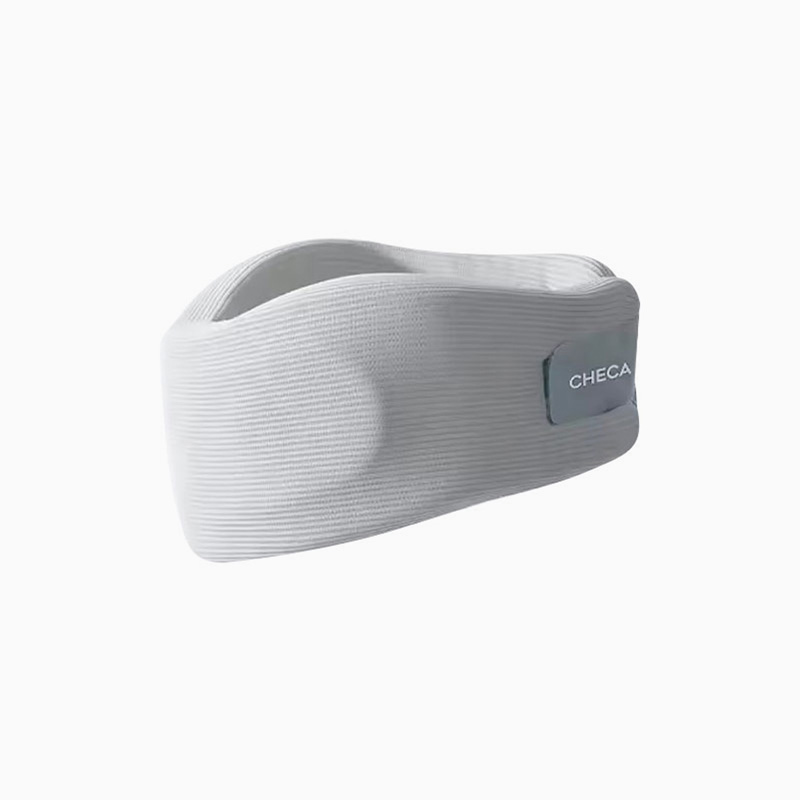
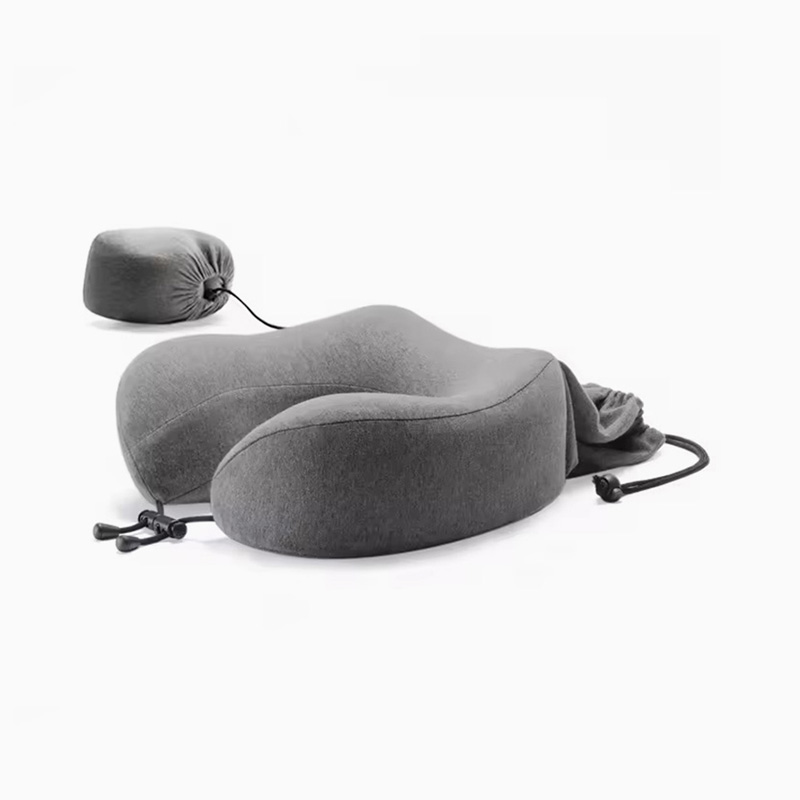
A memory foam neck pillow commonly uses a wave-shaped profile, raised neck support or a central head recess to guide positioning.
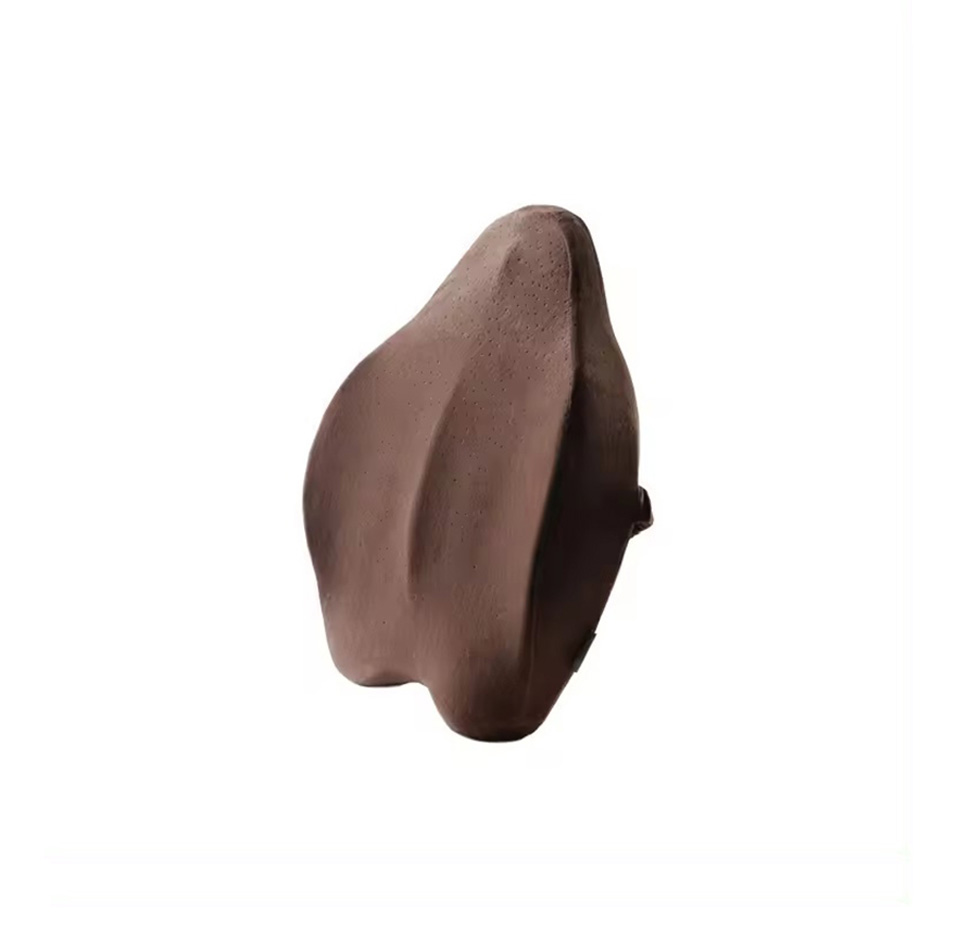
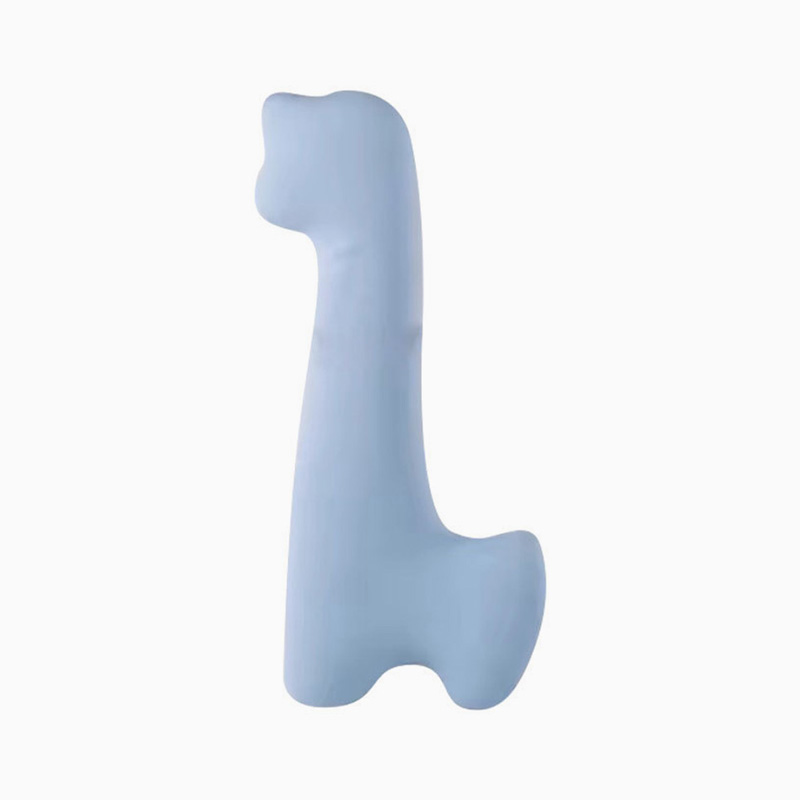
A memory foam body pillow provides a larger support area for the legs, knees, shoulders, waist or full body while side sleeping.
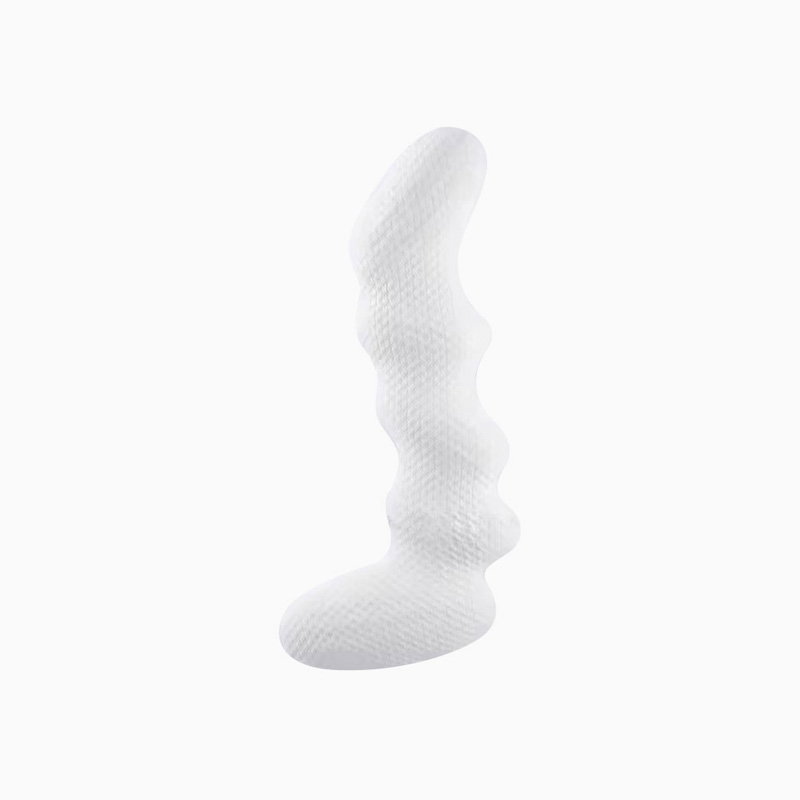
A memory foam wedge pillow uses a fixed inclined shape for raising the upper body, supporting the back or elevating the legs.
Product Comparison
| Pillow Structure | Main Support Area | Common Application | Selection Priority |
|---|---|---|---|
| Flat solid foam | Head and upper neck | General daily sleeping | Height, density and ventilation |
| Contoured foam | Neck curve and head | Back and side sleeping | High-side and low-side dimensions |
| Shredded foam | Adjustable head and neck area | Users requiring height adjustment | Fill volume and inner liner quality |
| Long body shape | Shoulders, waist, knees and legs | Side sleeping and body positioning | Length and long-term compression resistance |
| Wedge profile | Upper body, back or legs | Inclined support and resting | Slope angle and support length |
Buying Decisions
The question “How to choose a memory foam pillow” should be answered by matching the pillow to the user rather than selecting only by appearance. The correct pillow should fill the natural space between the head, neck and mattress without forcing the neck upward or allowing it to collapse downward.
Side sleepers generally need more height because the pillow must fill the distance created by the shoulder. Back sleepers usually require a medium or lower profile. Stomach sleepers commonly need a thin and softer structure to limit excessive neck extension.
A soft mattress allows the shoulder and upper body to sink further, which may reduce the pillow height required. A firm mattress produces less body sink and may require a higher pillow for side sleeping.
Lower-density foam is usually lighter and faster to recover. Medium-density foam provides a balance between support and comfort. Higher-density foam may feel more stable but can retain more warmth.
Perforated foam, grooved airflow channels, open-cell structures and breathable covers can improve air movement around the pillow surface. These features are especially relevant for warm sleeping environments.
Practical Height Guide
Performance Questions
“What are the benefits of a memory foam pillow” is a common question from users comparing foam with conventional filled pillows. The main benefits are connected to pressure response, shape stability and the ability to manufacture the foam into controlled support profiles.
Solid foam does not move inside the cover in the same way as loose fibers. This helps reduce internal bunching and uneven filling.
The foam compresses according to the applied load, producing a larger contact area around the head and neck.
Foam cutting and molding allow the production of cervical curves, central recesses, side-sleeping zones, wedge profiles and body-support shapes.
The slower rebound characteristic can reduce sudden surface movement and help the pillow remain stable during normal sleep position changes.
A memory foam pillow cannot provide appropriate support when the height or firmness does not match the user. A pillow that is too high may push the head forward during back sleeping. A pillow that is too low may allow the head to tilt downward during side sleeping.
Cleaning Instructions
The answer to “can you wash memory foam pillows” depends on which part of the pillow is being cleaned. A removable outer cover can often be washed according to its care label. The solid memory foam core usually requires a different method because machine agitation, strong twisting and high-temperature drying may damage the internal foam cells.
Step-by-Step Care
For users searching “how to clean memory foam pillow,” the safest routine is usually dry cleaning of particles combined with limited spot cleaning. Keeping the foam from becoming fully saturated reduces drying time and lowers the risk of trapped internal moisture.
Take off the pillowcase and removable protective cover. Follow the washing instructions provided for the textile layer.
Use a low-suction vacuum attachment to remove hair, dust and loose particles. Avoid pulling strongly against the foam surface.
Mix a small amount of mild detergent with water. Apply the solution using a clean cloth and press gently rather than rubbing aggressively.
Use another slightly damp cloth to lift away the remaining detergent. Keep the amount of water controlled.
Press the area with a dry towel and place the foam in a well-ventilated indoor location. Turn it periodically until no internal moisture remains.
Deep Cleaning
Users asking “how to wash memory foam pillow” should first check the product care label. Full-core washing is not suitable for every foam formulation. When the manufacturer permits gentle hand cleaning, the foam should be handled without folding, twisting or aggressive compression.
Use cool or lukewarm water with a small amount of mild detergent.
Press the foam gently and avoid scrubbing the surface or bending the core.
Use clean water and controlled pressing until detergent residue is removed.
Place the pillow between dry towels and press without wringing.
Dry flat in shade with airflow on multiple sides until the center is fully dry.
A damp foam core should never be placed immediately inside a cover. Moisture trapped within the pillow may produce odor and affect the internal material condition.
Service Life
“How long does a memory foam pillow last” cannot be answered with one exact number because product life is affected by foam density, user weight, sleeping habits, environmental humidity, cleaning frequency and storage conditions. A well-maintained memory foam pillow may commonly remain usable for approximately two to four years, but the actual replacement point should be based on support condition rather than age alone.
Higher-density foam often provides stronger structural stability, while low-density foam may soften and flatten more quickly under repeated pressure.
Repeated loading in the same area may gradually reduce recovery, especially in neck contours and the center of the pillow.
Long-term exposure to heat, moisture and insufficient ventilation can accelerate material deterioration.
Frequent soaking, machine washing, twisting and high-temperature drying can shorten the usable life of the foam.
Permanent central indentation
Uneven firmness across the surface
Visible cracking or foam particles
Slow or incomplete shape recovery
Persistent odor after ventilation
Loss of the original support height
Daily Maintenance
“How to care for a memory foam pillow” involves protecting the foam from sweat, moisture, excessive heat and unnecessary compression. Daily care does not require frequent washing of the core. A protective cover, regular ventilation and correct storage are usually more effective for maintaining the pillow.
A washable outer layer limits direct contact between the foam and skin oils, perspiration, dust and hair products.
Remove the pillowcase periodically and place the pillow in a shaded, dry area with sufficient air movement.
Do not store the pillow under heavy items or keep it tightly compressed in a small bag for extended periods.
Radiators, high-temperature dryers and prolonged direct sunlight may affect foam flexibility and surface condition.
A memory foam wedge pillow should rest on a flat base. A memory foam body pillow should not be stored tightly folded.
Check whether the pillow gradually returns after pressure is removed and whether any permanent low areas have formed.
Product Construction
For a manufacturer, stable product performance begins with controlled material selection and repeatable processing. Pillow appearance alone does not indicate internal quality. Foam formulation, molding accuracy, cutting tolerance, odor control, cover stitching and packaging recovery all affect the finished product.
| Manufacturing Detail | Why It Matters | What Should Be Evaluated |
|---|---|---|
| Foam formulation | Controls firmness, recovery speed and pressure response | Batch consistency and target performance range |
| Core molding or cutting | Determines contour accuracy and dimensional stability | Height tolerance, symmetry and edge quality |
| Ventilation design | Supports airflow and moisture release | Hole position, channel depth and structural strength |
| Outer cover construction | Affects surface feel, durability and care convenience | Fabric weight, zipper quality and seam strength |
| Compression packaging | Influences transport volume and shape recovery | Recovery time, permanent deformation and packaging protection |
Product Development Options
Traditional, contour, cervical, body, wedge or application-specific shapes.
Soft, medium and firm response levels for different user preferences.
Perforations, airflow grooves and open-cell foam structures.
Knitted, cooling-touch, breathable or removable washable covers.
Adjustable length, width, height and contour dimensions.
Flat packaging, compressed rolling or individually boxed presentation.
Frequently Asked Questions
Most solid memory foam pillows should not be machine washed. The agitation and spin cycle may tear the foam, while retained water can make complete drying difficult. Wash the removable cover separately and use spot cleaning for the core unless the care instructions specifically permit another method.
Remove dry particles with a low-suction vacuum, apply diluted mild detergent to the stained area with a clean cloth, remove residue with a slightly damp cloth and air-dry the foam completely.
It can be suitable when the raised contour fills the space between the shoulder and neck without pushing the head upward. Shoulder width and mattress firmness should be considered when selecting the contour height.
A memory foam body pillow can support the knees, legs, waist, shoulders or full body during side sleeping. Length, thickness and long-term compression resistance are important selection factors.
A memory foam wedge pillow provides an inclined surface for upper-body support, back support, reading or leg elevation. The slope should support a broad body area rather than placing all pressure under the head.
Memory foam can become firmer when the surrounding temperature is low. As the material warms through room temperature and body contact, it usually becomes more responsive and flexible.