
 English
 عربى
عربى
Product Categories
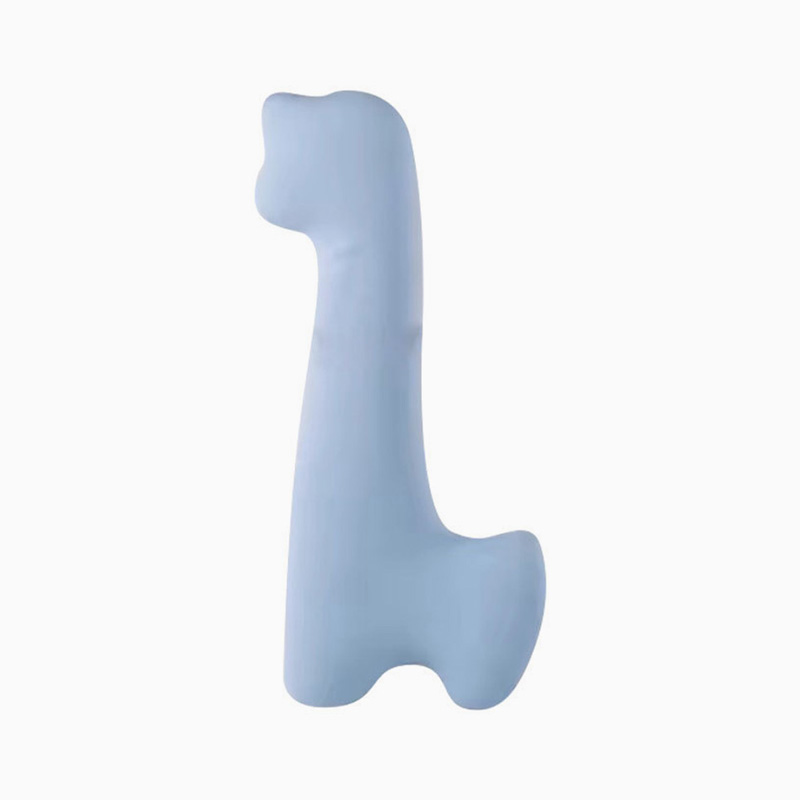
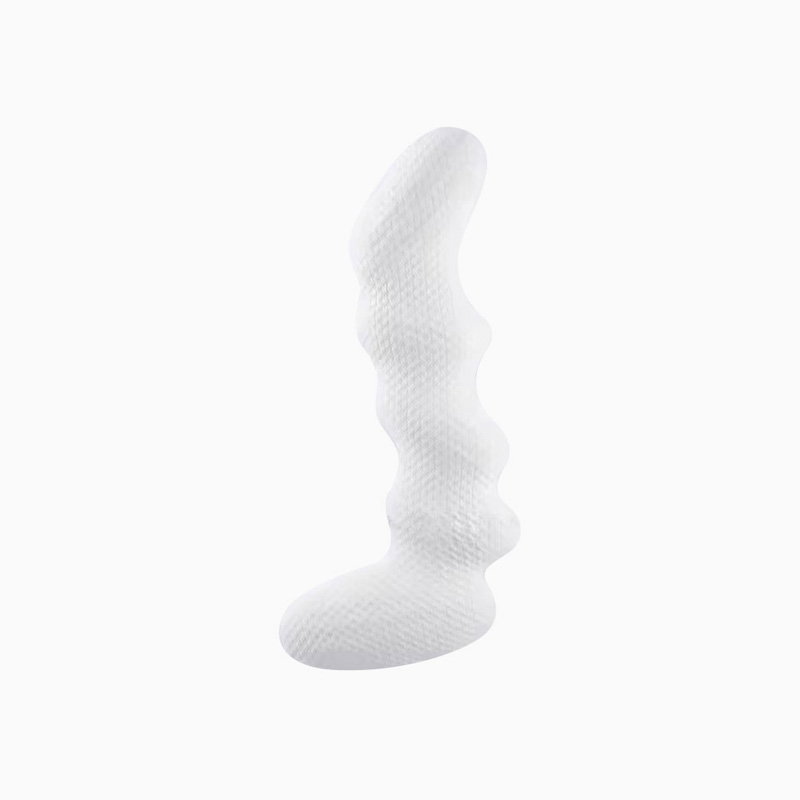
Memory Foam Back Cushion Manufacturers
-
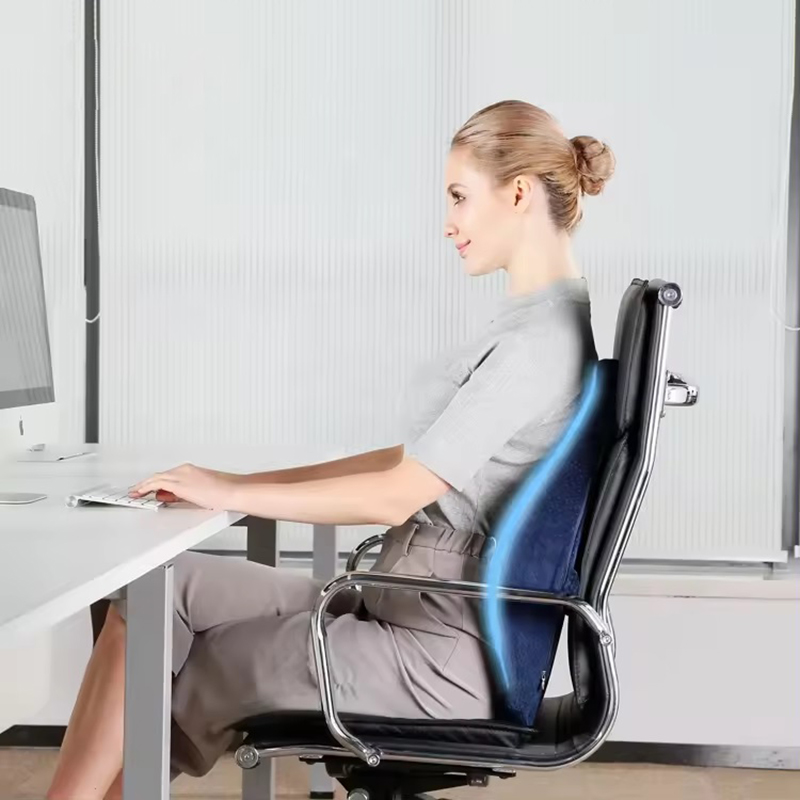
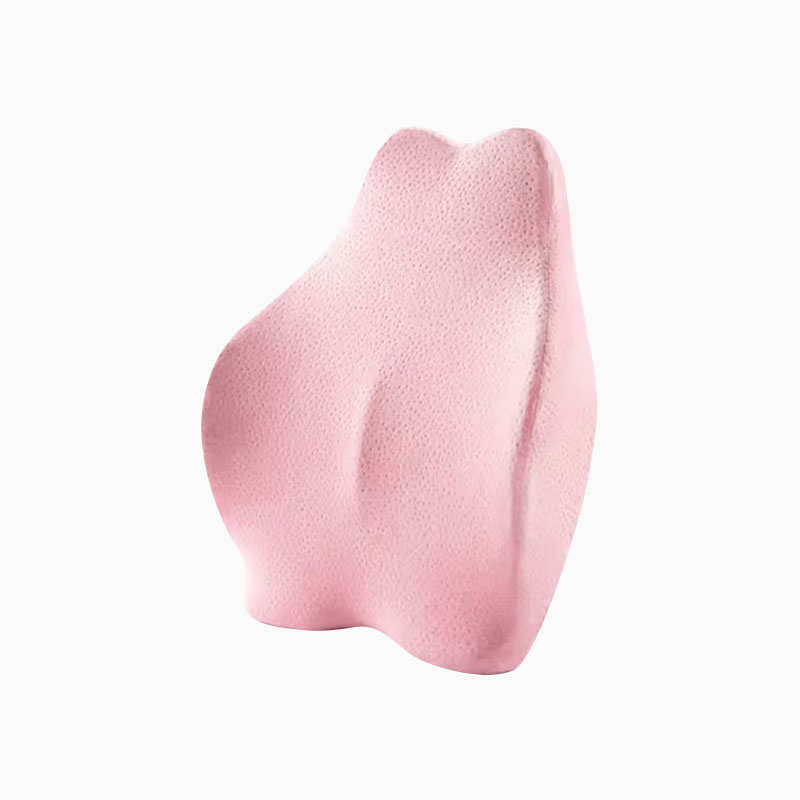
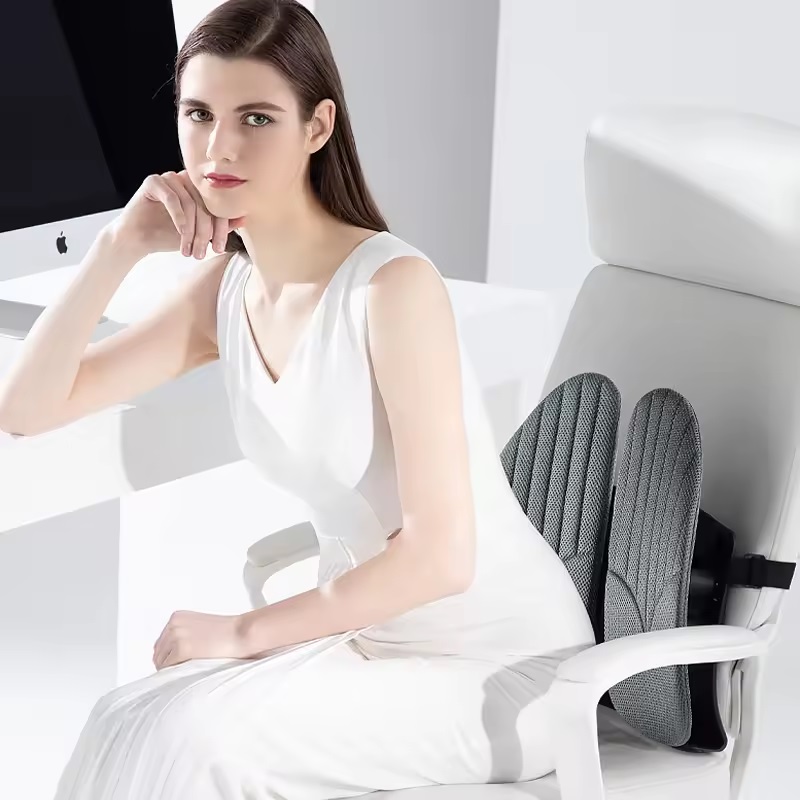
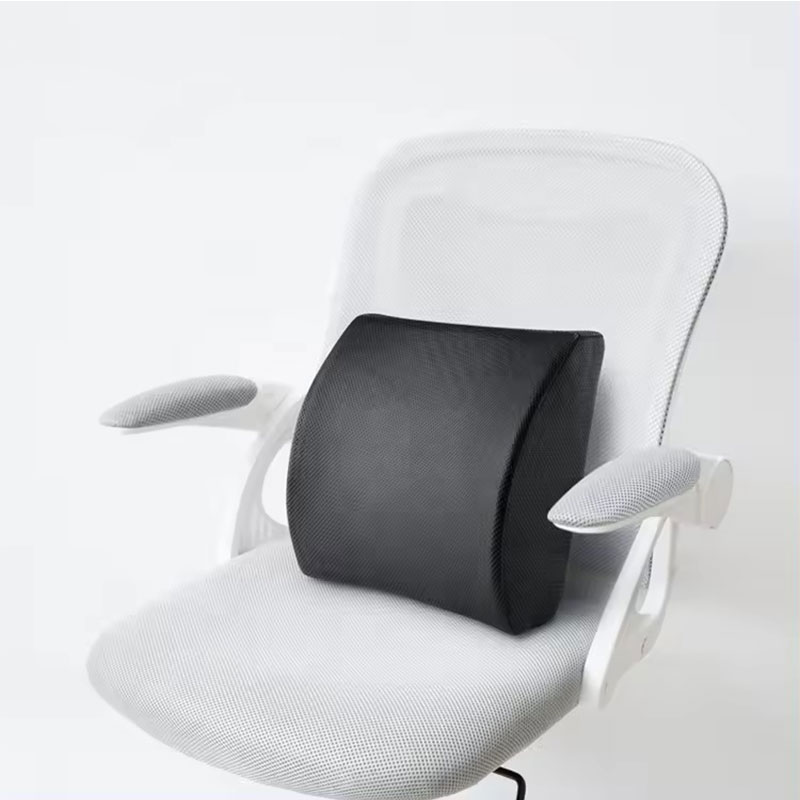
Office Back Massage Support Chair CushionProduct AdvantagesHigh-quality filling materials: Bamboo charcoal memory foam and space memory foam ...
-
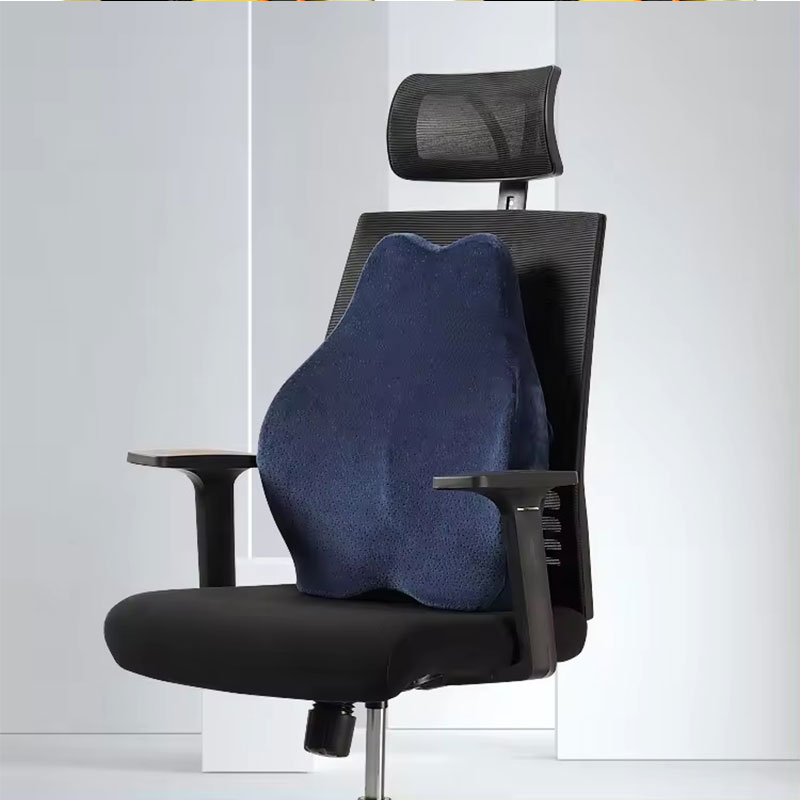
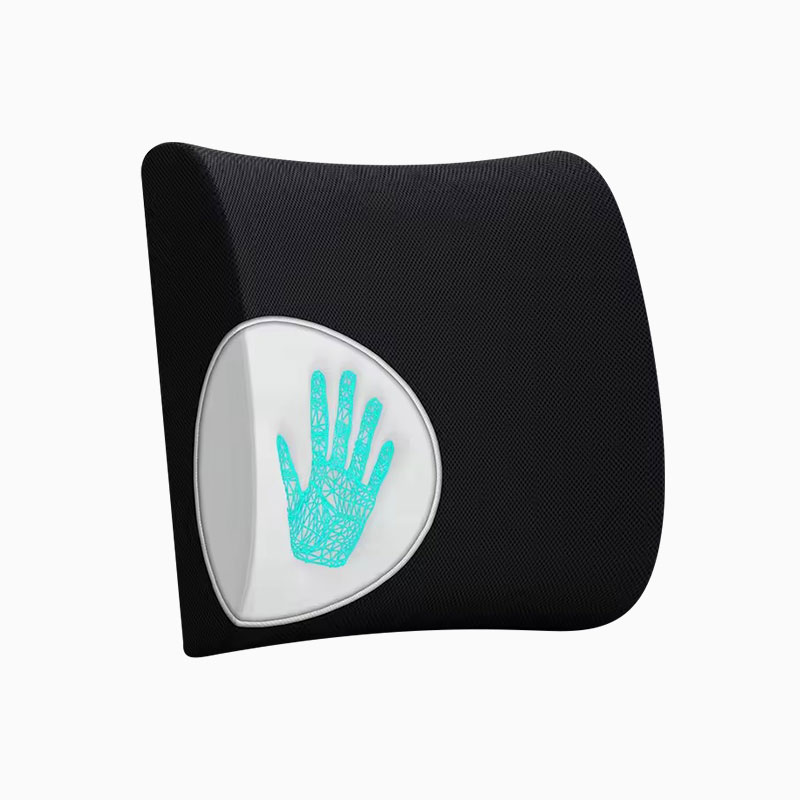
Comfortable Lower Back Lumbar Back Support CushionProduct Features:High-quality filling materials: This product uses bamboo charcoal cotton and space ...
-
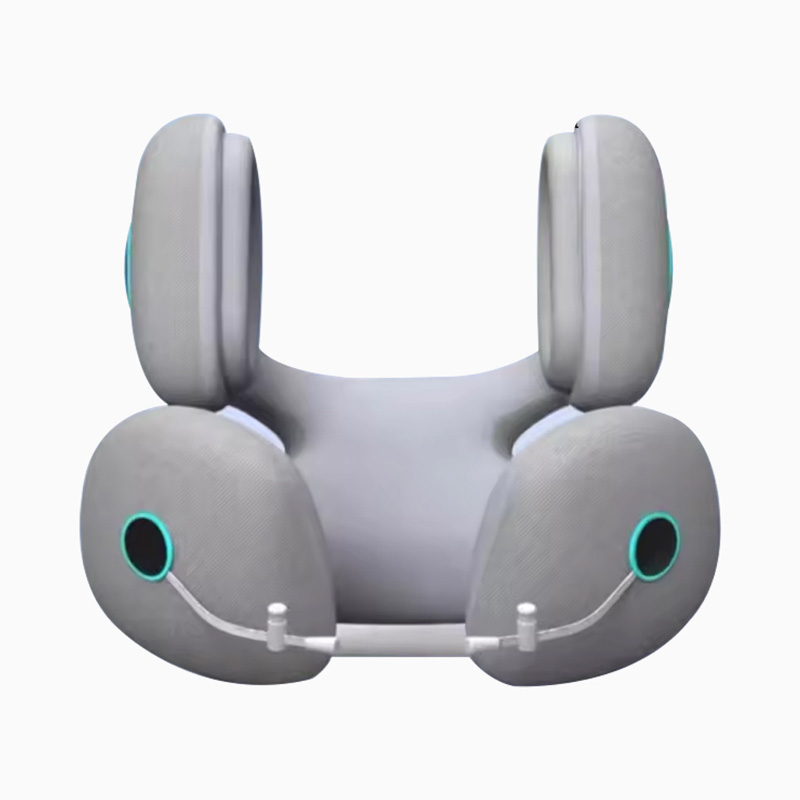
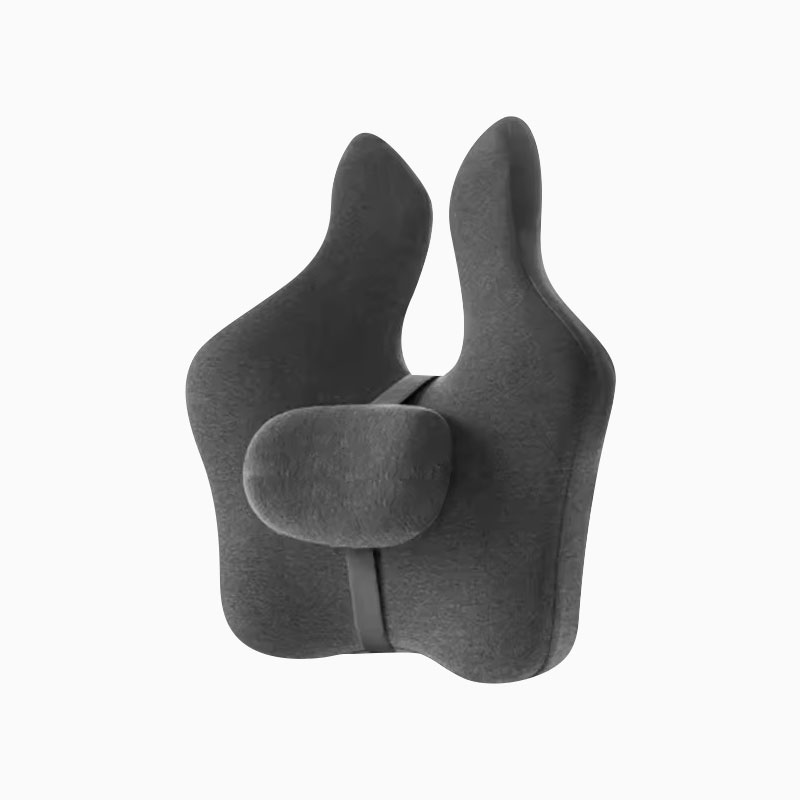
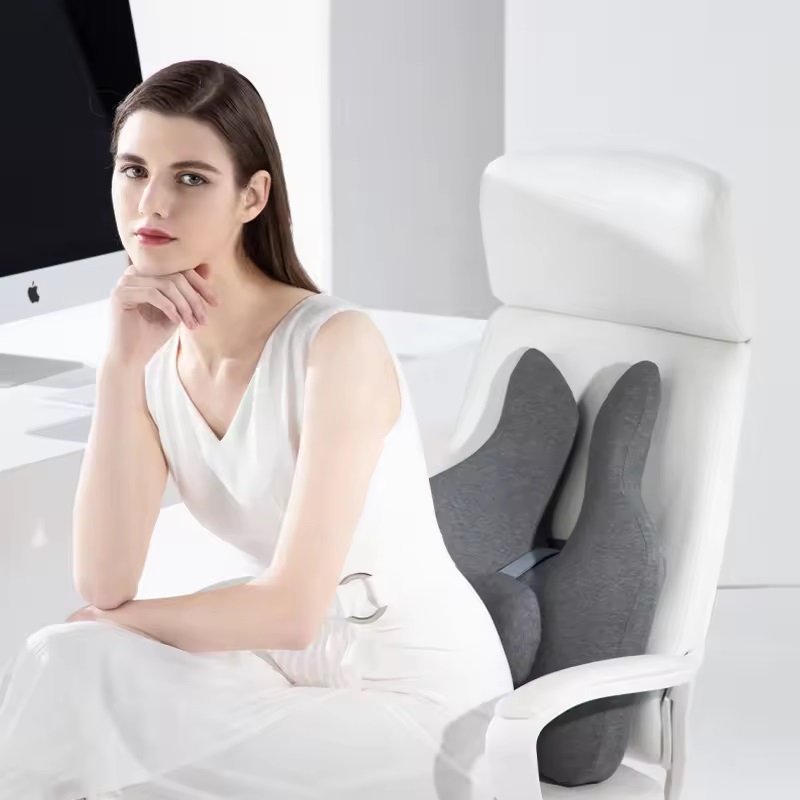
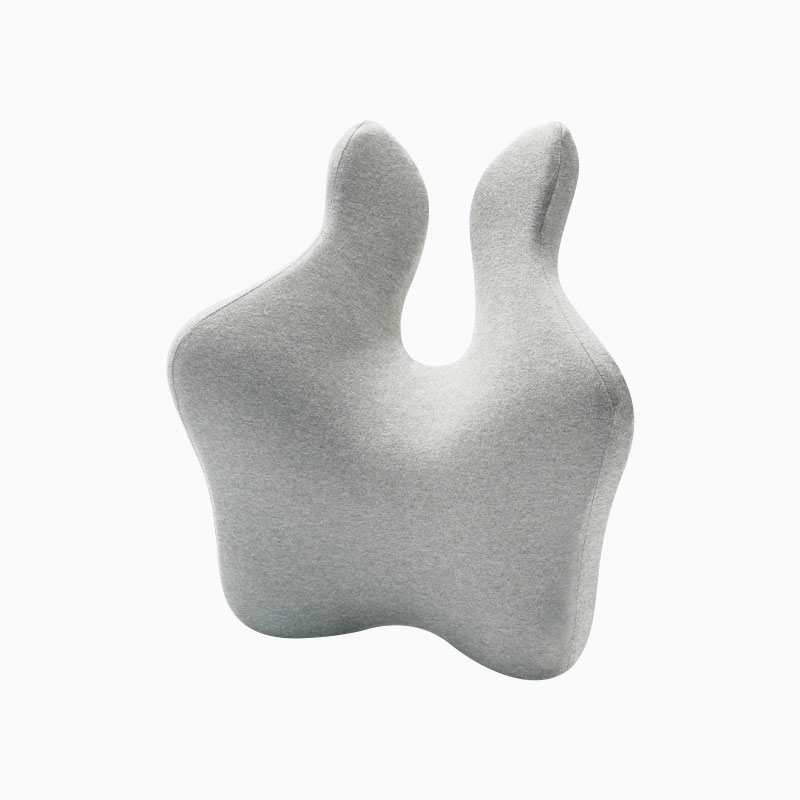
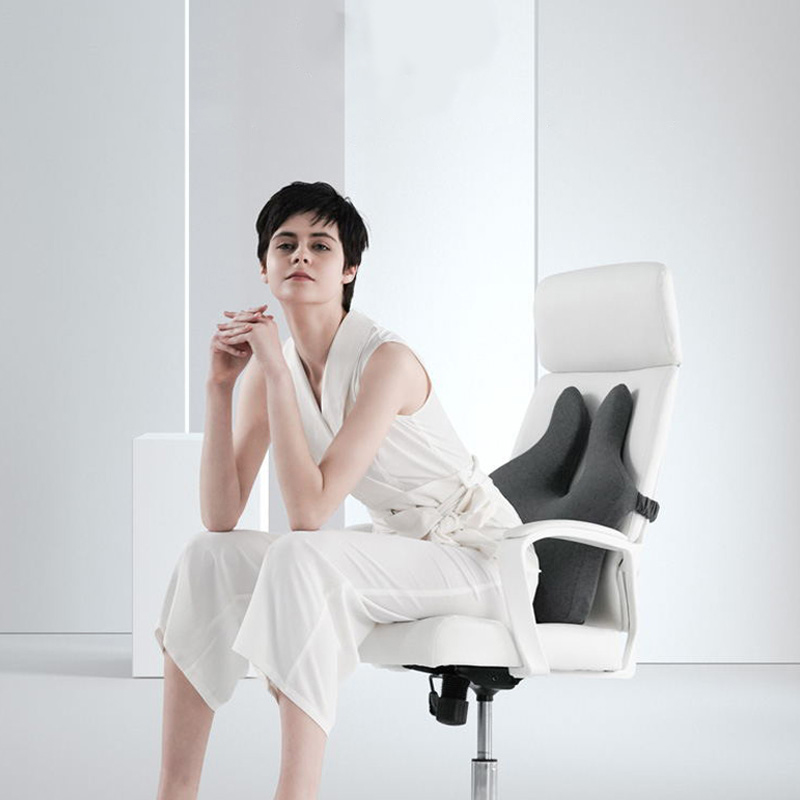
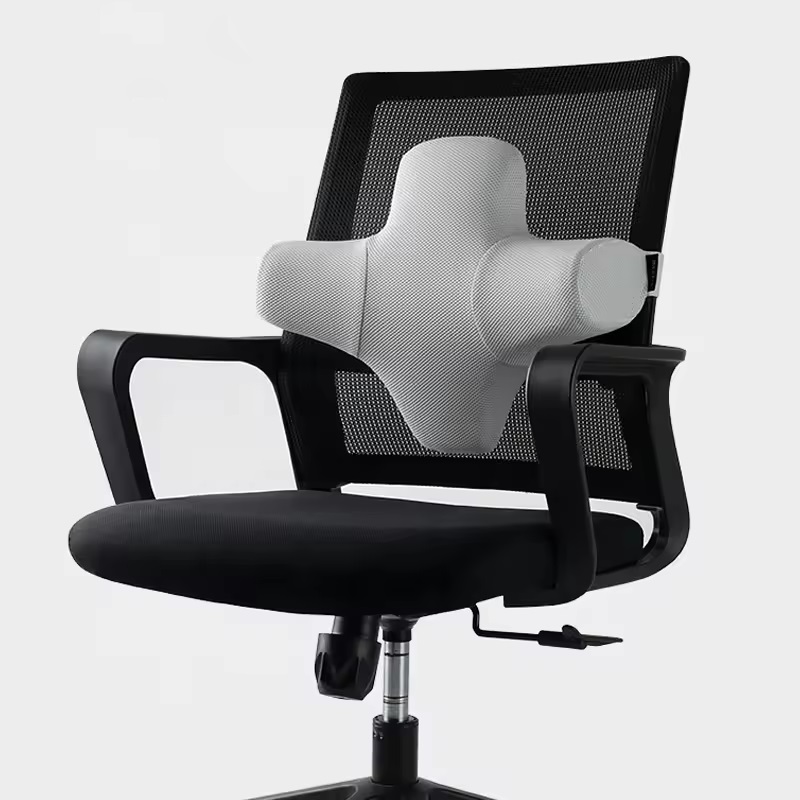
Rabbit Ear Shape Ergonomic Orthopedic Back Lumbar Support CushionThe Rabbit Ear Shape Ergonomic Orthopedic Back Lumbar Support Cushion boasts a unique design that re...
-
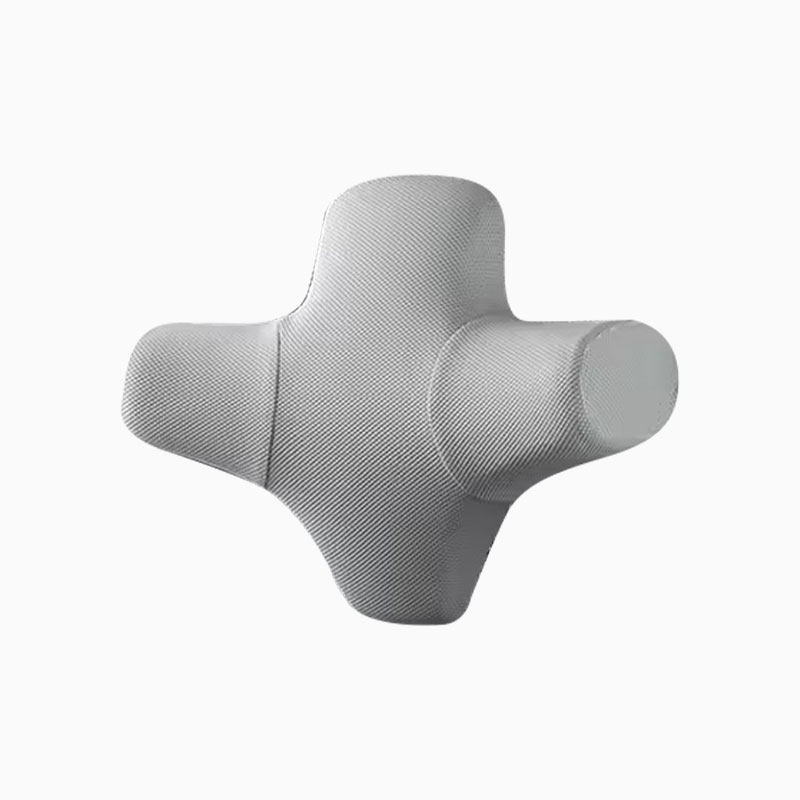
Memory Foam Neck and Back Support Chair CushionThe Memory Foam Neck and Back Support Chair Cushion is designed for neck and back support. Unlike ot...
-
Office Chair Memory Foam Back Cushion with Adjustable StrapSay goodbye to uncomfortable car seats with our back cushion. The lack of lumbar and back support in...
-
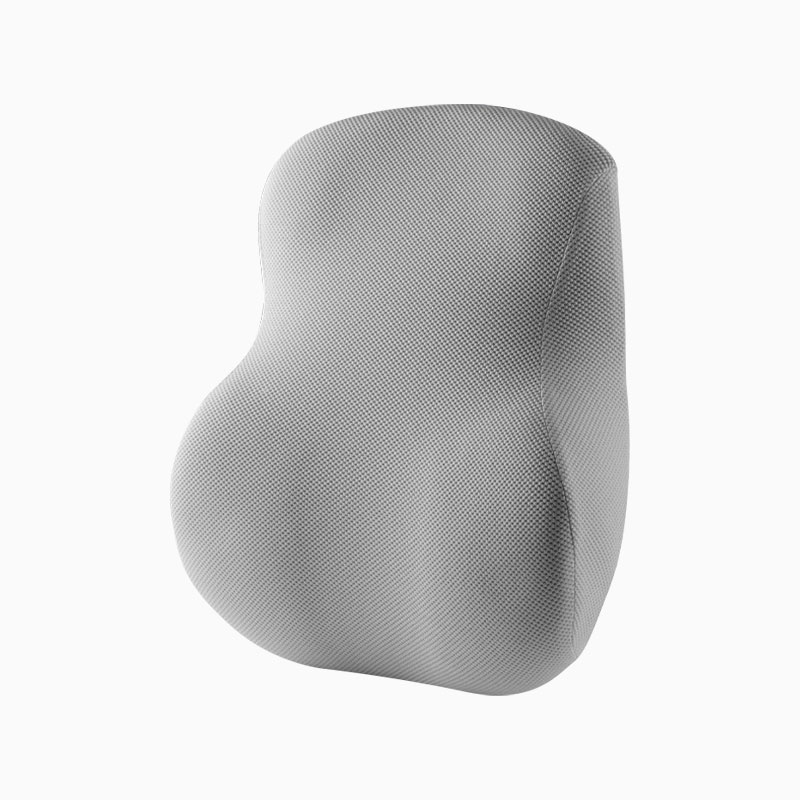
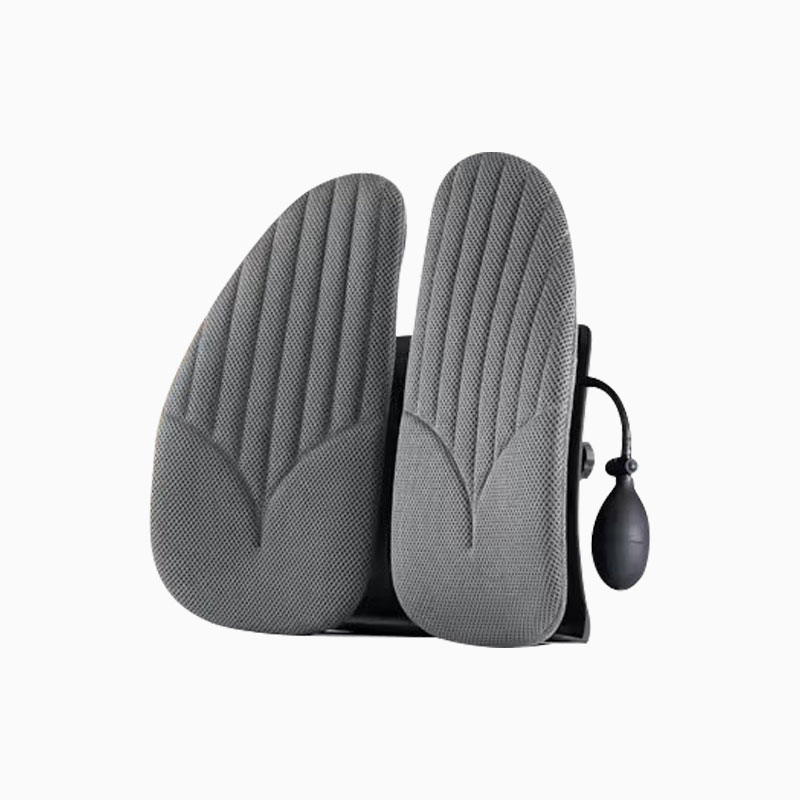
Bravo Lumbar Back Support Mesh Breathable Cushion For Office ChairCrafted with precision and attention to detail, the Bravo Lumbar Back Support Mesh Breathable Cushio...
-
Lower Back Pain Relief Memory Foam Back Support Lumbar Cushion for Hotel Nursing & CampingOur lumbar cushion boasts a professional design that targets the specific area where back pain occur...
-
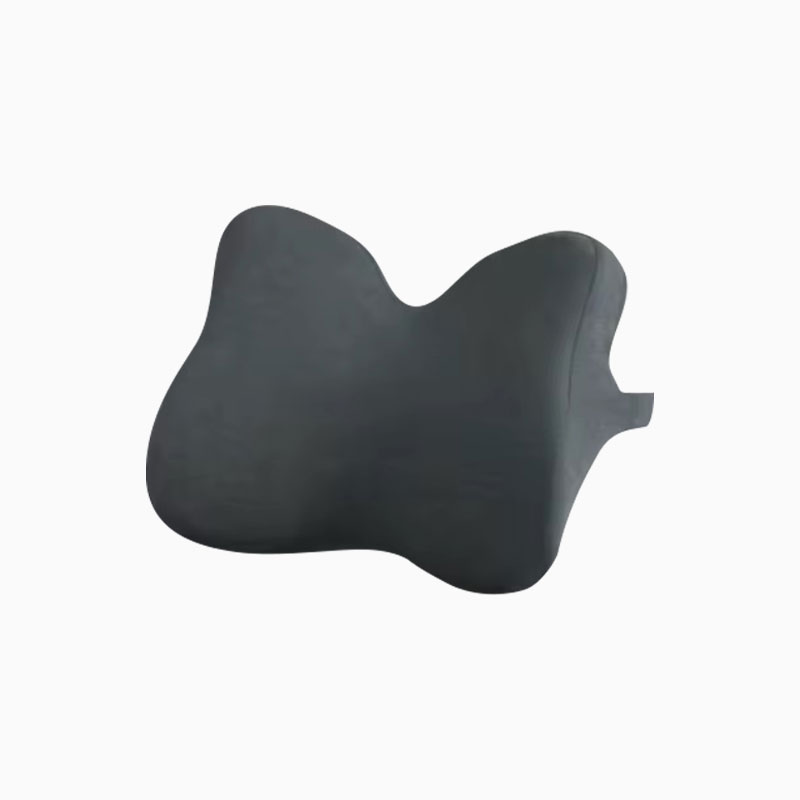
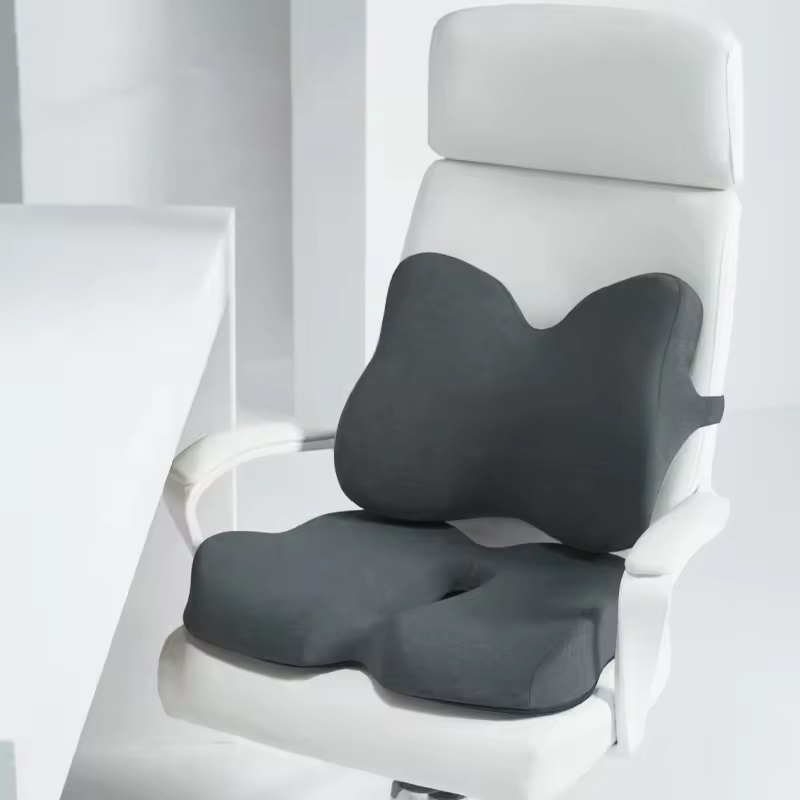
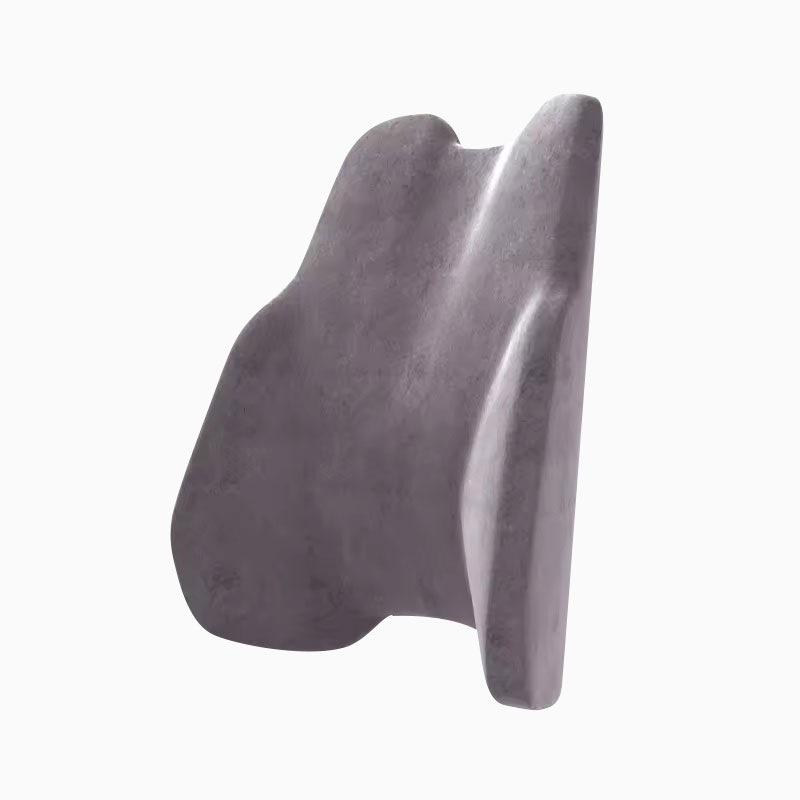
Bravo Memory Foam Lower Back Support CushionCrafted in the shape of a butterfly, this cushion conforms to the natural curve of the lumbar spine ...
-
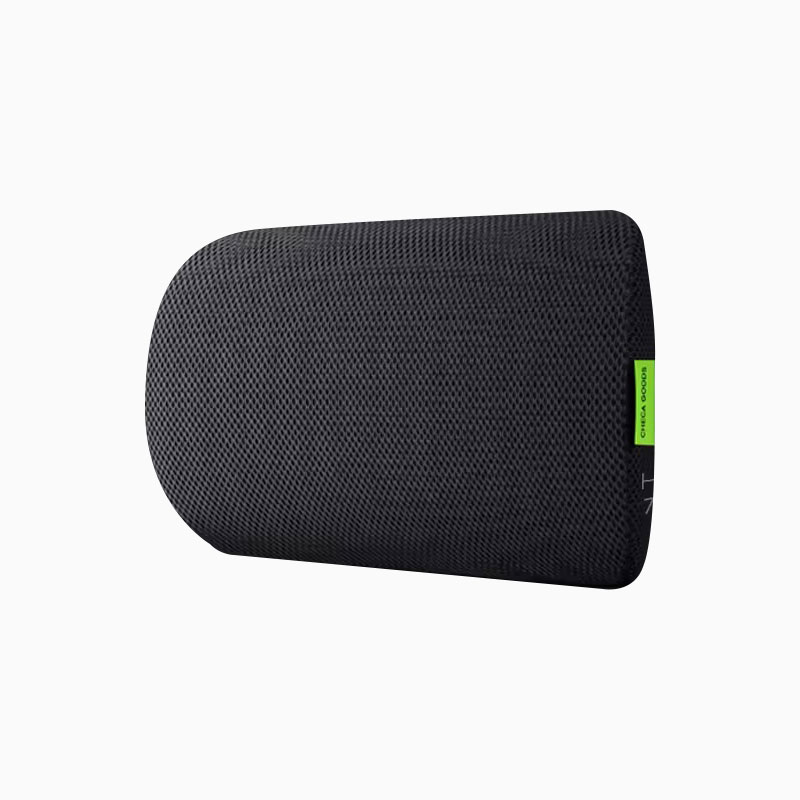
Mini Lumbar Pillow Office Chair Back Support Cushion with Adjustable Strap Lumbar Support PillowThis office chair back support cushion is designed with your comfort in mind, providing lumbar suppo...
-
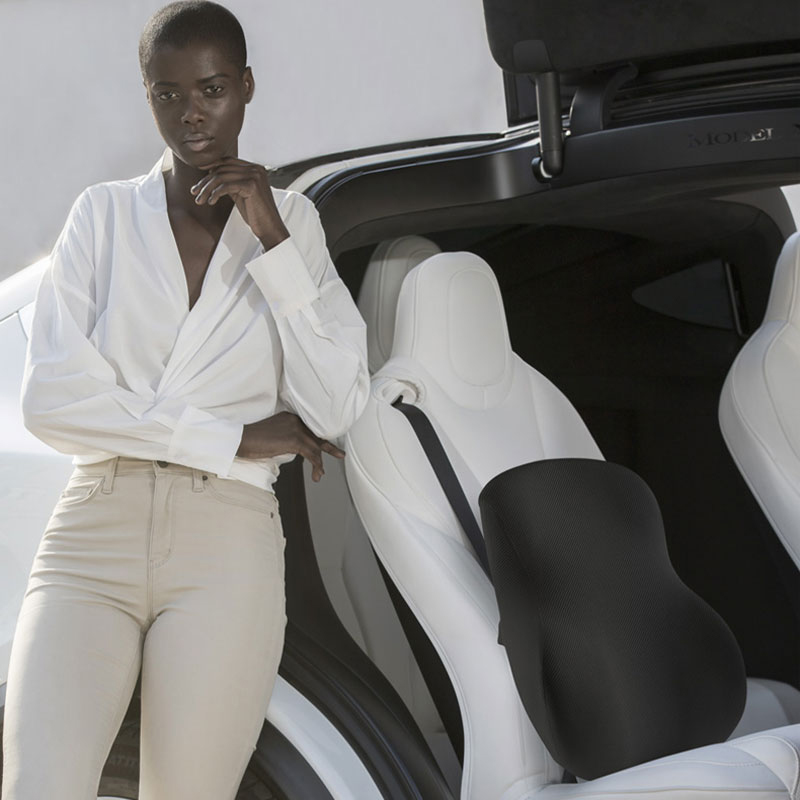
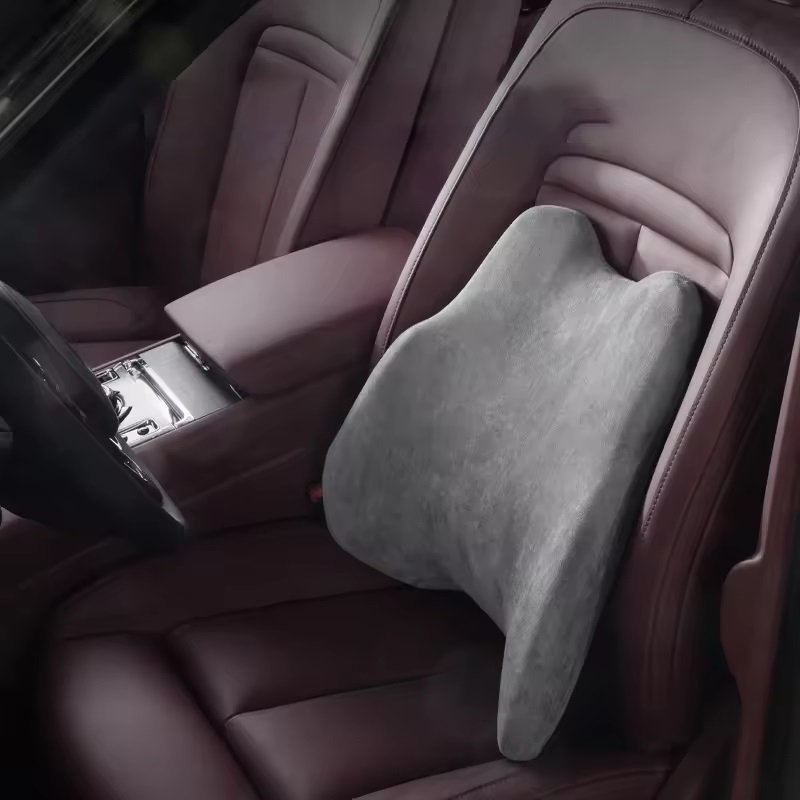
Orthopedic Lumbar Back Support Memory Foam Car Lumbar CushionThe Orthopedic Lumbar Back Support Memory Foam Car Lumbar Cushion is the solution for those seeking ...
-
Multi-Use Lumbar Support Pillow Memory Foam Lower Back Cushion with Elastic Band for Car SeatThe Multi-Use Lumbar Support Pillow is a must-have for anyone who spends long hours sitting, whether...

About Us
Quality Assured Integrated Memory Foam Manufacturing Service Provider
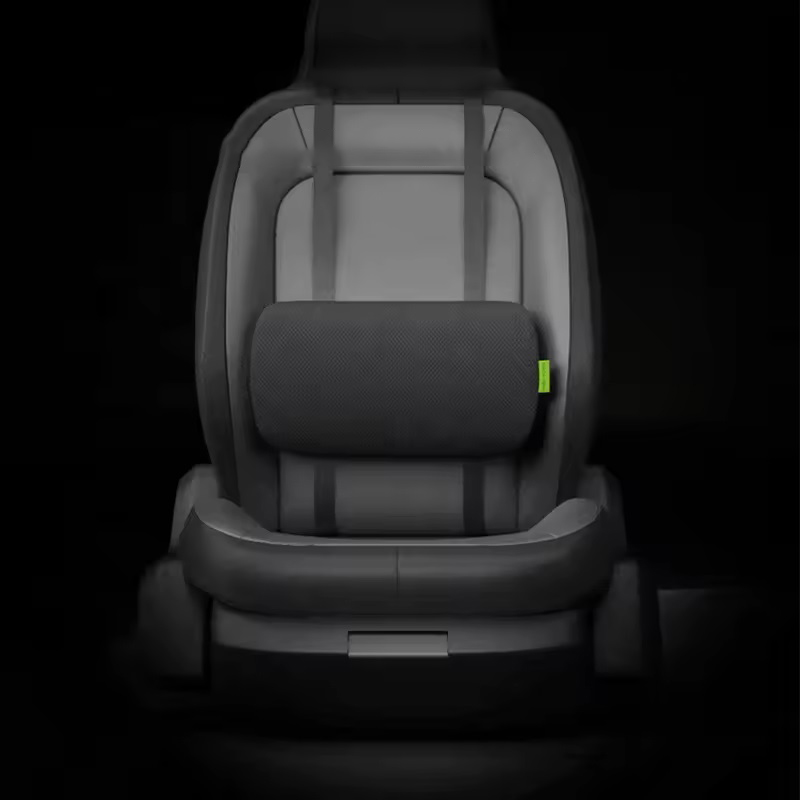
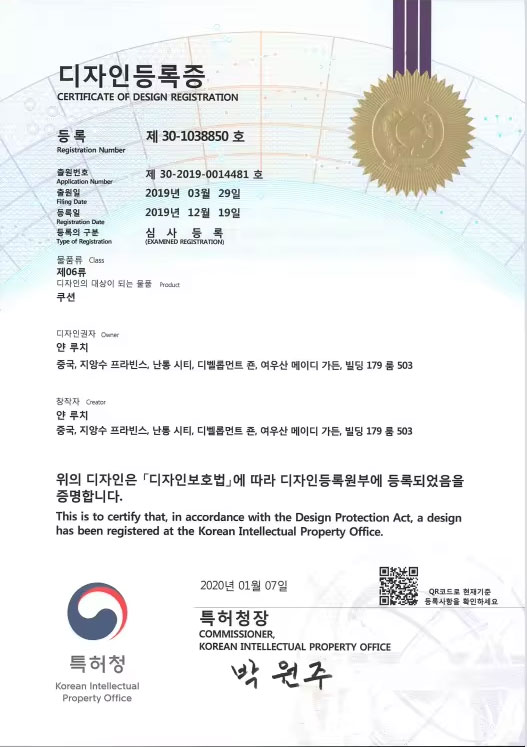
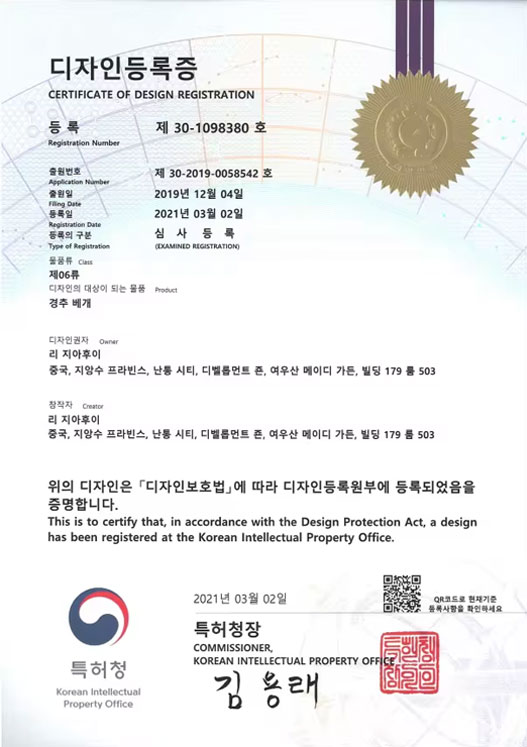
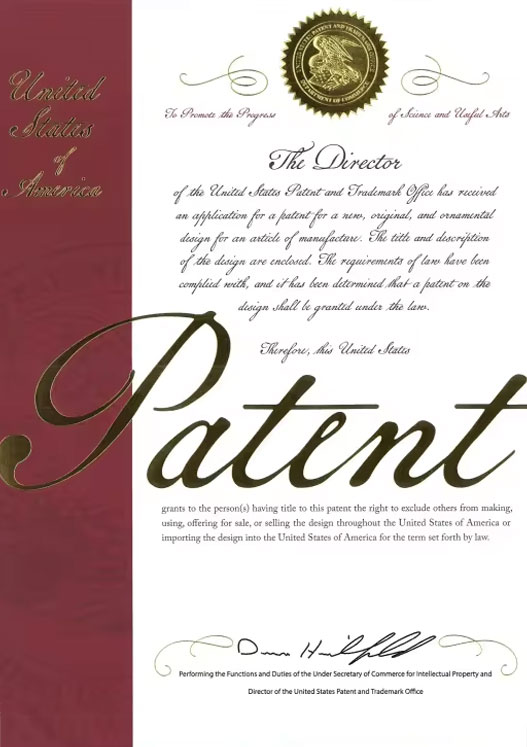
Nantong Bulawo Home Textile Co,.Ltd. established in 2016, is located in Nantong City Jiangsu Province the coastal city. As a famous China Memory Foam Back Cushion Manufacturers and Back Cushion Suppliers. We have our factory. It has abundant resources, convenient transportation, and enough electricity. It has standard factory rooms and Spacious grounds. Our factory area is over 6000 square meters. We have more than 47 employees and 3 stylists. Most of our products obtained several R&D patents. The products are sold all over the world, such as USA, Korea and Japan. We specialize in the development, manufacturing, marketing, and service of ergonomic memory foam pillows, seat cushions, back support pillows, travel pillows, and so on. If you would like to OEM your brand to expand the market, please contact us.
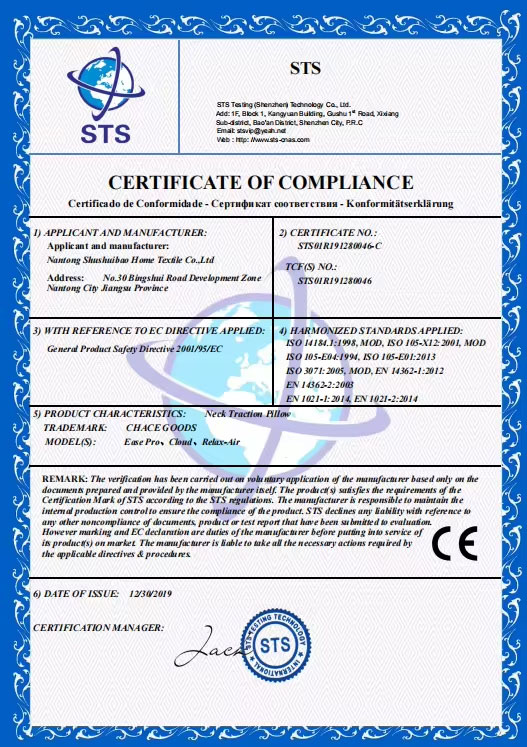
Honor
News
-
Industry News 2026-03-11
Modern Sedentary Crisis: The Solution of Memory Foam Lumbar Cushion In today’s digital work environment, the human body faces unprecedented challenges...
View More -
Climate Regulation and Back Support: Which is Better for Hot and Humid Regions, Latex or Memory FoamIndustry News 2026-03-04
In tropical or subtropical regions characterized by high heat and humidity, choosing the right lumbar support is not just about Spinal Alignment; it i...
View More -
Industry News 2026-02-25
For frequent business travelers and international flyers, the rigid seats of airplane cabins and the temporary office chairs in hotels are primary cul...
View More -
Industry News 2026-02-18
Why Your Chair Might Be Hurting Your Back Sitting and Spinal Pressure In modern office environments, we spend most of our time sitting. While sitting ...
View More
Contact us now
Back Cushion Industry Knowledge
Memory Foam Back Cushions: Reviews & Buying Guide
I. Welcome to the World of Memory Foam Back Cushions
Introduction: Briefly introduce Memory Foam Back Cushions and their benefits.
In modern life, whether you are an office worker sitting at a desk for long periods or a driver commuting daily, prolonged sitting has become the norm. However, maintaining an incorrect sitting posture for extended periods often leads to excessive pressure on the back, lower back, and spine, causing pain and even chronic conditions.
This is why Memory Foam Back Cushions have emerged as an ideal solution for improving sitting posture and alleviating back discomfort. These cushions utilize the special properties of memory foam material, which molds to the user's body temperature and pressure to provide personalized, precise support. They effectively fill the natural gap in the lumbar region (the area of lumbar support), thereby reducing fatigue and pain.
As an enterprise specializing in ergonomic health products, Nantong Bulawo Home Textile Co,.Ltd. understands the importance of quality support. Since the company’s establishment in 2016 in Nantong City, Jiangsu Province, a coastal city with abundant resources and convenient transportation, we have been dedicated to the development, manufacturing, marketing, and service of ergonomic memory foam pillows, seat cushions, back support pillows, travel pillows, and similar products. Our standardized factory spans over 6000 square meters and houses more than 47 employees and 3 professional stylists. We are committed to integrating innovative design into every memory foam back cushion to ensure our products deliver superior support and comfort. Many of our products have obtained several R&D patents and are sold worldwide, including in the USA, Korea, and Japan, confirming our expertise in this field.
Why Choosing the Right Memory Foam Back Cushion is Crucial: Highlight its key role in relieving back discomfort and improving posture.
Not all cushions provide effective support; a poorly designed one may exacerbate your discomfort. A high-quality memory foam back cushion is essential for achieving true back pain relief and posture correction. It ensures your spine maintains its natural S-curve, preventing slouching or hunching over prolonged sitting, which is vital for preventing sciatica pain relief (Sciatica) and coccyx pain relief (Coccyx pain).
Choosing the right memory foam back cushion, is an investment in a healthier, more comfortable lifestyle—it’s not just about immediate comfort, but about the long-term health of your spine.
II. What is a Memory Foam Back Cushion?
Properties of Memory Foam: Explain what memory foam is and its characteristics of thermal response and slow rebound.
Memory foam, formally known as polyurethane, is a high-density, viscoelastic sponge material. It was originally developed by NASA in the 1960s to enhance the safety and comfort of astronaut seats. Unlike standard foam or sponge, memory foam possesses two core characteristics that make it an ideal back support material:
- Temperature Sensitivity: The firmness of memory foam changes with temperature. When it comes into contact with body heat, the material softens, allowing it to better conform to the body's contours.
- Viscoelasticity (Slow Rebound): When pressure is removed, high-quality memory foam does not instantly revert to its original shape but slowly rebounds. This property allows the cushion to distribute body pressure evenly, avoiding the formation of pressure points, and providing sustained, gentle support.
Design Principles of Memory Foam Back Cushions: Describe how memory foam back cushions are designed to mold to body curves and support the spine.
Memory foam back cushions leverage these properties, with their design aimed at filling the natural void between the lower back (the lumbar support area) and the chair back during sitting. As the user leans against it, the memory foam "remembers" and molds to the unique curvature of the spine, offering customized support that is more effective than traditional hard or ordinary foam cushions.
In manufacturing high-quality memory foam back cushions, Nantong Bulawo Home Textile Co,.Ltd. possesses extensive professional knowledge. In our R&D and production processes, we strictly control the formulation and foaming technology of the memory foam to ensure our cushions possess the ideal density and slow rebound properties. Our factory, located in Nantong City, features standard factory rooms and spacious grounds, facilitating the continuous production of high-standard ergonomic memory foam pillows, seat cushions, and back support pillows.
How the Design Provides Spinal Support: How memory foam back cushions are designed to support the spine, especially the Lumbar region.
An effective ergonomic memory foam back cushion typically features a specific contoured design to optimize spinal support:
| Design Element | Support Goal | Effect |
| Central Convexity | Primarily supports the natural inward curve of the lumbar spine (Lumbar). | Maintains the spine's physiological S-curve, preventing the lower back from flattening or tilting backward during long periods of sitting. |
| Side Wings | Stabilizes the torso and limits lateral tilting. | Aids in posture correction, making the sitting posture more stable and reducing muscle tension. |
| Bottom or Coccyx Cutout | Reduces direct pressure on the coccyx (Coccyx) or sacrum (primarily for seat cushions). | Relieves coccyx pain and sciatica pain. |
Our 3 professional stylists at Nantong Bulawo Home Textile Co,.Ltd. base their product development on these ergonomic principles, striving to ensure every memory foam back cushion provides optimal lumbar support to help users effectively meet the challenges of prolonged sitting. Our technical expertise is further demonstrated by the multiple R&D patents we have secured, confirming the scientific and innovative nature of our designs.
III. Benefits of Using a Memory Foam Back Cushion
The benefits provided by Memory Foam Back Cushions are multifaceted, not only enhancing sitting comfort but also positively impacting users' spinal health and long-term quality of life.
Pain Relief
A well-designed memory foam back cushion is a powerful tool for back pain relief.
- Alleviation of Lower Back Pain: By providing precise lumbar support (Lumbar Support), the cushion fills the gap between the lumbar spine and the seat, reducing tension in the lower back muscles and ligaments, which is the source of much of the lower back pain caused by prolonged sitting.
- Aid in Sciatica Pain Relief: By maintaining correct spinal alignment and reducing pressure on the pelvic area, the memory foam back cushion helps lessen irritation of the sciatic nerve.
- Coccyx Pain Relief: While this is mainly achieved through complementary seat cushions, an excellent back cushion can distribute body weight pressure, preventing pressure from concentrating on the base of the spine.
The back support pillows produced by Nantong Bulawo Home Textile Co,.Ltd. are specifically designed to deliver this type of pain relief. Our products are widely used in various prolonged sitting scenarios, and their effectiveness has been proven through sales to global markets, including the USA, Korea, and Japan.
Posture Correction
The memory foam back cushion physically assists users in maintaining correct spinal alignment, achieving posture correction.
- The ergonomic (Ergonomic) contour of the cushion forces your lumbar spine to maintain its natural "S" curve, preventing the user from unconsciously hunching or leaning forward.
- Long-term use trains muscle memory, making it easier to maintain good posture even without the cushion. This is especially important for professionals working in office chairs.
Comfort
The thermal response and slow rebound characteristics of memory foam mean it perfectly conforms to your body contours, creating a custom-like comfort that significantly enhances the experience of prolonged sitting.
- Personalized Fit: The cushion dynamically adjusts to your body shape and sitting position.
- Avoidance of Local Overheating: Many of our memory foam back cushions feature breathable designs and high-quality cover materials to enhance air circulation, ensuring comfort and coolness during extended use.
Pressure Relief
This is one of the core advantages of memory foam material.
| Material Type | Pressure Distribution | Local Pressure Points | Support Effect |
| Standard Foam | Pressure is concentrated on the highest contact points. | High (easily causes discomfort). | Lacks personalized support. |
| Memory Foam | Pressure is evenly distributed across the entire contact surface. | Low (effectively alleviated). | Customizes support based on body curves. |
Versatility
The high portability of the memory foam back cushion makes it suitable for use in various environments:
- Office Chair: Provides the necessary ergonomic back support for long working hours.
- Car Seat: Alleviates fatigue from long-distance driving.
- Wheelchair: Offers comfort and pressure relief.
- Sofa or Dining Chair: Improves the inadequate support of household seating.
As a manufacturer with standardized factory rooms spanning over 6000 square meters, Nantong Bulawo Home Textile Co,.Ltd. is dedicated to developing a full range of ergonomic products, including various sizes and shapes of memory foam back cushions, to meet the needs of different application scenarios. We welcome customers interested in expanding the market to contact us for OEM services to collaboratively bring this high-quality health support to a broader audience.
IV. Factors to Consider When Buying a Memory Foam Back Cushion
Choosing the most suitable Memory Foam Back Cushion needs careful consideration of multiple factors. A high-quality cushion should provide precise Lumbar Support and seamlessly integrate with your usage environment.
1. Size and Shape
- Width and Height: The cushion's size should ensure it fully supports the entire lumbar region of your back and extends at least to the lower thoracic spine.
- Applicability: Consider which chair you will primarily use it on. Cushions for an Office Chair are generally larger than those for a Car Seat, as car seat backs often have a predefined curve.
- Contour Design: Excellent memory foam back cushions feature an ergonomic side profile designed to embrace your back rather than simply pushing it forward.
| Shape Factor | Purpose | Ideal Outcome |
| Contoured Center | Key support for the lumbar curve. | Maintains correct posture correction. |
| Side Support Wings | Limits lateral leaning of the body. | Stabilizes the core sitting posture, and reduces strain on side muscles. |
2. Density and Firmness
The density of memory foam (usually measured in pounds per cubic foot or kilograms per cubic meter) is a key parameter affecting support and durability.
- Density: High-density memory foam is typically more durable and heavier, offering firmer support; low density is softer and lighter.
- Firmness: This refers to the actual feel of support. Too firm can feel like a board, while too soft fails to provide adequate support. The best memory foam back cushions should feel soft upon initial contact and gradually conform as body temperature rises, providing stable, deep support.
As a professional manufacturer, Nantong Bulawo Home Textile Co,.Ltd. has extensive R&D experience in memory foam formulations. Our factory in Nantong possesses advanced production facilities and standardized workshops, allowing us to precisely control the foaming process of the memory foam. This ensures the production of products with ideal density and slow rebound properties, guaranteeing both back pain relief and long-term durability.
3. Material Quality and Certifications
The quality of memory foam is directly related to safety and health.
- CertiPUR-US Certification: This certification ensures that the memory foam does not contain harmful chemicals (such as ozone depleters, mercury, lead, formaldehyde, etc.) during manufacturing and has low Volatile Organic Compound (VOC) emissions. Seeking memory foam back cushions with this certification is a crucial step in ensuring health.
- Durability: High-quality memory foam can withstand daily pressure without easily deforming or collapsing.
4. Ergonomic Design
When purchasing, be sure to check if the cushion has a professional design targeting key pain areas:
- Lumbar Support: This is the core function; the cushion must perfectly fit the physiological curve of the lower back.
- Spinal Groove: Some cushions are designed with a central groove to reduce pressure on the spine itself and focus support on the surrounding muscle groups.
5. Adjustability and Portability
- Adjustable Straps: Most memory foam back cushions come with adjustable straps or elastic bands to secure the cushion to the chair. These straps should be long and durable enough to fit various sizes of Office Chairs or Car Seats.
- Portability: If you frequently need to change the location of use (e.g., from home to the office), the cushion's weight and size should be convenient to carry.
6. Cover Material
The cover is the first layer of contact between the cushion and the skin, and its importance cannot be ignored.
- Breathability: To prevent the memory foam from accumulating heat, the outer cover should use breathable fabrics, such as mesh or a breathable cotton blend.
- Washability: The zipper design should allow easy removal, ensuring the cover is machine-washable for maintaining hygiene.
At Nantong Bulawo Home Textile Co,.Ltd., our 3 professional stylists consider both ergonomics and user experience when designing back support pillows. We offer OEM branding services and can customize the memory foam density and cover material based on your specific market needs, assisting you in expanding your market share.
V. How to Use a Memory Foam Back Cushion Correctly
Even if you purchase the highest quality Memory Foam Back Cushion, its effectiveness in back pain relief and posture correction will be severely limited if not used correctly. The correct method of use is key to maximizing the cushion's benefits.
Correct Placement of the Cushion for Optimal Support
1. Placement Position: Identifying the Key Support Area
The memory foam back cushion must be placed on the chair back so that its most convex part (the Lumbar Support area) aligns with the natural curve of your lumbar spine.
- Positioning Principle: The center of the cushion should be located above your waistline, tightly conforming to the inward curve of your lower back.
- Consequences of Incorrect Placement: If the cushion is placed too low (supporting the hips) or too high (supporting the chest), it will not provide correct ergonomic support and may even exacerbate your discomfort.
| Chair Type | Target Support Area | Cushion Placement Tip |
| Office Chair | Lumbar Curve | Place the bottom of the cushion above the hips, ensuring it fits the natural inward curve. |
| Car Seat | Center of the lower back to mid-back | Adjust to a position where the body is most relaxed and vertical while driving. |
Nantong Bulawo Home Textile Co,.Ltd. designs its back support pillows to accommodate different body types and chair styles. Our products are engineered to ensure users can easily find and secure the optimal lumbar support position on both Office Chairs and Car Seats.
2. Adjusting Straps: Securing the Cushion to Prevent Sliding
Most memory foam back cushions come equipped with adjustable straps or elastic bands to secure them to the chair back.
- Importance: The purpose of the securing straps is to prevent the cushion from sliding when you stand up or sit down. A cushion that constantly slides cannot provide consistent, stable posture correction.
- Adjustment Technique: Tighten the straps, to ensure the cushion fits firmly against the chair back, but it should still allow for slight vertical movement when adjusting position. Do not over-tighten, as this may deform the cushion.
3. Maintaining Posture: Cooperating with the Cushion for Active Correction
The memory foam back cushion is a complementary tool for posture correction, but it cannot replace your active effort to maintain good posture.
- Correct Sitting Posture: Ensure your feet are flat on the floor, and your knees and hips are kept at about a 90-degree angle. Shoulders should be relaxed, and your head aligned with your spine.
- Using the Cushion: Lean fully against the memory foam back cushion, letting its thermal properties work and help you achieve the best fit. The cushion provides feedback, reminding you if your posture deviates.
- Breaks and Movement: Even when using the cushion, it is recommended to get up and stretch every 30 to 60 minutes to further promote back pain relief and blood circulation.
We Nantong Bulawo Home Textile Co,.Ltd., with our over 6000 square meters of factory space and professional R&D team, is committed to providing high-quality, easy-to-use ergonomic products. We help users globally (including the USA, Korea, and Japan) maximize the health benefits of memory foam back cushions through correct usage.
VI. Care and Maintenance of Memory Foam Back Cushions
Proper care and maintenance are crucial for extending the lifespan of your Memory Foam Back Cushion and ensuring it continues to provide effective Lumbar Support and Back Pain Relief. Due to the specific nature of memory foam material, its cleaning and storage methods differ from ordinary cushions.
Cleaning Instructions: Maintaining Hygiene and Breathability
Memory foam itself is not suitable for washing, as water will destroy its internal structure and slow rebound properties. Therefore, cleaning primarily focuses on the outer protective cover.
- Washing the Cushion Cover:
- Removal: Most high-quality memory foam back cushions are designed with zippers for easy cover removal.
- Washing Method: Follow the instructions on the washing label for machine or hand washing. A gentle cycle with mild detergent and cold water is usually recommended.
- Drying: Air drying is recommended. Avoid the high heat of a dryer, as it can cause fabric shrinkage or damage.
- Cleaning the Memory Foam Core:
- Spot Cleaning: If the core gets stained, use a damp cloth with diluted mild soap water for spot cleaning, then gently blot dry with a dry cloth.
- Ventilation and Drying: After wiping, the memory foam core must be thoroughly air-dried in a cool, well-ventilated area. Never expose it to direct sunlight or use heat sources to dry it.
Proper Storage: Maintaining the Cushion Shape
When the memory foam back cushion is temporarily not in use, correct storage helps it maintain its ergonomic shape.
- Avoid Heavy Pressure: Do not place heavy objects on the memory foam back cushion for extended periods, as this can cause permanent deformation or loss of the slow rebound property.
- Flat or Hanging Storage: Ideally, it should be stored flat in a dry area, or hung up using its securing straps.
- Avoid Extreme Temperatures: Memory foam is temperature sensitive. Avoid leaving the memory foam back cushion in extremely hot (like on a sun-drenched Car Seat) or extremely cold environments for long periods, as extreme temperatures can affect its firmness and elasticity.
How to Prolong the Life of Your Memory Foam Back Cushion
- Regular Ventilation: Even if not visibly dirty, regularly remove the cover and allow the memory foam core to air out in a ventilated area to help dissipate odors and moisture.
- Avoid Sharp Objects: Prevent the cushion from being punctured or scratched by sharp objects.
- Timely Replacement: Although memory foam is durable, its supportive strength will gradually decline over time and with frequent use. It is generally recommended to consider replacing the cushion when it shows obvious signs of collapse or fails to restore its original lumbar support curve.
Nantong Bulawo Home Textile Co,.Ltd., as a professional manufacturer of ergonomic memory foam products, understands the importance of product maintenance. All our memory foam back cushions come with high-quality, easily removable covers to facilitate daily user maintenance. With our over 6000 square meters of standardized factory space, we maintain strict quality control to ensure every product meets the durability standards for long-term use, providing continuously effective back support pillows services to global users (including the USA, Korea, and Japan).
VII. FAQ About Memory Foam Back Cushions
1. Is Memory Foam Safe? (Discussing off-gassing and certifications)
Memory foam may release a slight chemical odor during the manufacturing process, known as "Off-gassing," which is often noticeable upon unboxing. This odor is typically caused by residual polyurethane and other chemicals used in production.
- Safety: Off-gassing is generally considered harmless to most users, but a persistent or strong odor can be uncomfortable.
- How to Ensure Safety: When purchasing, prioritize memory foam back cushions that have obtained certifications like CertiPUR-US. This certification guarantees the product is free from harmful substances such as ozone depleters, mercury, lead, and formaldehyde, and has low Volatile Organic Compound (VOC) emissions.
- Handling the Odor: If a newly purchased memory foam back cushion has a slight odor, simply leave it in a well-ventilated space (away from direct sunlight) for a few days, and the smell will usually dissipate.
As a company that values product quality and user health, Nantong Bulawo Home Textile Co,.Ltd. strictly adheres to international standards in our production processes. Our memory foam products are designed to meet high health standards, ensuring customers can use our back support pillows and ergonomic products safely and with confidence.
2. Can a Back Cushion Fix My Posture? (Managing expectations and emphasizing proper usage)
The primary role of a memory foam back cushion is as a complementary tool for Posture Correction, not a therapeutic device.
| Function | Impact | Expectation Level |
| Provide Support | Physically fills the lumbar void, maintaining the natural spinal curve. | High |
| Correct Habits | Requires active user awareness and long-term consistent use. | Medium |
| "Fix" Posture | Cannot reverse severe habits or structural issues formed over many years. | Low |
- Realistic Expectations: The memory foam back cushion helps you reduce back pain and maintain the correct ergonomic sitting posture more easily by providing precise lumbar support. But achieving long-term posture correction still requires you to incorporate regular movement, stretching, and always ensure the correct placement and use of the memory foam back cushion (as detailed in Section V).
- Wide Applicability: Our memory foam back cushions are widely used in Office Chairs and Car Seats due to their excellent support, helping people counteract the postural challenges caused by prolonged sitting.
3. How Long Will a Memory Foam Back Cushion Last? (Factors affecting lifespan)
The lifespan of a memory foam back cushion depends on various factors, but it is generally more durable than standard foam cushions.
- Density: Higher-density memory foam typically has a longer lifespan. Nantong Bulawo Home Textile Co,.Ltd. products use high-quality raw materials to ensure durability.
- Usage Frequency: A memory foam back cushion used daily will wear out faster than one used occasionally.
- Maintenance: Avoiding excessive washing, direct sunlight, and heavy pressure (as discussed in Section VI) will significantly extend the lifespan of the memory foam back cushion.
Generally, a high-quality memory foam back cushion can last 3 to 5 years with proper maintenance. After this period, you may notice a decrease in its slow rebound property and support, at which point replacement should be considered to continue receiving effective back pain relief.
With strict production and quality control in our 6000 square meter factory in Nantong City, Nantong Bulawo Home Textile Co,.Ltd. ensures that our memory foam pillows, seat cushions, and back support pillows provide lasting and reliable support services to customers worldwide, including the USA, Korea, and Japan.
Copyright © 2023 Nantong Bulawo Home Textile Co,.Ltd. All Rights Reserved
