
 English
 عربى
عربى
Product Categories
Memory Foam Pillow Manufacturers
-
Stomach or Side Sleepers Memory Foam Orthopedic Cervical PillowsStomach or Side Sleepers Memory Foam Orthopedic Cervical Pillows are specially designed to provide s...
-
Bravo Bamboo Anti Wrinkle Pillow Side Sleep Cervical Memory Foam Anti Aging PillowThe design of the Bravo Bamboo pillow is what sets it apart from other traditional pillows. Its uniq...
-
Memory Foam Sleeping Cervical Orthopedic Support Pillow with Washable CoverThe Memory Foam Sleeping Cervical Orthopedic Support Pillow is designed by physical therapists to pr...
-
Concise Style Memory Foam Bamboo Charcoal Neck Support PillowThe Concise Style Memory Foam Bamboo Charcoal Neck Support Pillow is a highly recommended choice for...
-
Memory Foam Orthopedic Pillow Slow Rebound Soft Cervical Sleep PillowThe Memory Foam Orthopedic Pillow Slow Rebound Soft Cervical sleep pillow boasts a unique low and th...
-
Bravo Memory Foam Orthopedic Sleeping PillowsBravo Memory Foam Orthopedic Sleeping Pillows are revolutionary pillows that have been patented by B...
-
Upgrade Soft Pain Relief Memory Foam Cervical Pillow Ergonomic PillowThis ergonomic neck pillow is designed to provide body contour, supporting your head and neck while ...
-
Side Sleep Butterfly Memory Foam Ergonomic Cervical PillowAccording to the clinical recommendations of the World Spine Health Association, the one-piece side-...
-
Memory Foam Orthopedic Sleeping PillowThis Memory Foam Orthopedic Sleeping Pillow is filled with pure memory foam. According to the princi...
-
Cervical Support Orthopedic Pillow for SleepingAccording to the clinical recommendations of the World Spine Health Association, to improve sleep qu...
-
Ergonomic Neck Pillow Memory Foam Cloud Shape Cervical Support PillowsSpecifically designed with the human body in mind, the ergonomic neck pillow is made of memory foam,...
-
Bravo Side Sleeper Pillow Anti Wrinkle Aging Pillow Memory Foam PillowMade with anti-wrinkle technology, this pillow is designed to reduce facial wrinkles and puffiness w...
-
Memory Foam Bed Pillows for Side and Back SleeperExperience the ultimate in comfort and support with our Memory Foam Bed Pillows designed for both si...
-
Ergonomic Removable Side Back Stomach Orthopedic PillowDesigned with the latest ergonomic principles in mind, our pillow is for individuals who prefer to s...
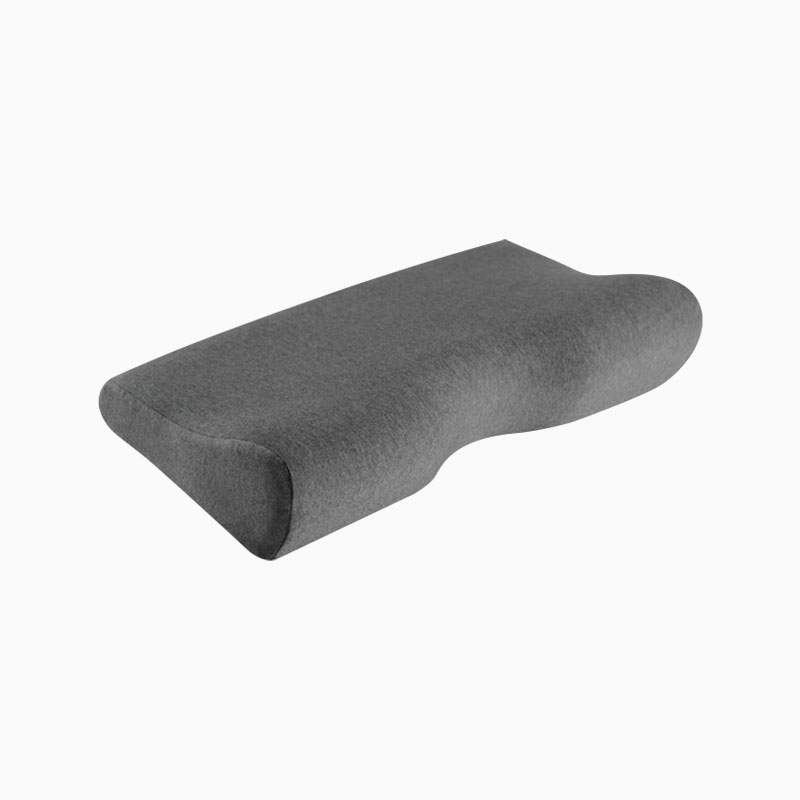
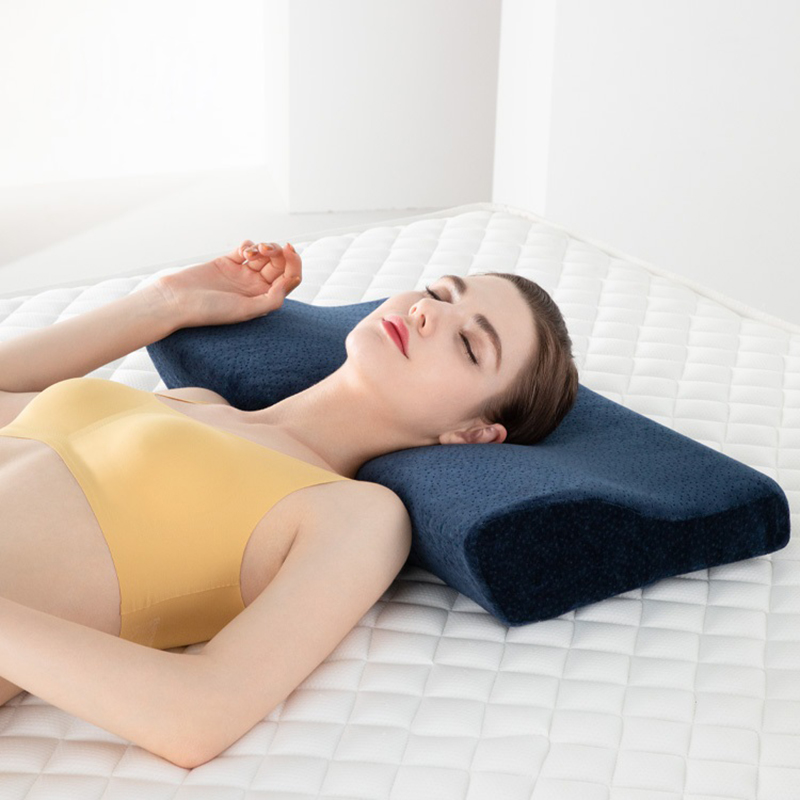
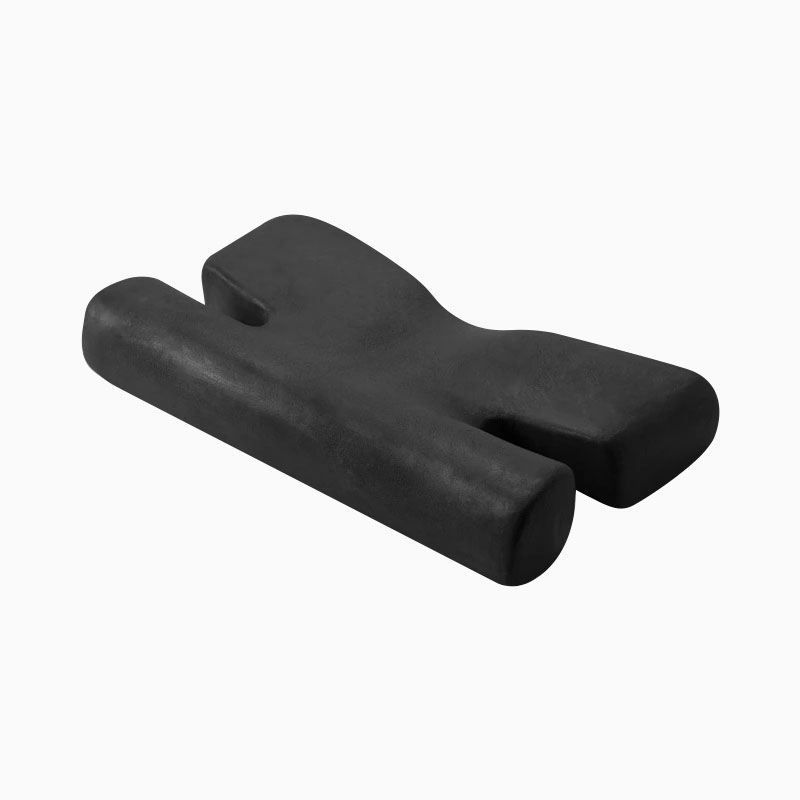
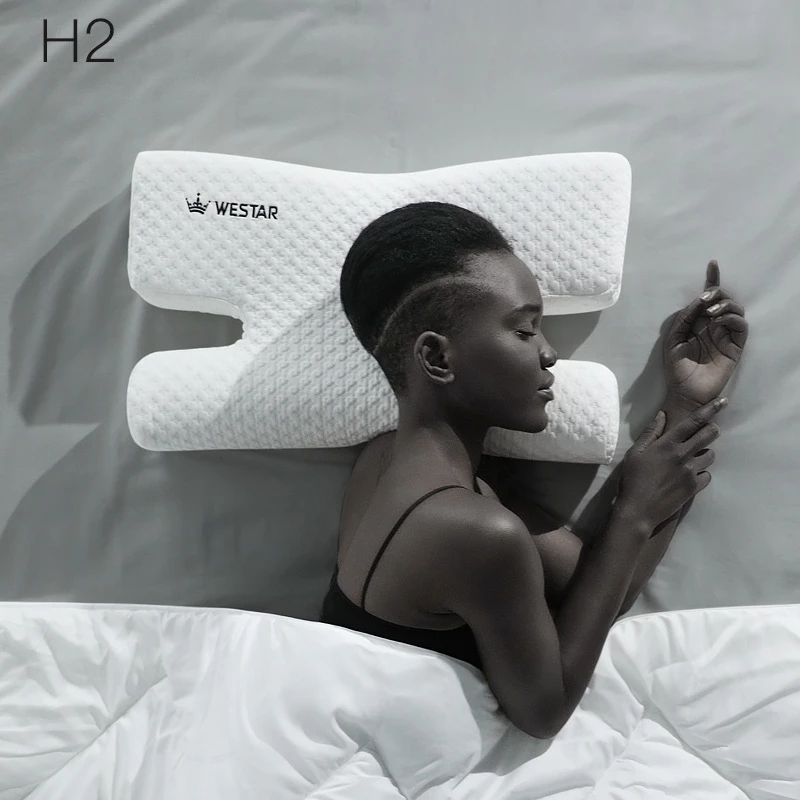
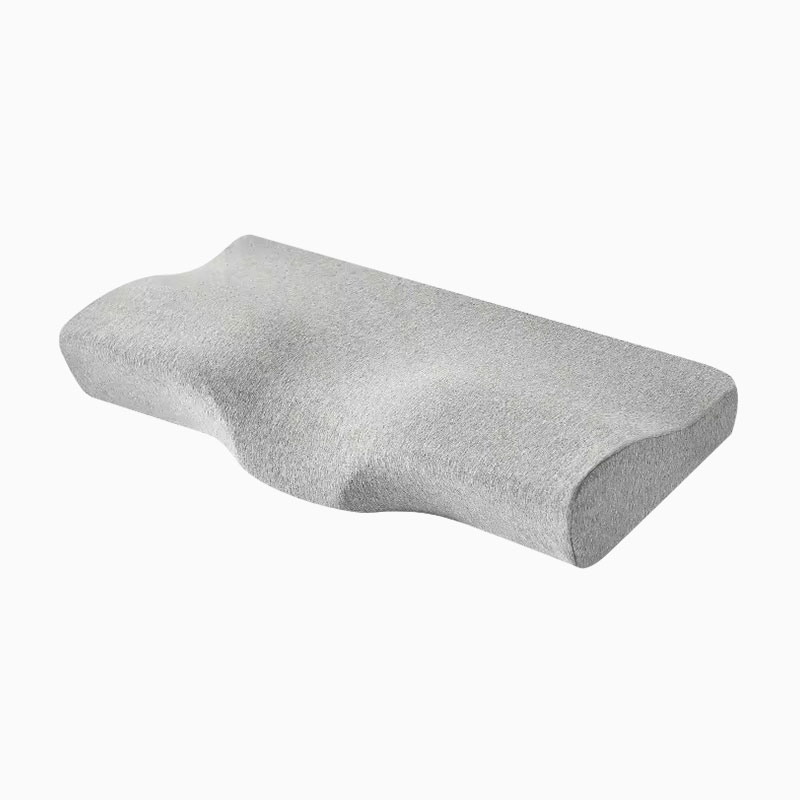
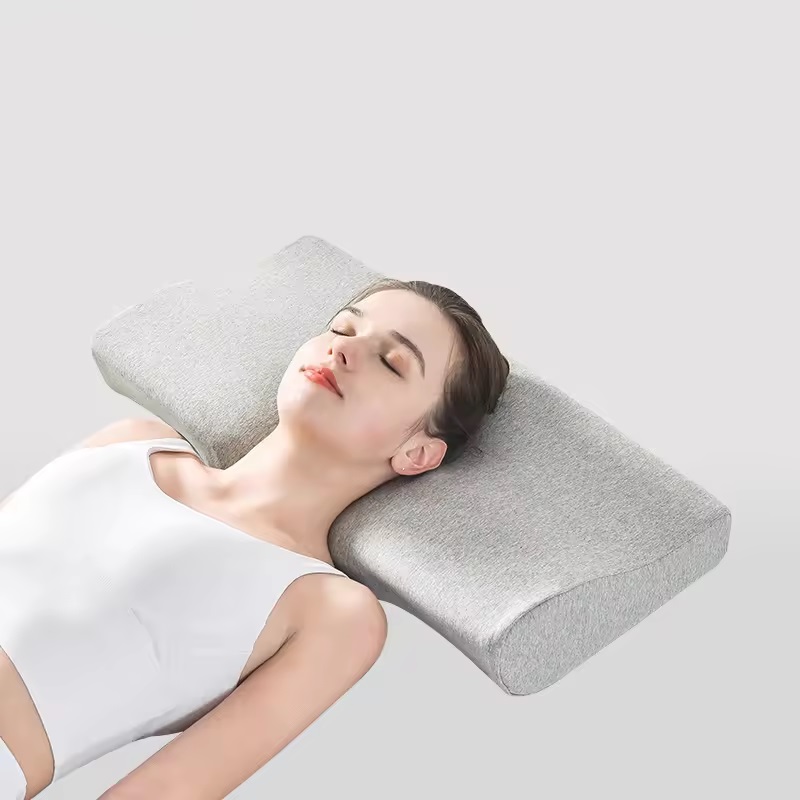
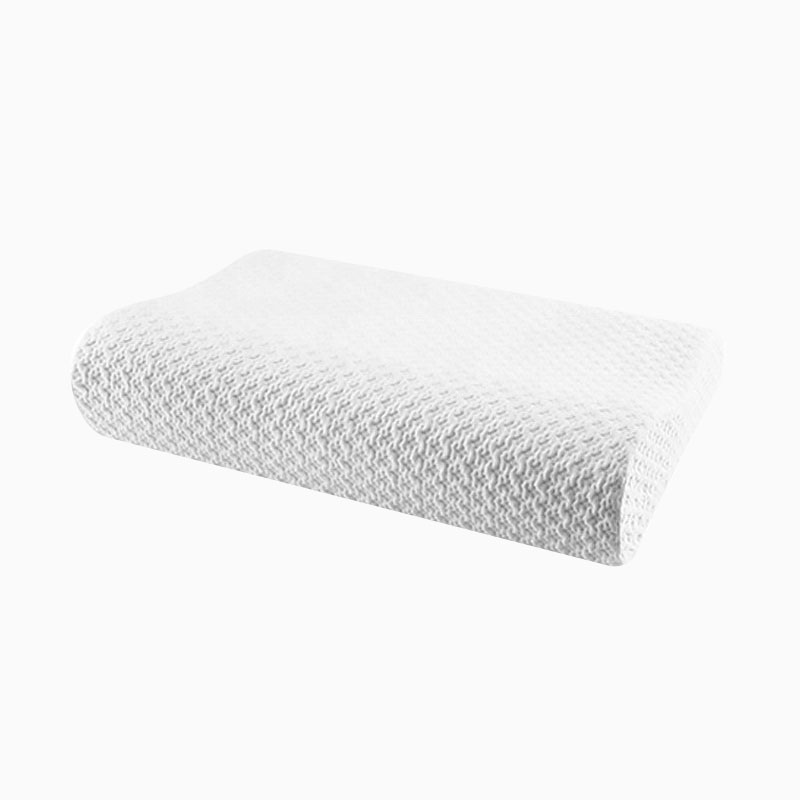
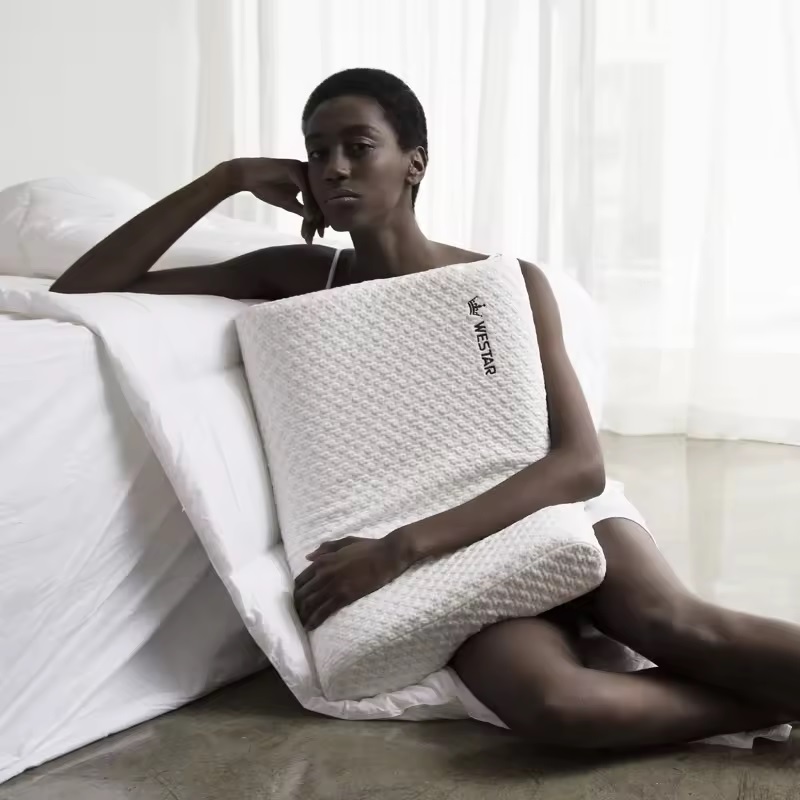
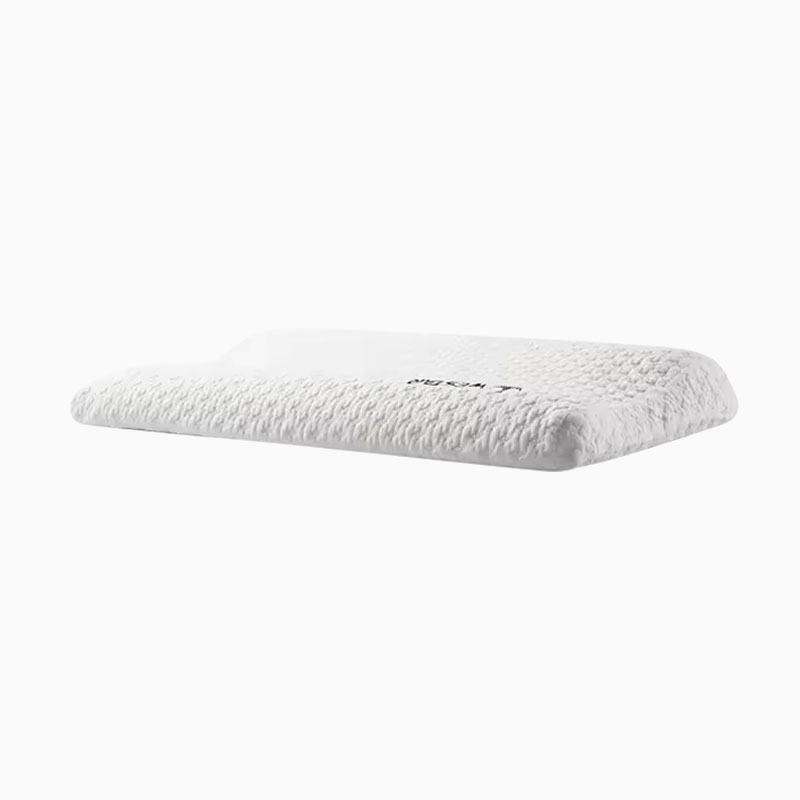

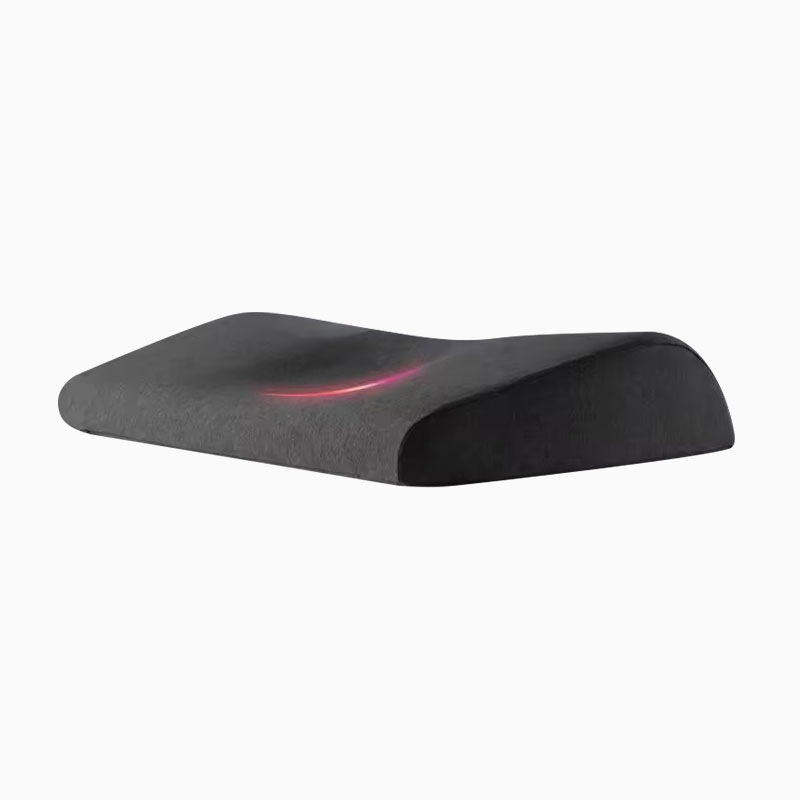
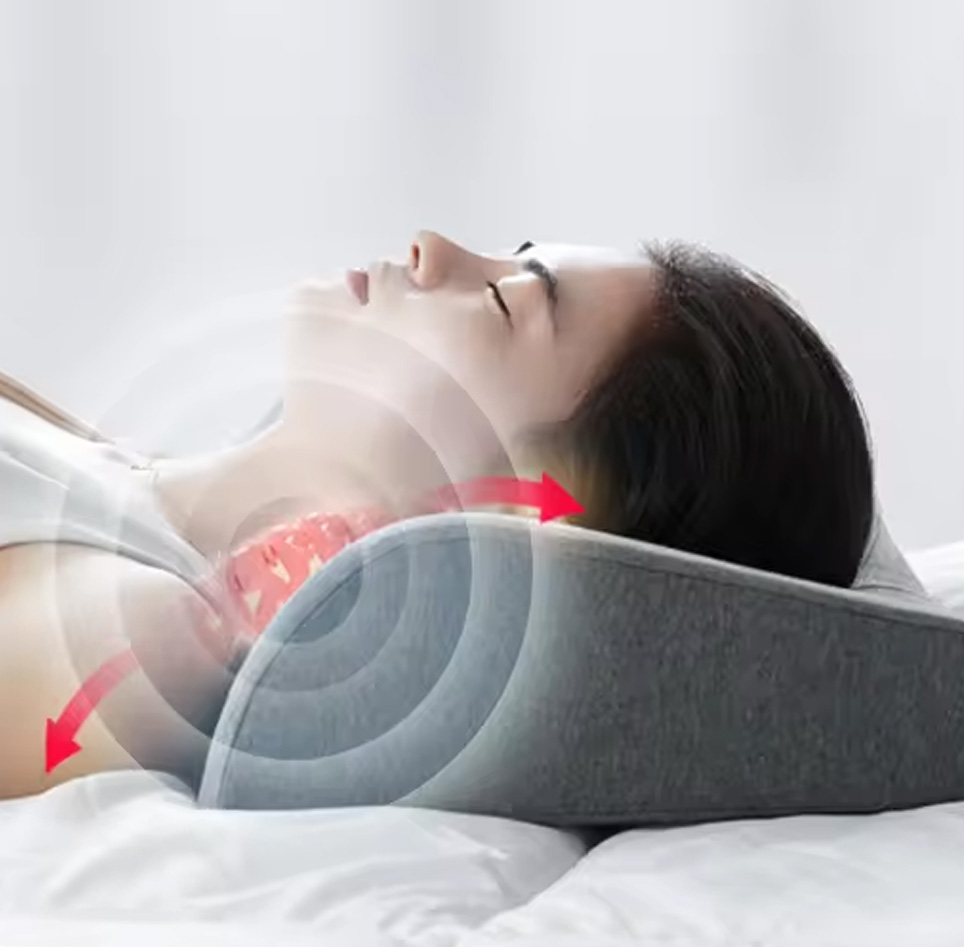
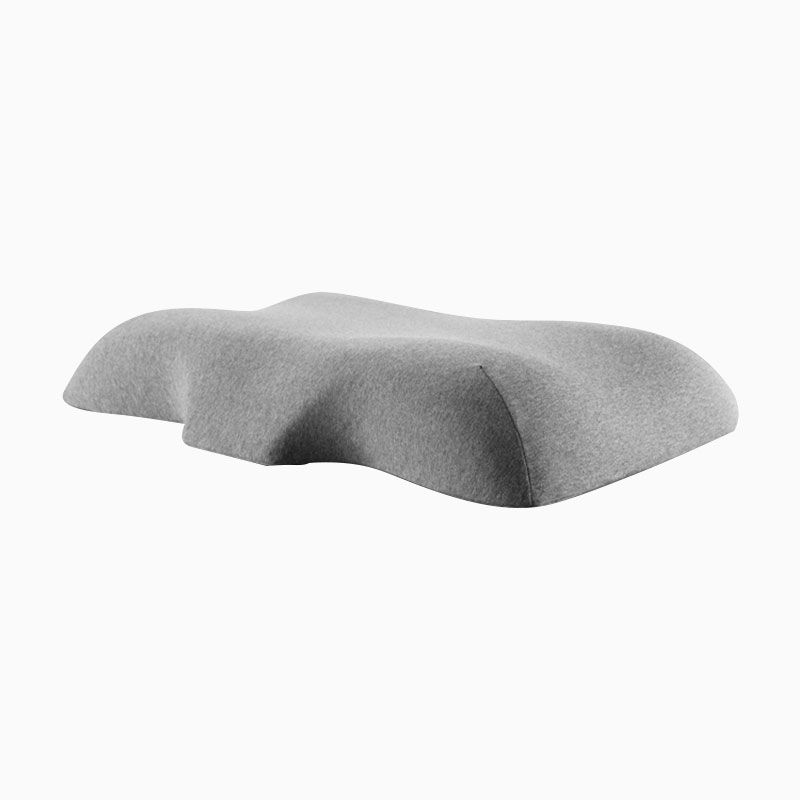
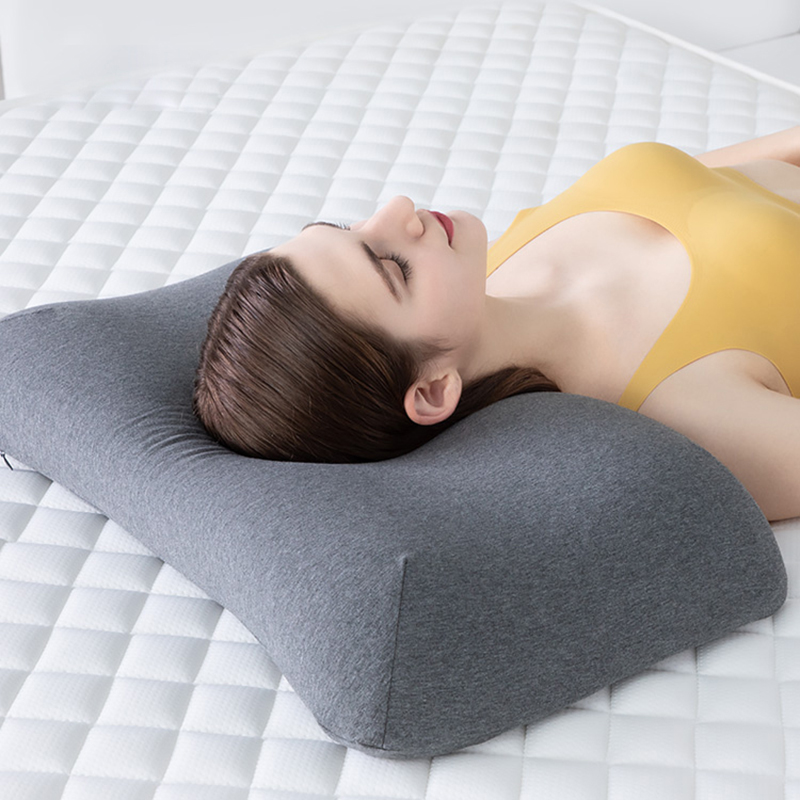

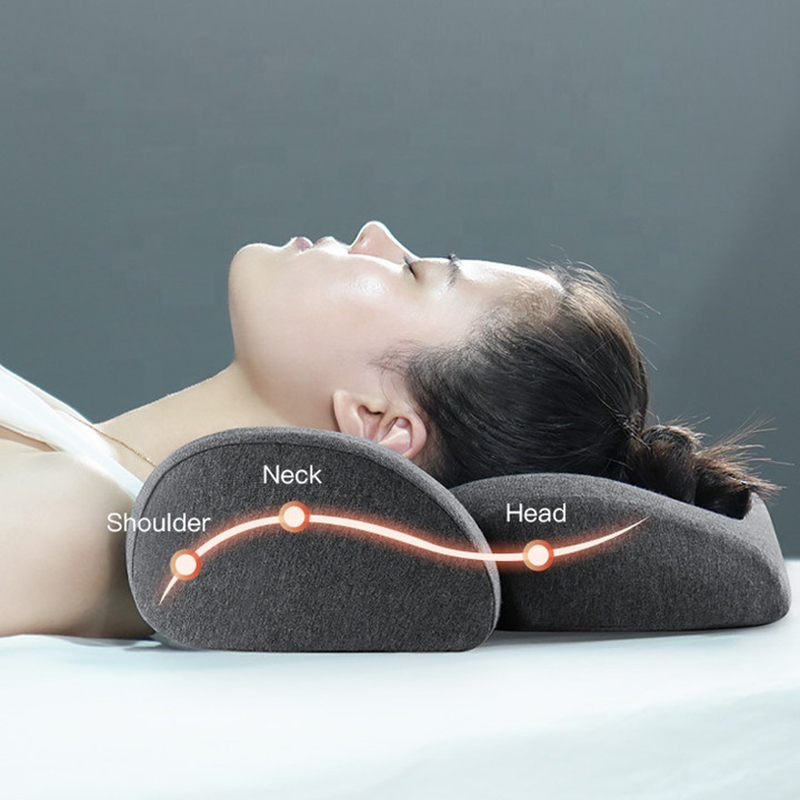
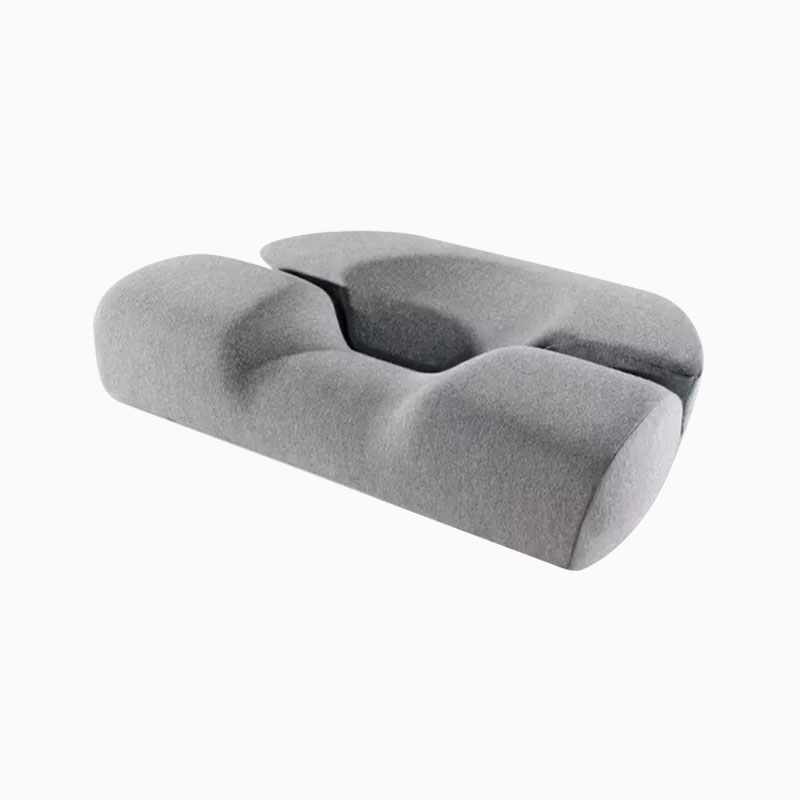
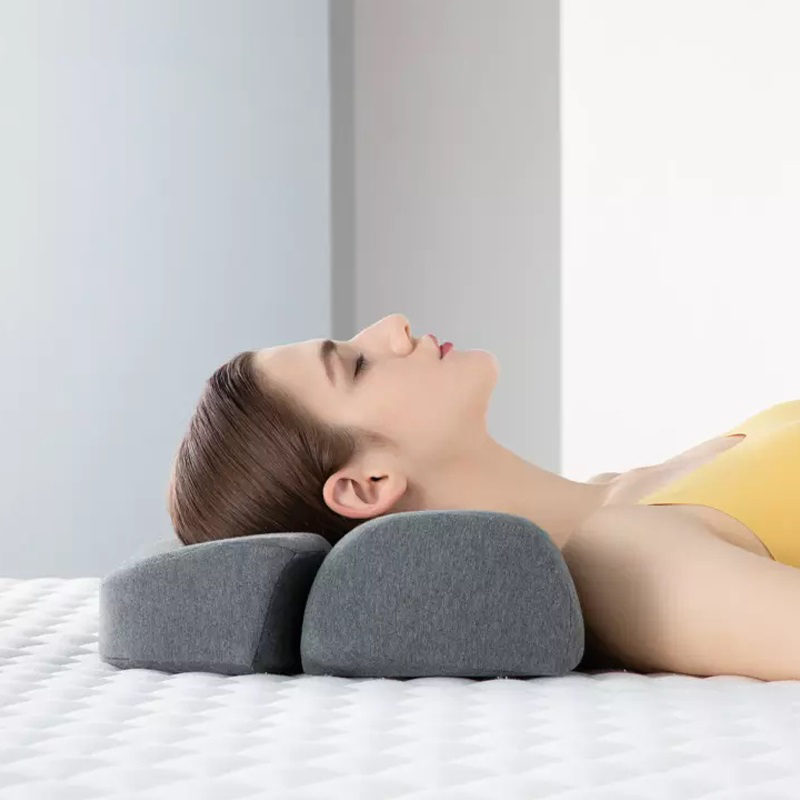

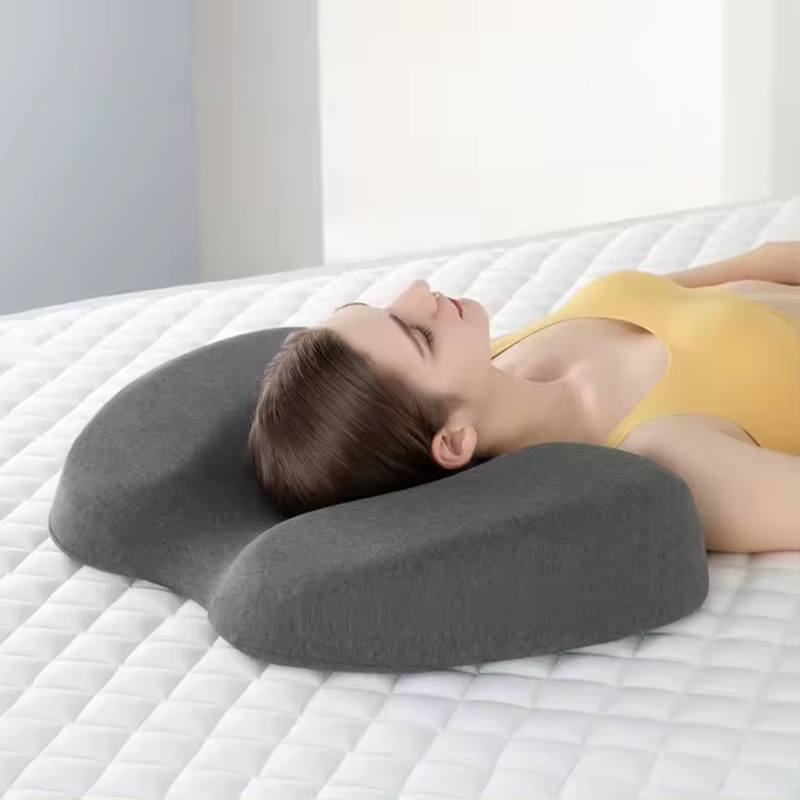
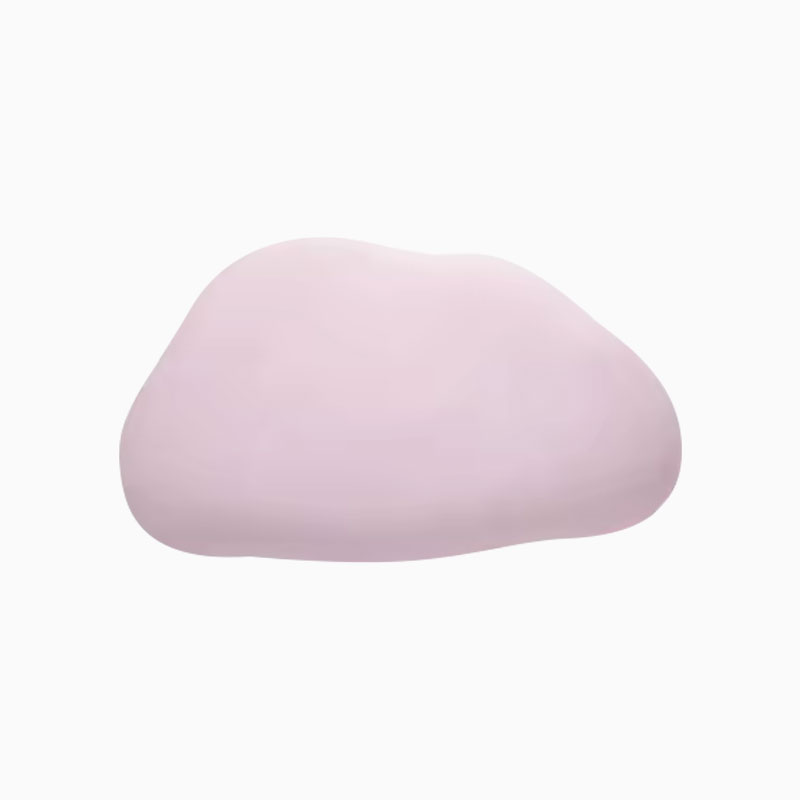
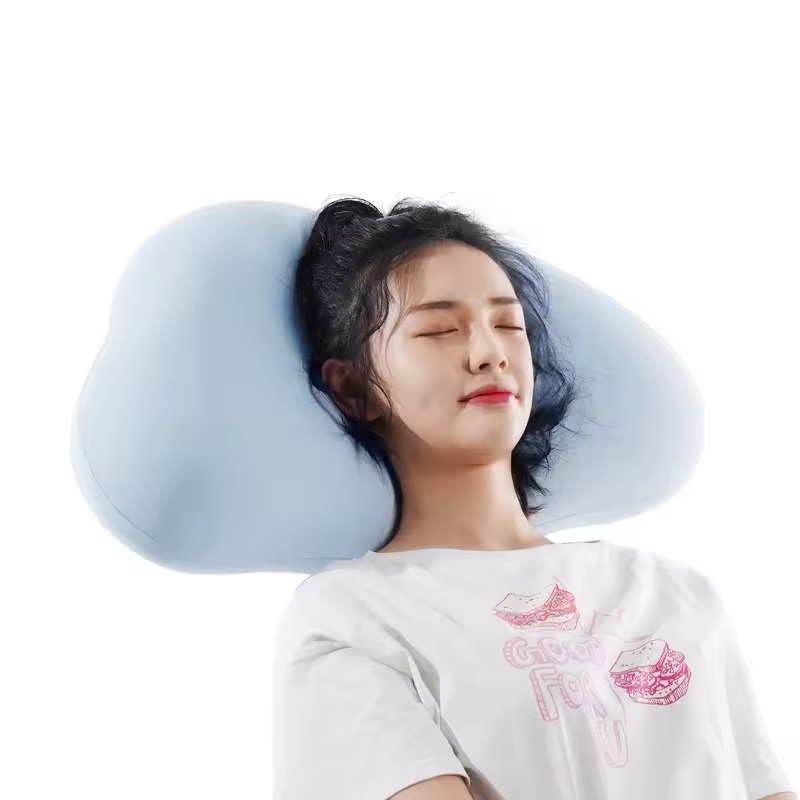

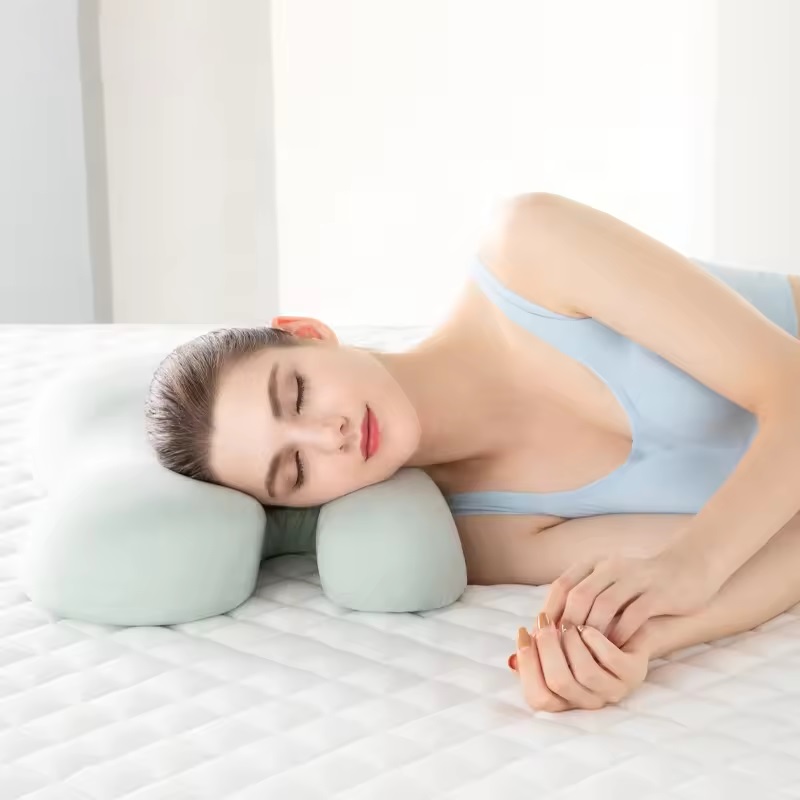
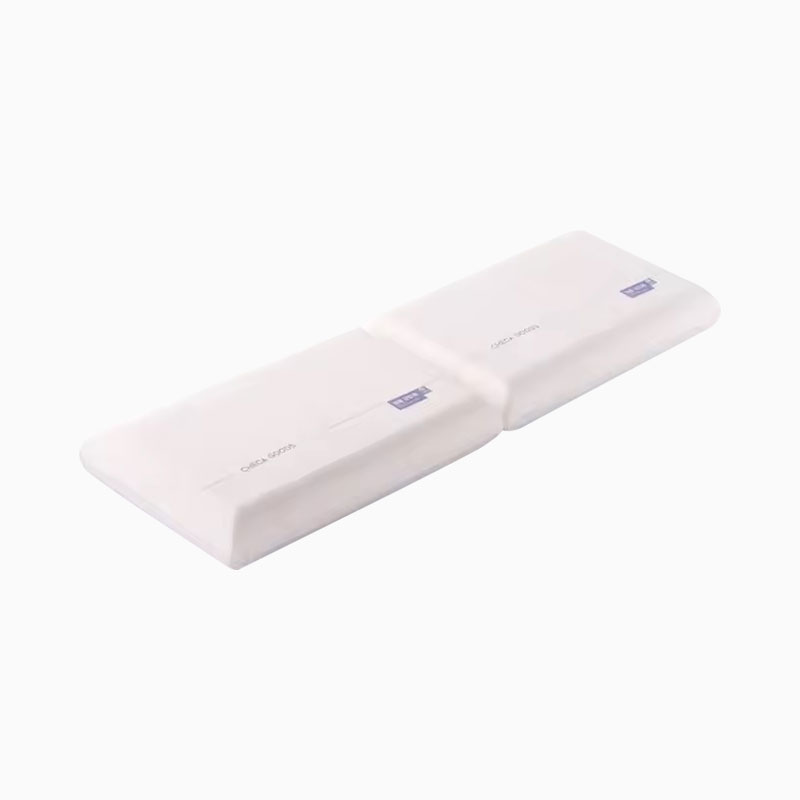
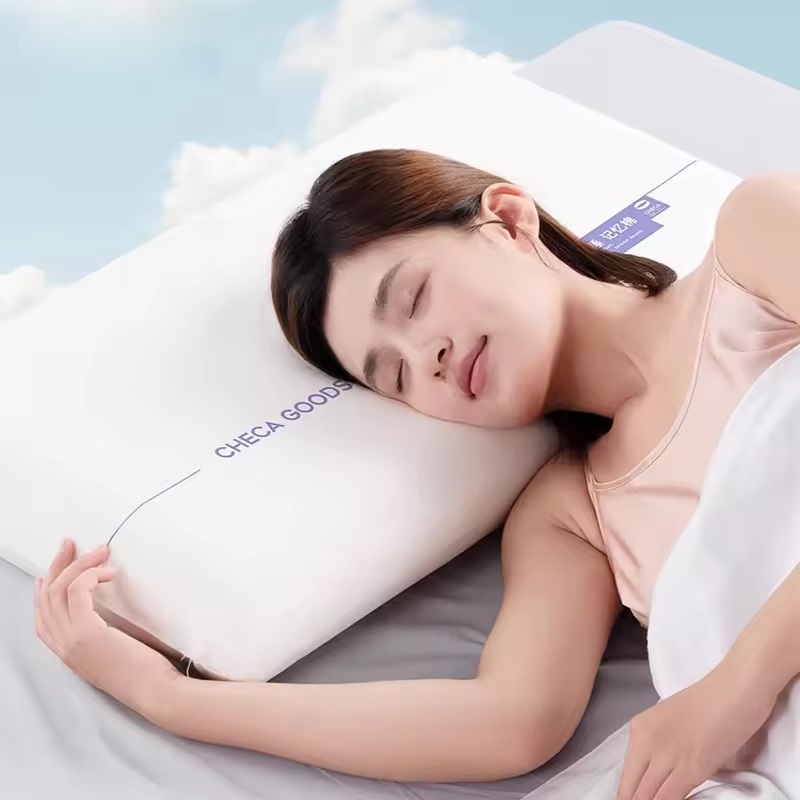

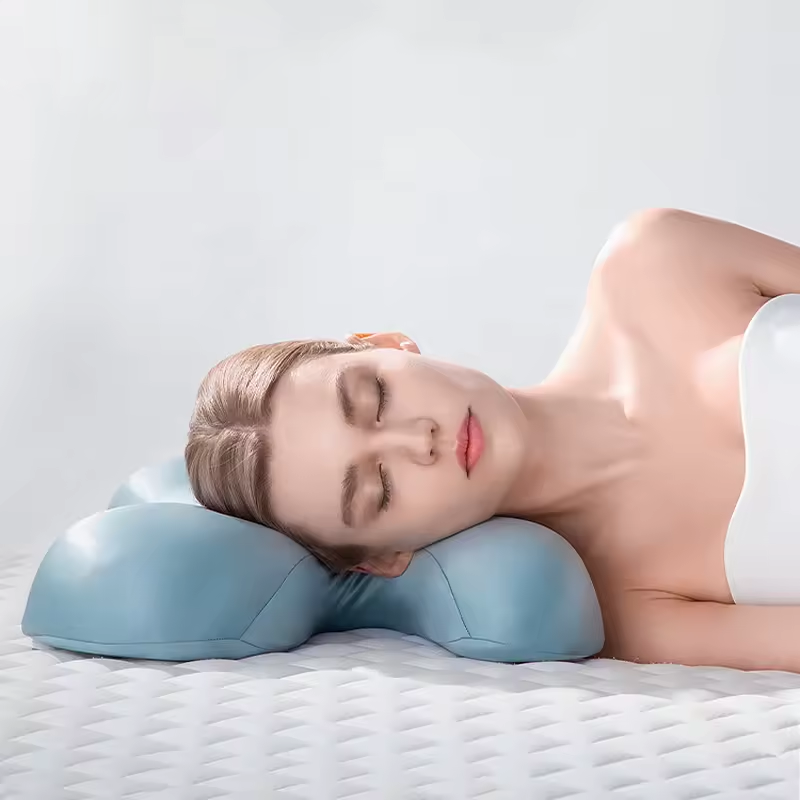
Bravo's patented memory foam pillow is engineered to conform to the unique shape of your head and neck, providing unparalleled comfort and support. Made from memory foam, these pillows respond to heat and pressure, molding themselves to the contours of your body for a personalized sleep experience.
Memory foam pillows are engineered to adapt to the unique contours of your head and neck, providing unparalleled comfort and support. Not only does it conform to your body, but it also distributes weight evenly, reducing stress on your neck and shoulders. This results in a more restful, relaxing sleep, helping you wake up feeling energized and ready to take on the day.
Our pillows are made from premium materials that are hypoallergenic and dust-mite resistant, making them suitable for people with allergies or respiratory issues. They are also designed to maintain their shape and support over time, ensuring a long-lasting, comfortable sleep experience.

About Us
Quality Assured Integrated Memory Foam Manufacturing Service Provider
Nantong Bulawo Home Textile Co,.Ltd. established in 2016, is located in Nantong City Jiangsu Province the coastal city. As a famous China Memory Foam Pillow Manufacturers and Memory Foam Pillow Suppliers. We have our factory. It has abundant resources, convenient transportation, and enough electricity. It has standard factory rooms and Spacious grounds. Our factory area is over 6000 square meters. We have more than 47 employees and 3 stylists. Most of our products obtained several R&D patents. The products are sold all over the world, such as USA, Korea and Japan. We specialize in the development, manufacturing, marketing, and service of ergonomic memory foam pillows, seat cushions, back support pillows, travel pillows, and so on. If you would like to OEM your brand to expand the market, please contact us.
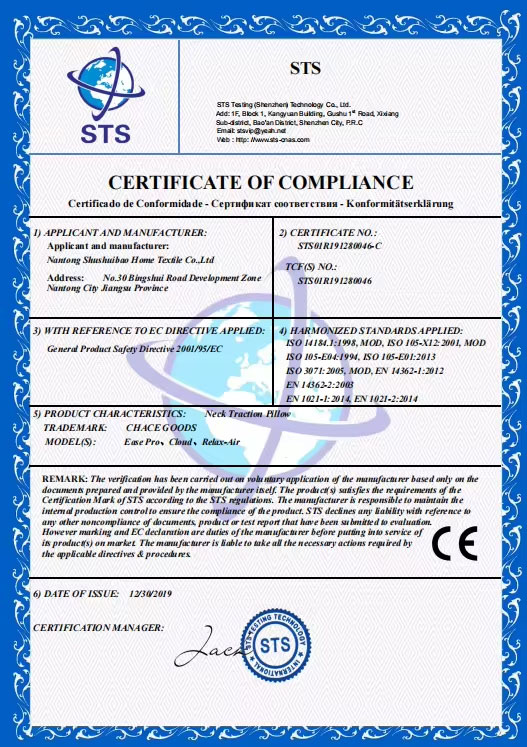
Honor

News
-
Industry News 2026-03-11
Modern Sedentary Crisis: The Solution of Memory Foam Lumbar Cushion In today’s digital work environment, the human body faces unprecedented challenges...
View More -
Climate Regulation and Back Support: Which is Better for Hot and Humid Regions, Latex or Memory FoamIndustry News 2026-03-04
In tropical or subtropical regions characterized by high heat and humidity, choosing the right lumbar support is not just about Spinal Alignment; it i...
View More -
Industry News 2026-02-25
For frequent business travelers and international flyers, the rigid seats of airplane cabins and the temporary office chairs in hotels are primary cul...
View More -
Industry News 2026-02-18
Why Your Chair Might Be Hurting Your Back Sitting and Spinal Pressure In modern office environments, we spend most of our time sitting. While sitting ...
View More
Contact us now
Memory Foam Pillow Industry Knowledge
1. Starting Your Journey with Memory Foam Pillows
Memory Foam Pillows have become a top choice for individuals seeking high-quality sleep. This unique material has revolutionized our sleeping experience due to its unparalleled comfort, support, and durability.
The Core Concept of Memory Foam Pillows: What is Memory Foam?
Memory foam (Memory Foam), also known as Visco-elastic Polyurethane Foam, is a material sensitive to temperature and pressure. Its core characteristic is the famous "slow rebound" capability: when you lie down, the memory foam does not immediately bounce back but slowly conforms to the heat and weight of your head and neck, forming a perfect, customized "mold." Once the pressure is removed, it slowly returns to its original shape. It is this unique quality that allows memory foam pillows to offer balanced support unmatched by traditional down or polyester fiber pillows.
The Popularity of Memory Foam Pillows: Why are They So Sought After?
With the increasing focus on health and sleep quality, memory foam pillows have rapidly gained popularity for their superior neck pain relief and ability to ensure spinal alignment. More people are realizing that a suitable pillow is key to improving sleep and preventing chronic neck discomfort.
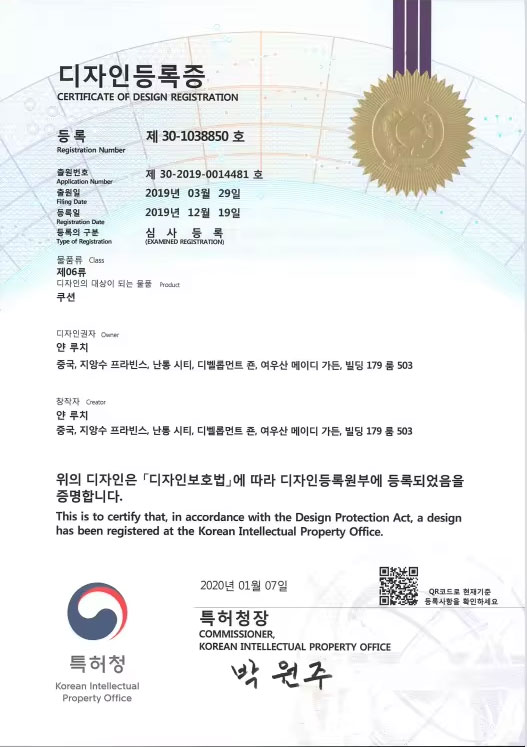
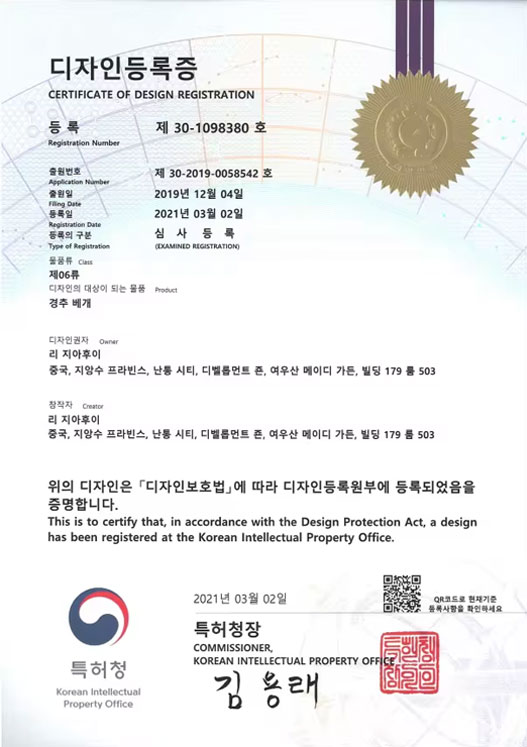
Nantong Bulawo Home Textile Co,.Ltd. specializes in the development, manufacturing, marketing, and service of ergonomic memory foam pillows, seat cushions, back support pillows, travel pillows, and other products. Established in 2016 in Nantong City, Jiangsu Province, we operate a factory area exceeding 6000 square meters, supported by over 47 employees and 3 dedicated stylists. Most of our products have obtained several R&D patents, and are sold globally in markets such as the USA, Korea, and Japan. This expertise ensures we provide the most professional advice.
2. What is a Memory Foam Pillow? In-Depth on its Technology and History
Definition and Composition of Memory Foam Pillows
The core of a memory foam pillow is a blend of polyurethane and certain chemicals added to increase viscosity and density. Variations in density directly affect the pillow's firmness and lifespan.
| Characteristic | Description | Impact on the Pillow |
| Composition | Visco-elastic Polyurethane Foam | Imparts the pillow's temperature and pressure-sensitive properties. |
| Density | Weight per cubic foot, usually measured in lbs/ft³ | Higher density means better support and greater durability. |
| Viscosity | The "flow" ability of the foam, determining shaping and slow rebound speed | Affects how quickly the pillow conforms to the body and rebounds. |
History and Development of Memory Foam Technology
Memory foam does not originate from the bedding industry; it has an unexpected "space resume." It was initially developed by NASA researchers in the 1960s to improve crash protection and comfort in aircraft seating. Its original purpose was to absorb impact and evenly distribute pressure. In the 1980s, the technology was commercialized and applied in the medical field to relieve pressure points and bedsores in patients. Until the 1990s, memory foam was introduced to the mattress and pillow market, completely redefining our understanding of comfort and support.
How Memory Foam Works: Achieving Personalized Support
The reason memory foam pillows offer the best pillow experience lies in their two key reactions:
- Reaction to Heat: Your body heat softens the memory foam, making it easier to shape.
- Reaction to Pressure: The weight of your head causes the memory foam to sink and cradle your neck and head.
This dual reaction ensures that the memory foam pillow perfectly fits the natural curve of the cervical spine. At Nantong Bulawo Home Textile Co,.Ltd., we focus on developing products with these precise ergonomic characteristics, ensuring that every pillow offers customized support when you lie down, thereby maximizing your sleep quality.
3. Five Core Benefits of Using Memory Foam Pillows
Memory Foam Pillows are more than just comfortable bedding; they are a tool for improving nighttime rest and maintaining physical health. Here are five key benefits of using memory foam pillows:
3.1 Superior Pressure Relief (Superior Pressure Relief)
Traditional pillows often cause the head's weight to concentrate on a few pressure points. In contrast, memory foam's unique visco-elasticity allows it to fine-tune its shape according to the body's contours, achieving even weight distribution.
- Mechanism: Memory foam "cradles" your head and neck, distributing pressure evenly over a larger surface area.
- Benefit: This even distribution significantly reduces strain on key pressure points, improves circulation, minimizes tossing and turning during sleep, and ultimately enhances overall sleep quality.
3.2 Maintaining Optimal Spinal Alignment (Maintaining Optimal Spinal Alignment)
This is one of the most highly regarded advantages of memory foam pillows. Regardless of whether you are a side, back, or stomach sleeper (though stomach sleeping is not recommended), a quality memory foam pillow ensures your neck and spine remain in natural, straight alignment.
| Pillow Type | Support Effect | Spinal Alignment Result |
| Traditional (Non-Memory Foam) | Unstable support, prone to flattening | Can easily lead to neck bending or twisting, causing spinal imbalance. |
| Memory Foam Pillows | Provides customized and firm support | Fills the gap in the neck, ensuring the head and spine remain on a natural horizontal line. |
Correct spinal alignment is crucial for relaxing neck muscles and preventing morning stiffness and pain.
3.3 Potential for Pain Alleviation (Potential for Pain Alleviation)
Due to memory foam provides constant and personalized support, it is widely used to alleviate chronic pain associated with poor sleeping posture.
- Neck Pain and Headaches: By stabilizing the cervical spine, memory foam pillows reduce nighttime muscle tension, thereby effectively providing neck pain relief and relief from tension headaches caused by improper posture.
- Addressing Specific Conditions: For individuals with skeletal or joint issues like cervical spondylosis or arthritis, stable support is particularly vital. Through precise support, memory foam pillows can alleviate strain on affected areas, helping sufferers achieve more comfortable rest at night. Nantong Bulawo Home Textile Co,.Ltd. as a company focused on ergonomic memory foam pillows, concentrates its R&D on designing products that maximize support and pressure relief.
3.4 Hypoallergenic Properties (Hypoallergenic Properties)
Unlike down or traditional cotton pillows, the structural properties of high-density memory foam naturally make it hypoallergenic.
- Density Advantage: The dense structure of memory foam makes it difficult for dust mites, mold, fungi, and other allergens to penetrate and breed within it.
- Benefit: This makes memory foam pillows an ideal hypoallergenic pillow choice for people with allergies, asthma, or those sensitive to indoor air quality.
3.5 Motion Isolation (Motion Isolation)
One of the inherent characteristics of memory foam material is its ability to absorb and isolate movement.
- Mechanism: When one part of the pillow is subjected to pressure, this deformation generally does not transfer to other areas of the pillow.
- Benefit: While motion isolation is less critical for a pillow than a mattress, for couples sharing a bed, it means that even if a partner moves during the night, they will not be disturbed by pillow vibrations or quick rebound, thus helping to maintain sleep quality.
4. In-Depth Analysis of Different Memory Foam Pillow Types
While all memory foam pillows share the properties of slow rebound and pressure relief, manufacturers have developed various types by altering fillings and infusion technologies to meet different sleep needs. Understanding these differences is key to choosing the best pillow.
4.1 Traditional Solid Memory Foam Pillows (Traditional Memory Foam Pillows):
- Description: These pillows are made from a single, solid block of molded memory foam, featuring uniform density and thickness. They are typically shaped into a standard rectangle, providing consistent and stable support.
- Suitable for: Individuals who prefer a fixed pillow shape, consistent support, and do not need to adjust the pillow's height or firmness.
- Ideal Sleeping Positions: Back sleepers and side sleepers who prefer medium firmness.
4.2 Contour Memory Foam Pillows/Ergonomic Pillows (Contour Memory Foam Pillows):
- Description: These pillows feature the most ergonomic design, often characterized by a wavy or recessed shape with different height levels. The higher side is used to support the neck, while the lower recess cradles the head.
- Benefit: This shape is specifically designed to enhance neck and shoulder support, promoting more accurate spinal alignment. Contour pillows are particularly effective for individuals seeking neck pain relief.
- Company Focus: At Nantong Bulawo Home Textile Co,.Ltd., we focus heavily on developing ergonomic memory foam pillows. Our contour pillow designs are precisely calculated to ensure the cervical spine remains in the optimal neutral position during sleep.
4.3 Shredded Memory Foam Pillows (Shredded Memory Foam Pillows):
- Description: The pillow interior is filled with thousands of small memory foam pieces, rather than a solid block. These pieces can move freely.
- Advantages:
- Adjustability: Users can add or remove filling as needed, easily adjusting the pillow loft and firmness.
- Breathability: Air channels exist between the shredded pieces, significantly improving the pillow's breathability and alleviating the heat retention issues sometimes found in traditional memory foam pillows.
- Suitable for: Individuals who prefer a highly moldable, soft support, and the ability to personalize the height.
4.4 Gel-Infused Memory Foam Pillows (Gel-Infused Memory Foam Pillows):
- Description: Cooling gel beads or particles are infused into the memory foam during manufacturing, or a layer of gel is applied to the pillow surface.
- Benefit: A common drawback of traditional memory foam is its heat retention, which can cause discomfort. Gel infusion technology significantly improves temperature regulation by absorbing and accelerating the dissipation of heat from the pillow's surface, offering a cooler sleeping experience for hot sleepers.
| Pillow Type | Main Advantage | Temperature Regulation Ability |
| Traditional Memory Foam | Stable support, pressure relief | Poor (Prone to heat retention) |
| Gel-Infused Memory Foam | Stable support, pressure relief | Excellent (Absorbs and disperses heat via gel) |
4.5 Latex Memory Foam Pillows (Latex Memory Foam Pillows):
- Description: These pillows combine the properties of natural or synthetic latex foam with the support of memory foam. Latex is a more resilient foam with a faster rebound speed, complementing the slow rebound of memory foam.
- Difference: Latex foam offers a more "bouncy" and "responsive" support, while memory foam provides a cradling sensation.
- Advantage: Combines the natural material benefits and durability of latex with the pressure relief characteristics of memory foam.
5. How to Choose the Right Memory Foam Pillow
Choosing the best pillow is a personalized process; there is no "one-size-fits-all" answer. The key is to match the pillow's characteristics to your unique sleeping habits, body structure, and health needs.
5.1 Your Sleeping Position Determines Your Pillow Choice (Sleeping Position)
Sleeping position is the primary factor when considering pillow firmness and loft, as the pillow's task is to fill the gap between the head and the mattress, ensuring spinal alignment.
| Sleeping Position | Recommended Pillow Type | Recommended Characteristics | Purpose/Principle |
| Side Sleepers | Contour or solid block memory foam pillow | High Loft, Medium-Firm to Firmer | Fills the large gap between the shoulder and neck, preventing the head from drooping. |
| Back Sleepers | Contour or adjustable shredded foam pillow | Medium Loft, Medium Firmness | Supports the natural curve of the cervical spine, keeping the head level. |
| Stomach Sleepers | Very thin or shredded foam pillow (with some filling removed) | Low Loft, Soft | Minimizes neck twisting and pressure. |
5.2 Pillow Firmness Level (Pillow Firmness Level)
Firmness affects comfort, but more importantly, support. The pillow's firmness should be coordinated with your body weight and mattress firmness.
- Soft: Suitable for stomach sleepers or lighter-weight back sleepers.
- Medium: An ideal balance point, suitable for most back sleepers and side sleepers who prefer a softer feel.
- Firm: Provides enough support for side sleepers and those with broader shoulders to maintain spinal alignment.
5.3 Pillow Height (Loft) and Spinal Alignment (Pillow Loft and Spinal Alignment)
Loft refers to the pillow's height when unused. Choosing the wrong loft is a major reason for failed neck pain relief.
- Loft too High: Forces your head to lift up or bend down.
- Loft too Low: Causes your neck to sink excessively.
Nantong Bulawo Home Textile Co,.Ltd. has a professional design team (over 3 stylists). When designing our ergonomic memory foam pillows, we precisely calculate the curves of different heights to meet the ideal loft requirements for various sleeping positions.
5.4 Material Density and Quality Certification (Material Density and Quality Certification)
The durability and stability of the pillow's support primarily depend on the density of the memory foam.
| Density Level | Range (lbs/ft³) | Characteristics | Recommendation |
| Low Density | < 4.0 | Softer, quicker rebound, lower durability | Suitable for temporary use or those on a budget. |
| Medium Density | 4.0 - 5.0 | Good support, high-cost performance | The ideal choice for most users. |
| High Density | > 5.0 | Strong support, long lifespan, strong cradling sensation | Suitable for those needing strong pressure relief or high durability requirements. |
Furthermore, looking for certifications like CertiPUR-US is crucial. This certification ensures the memory foam is manufactured without ozone depleters, PBDEs, TCEP, and other harmful substances, safeguarding your health and safety.
5.5 Matching Pillow Size (Matching Pillow Size)
Pillow size selection typically depends on the bed size and your personal movement space.
- Size Options: Standard, Queen, and King sizes.
- Matching Advice: Choosing a Standard size is usually sufficient to provide the support needed for sleep quality, while larger sizes offer more head movement space.
5.6 Cooling Features for Hot Sleepers (Cooling Features for Hot Sleepers)
If you naturally sleep warm, please be sure to pay attention to the pillow's cooling technology to avoid the heat retention issue of traditional memory foam.
- Features: Gel-infused memory foam, ventilation channels, and breathable pillow covers made of materials like bamboo fiber or phase change materials.
5.7 Pillow Cover Material Selection (Pillow Cover Material)
The pillow cover directly contacts the skin, and its breathability and moisture-wicking properties greatly affect comfort.
- Common Materials: High-quality cotton, bamboo fiber, polyester, etc. Bamboo fiber and cotton generally offer better breathability and moisture-wicking capabilities.
6. Common Mistakes to Avoid When Buying Memory Foam Pillows
Although Memory Foam Pillows can significantly improve sleep quality and pain relief, incorrect purchasing decisions can lead to new discomfort. Avoiding the following common mistakes will ensure you choose the best pillow for you.
Mistake One: Ignoring Sleeping Position Recommendations
This is the most common mistake. Many people only judge a pillow's comfort by feel but ignore whether it matches their sleeping position, thus failing to achieve ideal spinal alignment.
| Wrong Sleeping Position/Pillow Match | Potential Consequence | Correct Matching Principle |
| Side Sleeper using Low Loft pillow | Neck bends too far down, leading to shoulder and neck pain. | Must choose a pillow with high enough Loft to fill the gap. |
| Back Sleeper using High Loft pillow | Head is forced too far up, leading to neck stiffness. | Should choose Medium Loft to keep the neck in a neutral position. |
Mistake Two: Choosing the Wrong Firmness Level
Incorrect firmness choice directly affects the pillow's ability to provide neck pain relief.
- Too Soft: The pillow lacks sufficient support, and the head sinks too much, causing the spine to curve.
- Too Firm: The pillow lacks contouring ability, failing to fit the neck curve, leading to concentrated pressure.
When selecting firmness, you must consider your body weight and mattress firmness. For example, if your mattress is soft and your body sinks more, you may need a slightly lower pillow to maintain balance.
Mistake Three: Overlooking the Importance of Material Quality
Buying poor-quality memory foam pillows just to save money often costs more in the long run.
| Risks of Poor-Quality Memory Foam | Guarantees of High-Quality Memory Foam |
| Poor Durability | Retains shape for a long time, not prone to flattening. |
| Support Force Insufficient | Continues to provide consistent support, maintaining spinal alignment. |
| Harmful Gases (Off-gassing) | Has certifications like CertiPUR-US, ensuring material safety and no harmful substances. |
As a company specializing in the production of ergonomic memory foam pillows, Nantong Bulawo Home Textile Co,.Ltd. understands the importance of material quality. Our goal is to develop durable and safe patented products to ensure users receive lasting support and comfort from our pillows.
Mistake Four: Hot Sleepers Not Considering Cooling Features
Traditional memory foam's high insulating property is a major drawback. If a hot sleeper purchases a solid memory foam pillow without cooling design, it will likely lead to overheating at night, affecting deep sleep.
- Correction: Hot sleepers should actively seek out pillows with cooling technology, such as gel-infused memory foam, ventilated foam, or pillow covers made of breathable materials like bamboo fiber.
Mistake Five: Immediately Giving Up When Discomfort Occurs
Memory foam pillows require a short "adjustment period."
- Adjustment Period: Especially for those transitioning from traditional pillows to contour or high-density memory foam pillows, your body may need a few days to two weeks to adapt to the new support and alignment.
- Recommendation: While you might feel slight discomfort during the first week of using a new pillow, if this discomfort persists for more than two weeks, it likely indicates that the pillow's firmness or height is genuinely unsuitable for you.
7. Care and Maintenance of Memory Foam Pillows
Proper care and maintenance are crucial for extending the lifespan of Memory Foam Pillows and ensuring they continue to provide excellent support and sleep quality. Due to the special nature of memory foam material, its cleaning methods differ significantly from traditional pillows.
7.1 Cleaning Instructions and Precautions (Cleaning Instructions and Precautions)
Memory foam material is sensitive to moisture, so you need to be extra careful:
| Item to Clean | Cleaning Method | Precautions |
| Pillow Body (Foam Block) | Spot Cleaning Only | NEVER machine wash or soak. Water washing will damage the memory foam structure, causing it to disintegrate or lose its slow rebound property. |
| Pillow Cover | Refer to manufacturer instructions, usually machine washable | Always remove before cleaning and follow the label instructions for water temperature and wash cycle. |
| Odor Treatment | Place in a well-ventilated area, or sprinkle with baking soda and let sit for a few hours before vacuuming. | Ensure the pillow is completely dry; avoid direct sunlight (high heat can harden the memory foam). |
7.2 Protecting Your Pillow: Covers and Protectors (Protecting Your Pillow)
Using appropriate protective measures is the easiest way to maintain pillow hygiene.
- Pillow Cover: Usually removable and machine washable.
- Pillow Protectors: Using a waterproof or anti-allergic protector is recommended. They provide an extra barrier outside the pillow cover, effectively preventing sweat, stains, and skin oils from seeping into the memory foam body, thus maintaining the cleanliness and hygiene of the memory foam pillow and enhancing its performance as a hypoallergenic pillow.
7.3 Restoring Shape: Fluffing and Ventilation (Fluffing and Shaping)
Unlike Shredded Memory Foam Pillows, solid memory foam pillows do not require fluffing to restore loft. However, regular ventilation and proper maintenance are still important:
- Shredded Foam Pillows: Need to be periodically patted or shaken to redistribute the internal filling, restore pillow loft, and prevent clumping.
- Solid Block Pillows: Should be regularly removed from the bed and placed in a well-ventilated area to "breathe," dispelling absorbed moisture and any residual odors.
7.4 Lifespan and Replacement: When to Say Goodbye to Your Pillow (Lifespan and Replacement)
Memory foam pillows are generally more durable than traditional pillows, but they are not eternal.
- Average Lifespan: High-quality memory foam pillows (especially high-density products) can typically last 3 to 5 years or even longer.
- Signs for Replacement:
- Loss of Rebound: The pillow returns to its original shape too quickly or too slowly when pressed, or fails to rebound at all.
- Permanent Indentations: Obvious permanent dips or "flattened" areas appear on the pillow surface.
- Hardening or Softening: The texture of the memory foam changes significantly, becoming unusually hard or too soft, no longer providing ideal neck pain relief and spinal alignment.
Nantong Bulawo Home Textile Co,.Ltd. is committed to providing high-quality, durable ergonomic memory foam pillows. Following the correct care guidelines, you will be able to fully utilize the long-term support and comfort offered by our patented products.
8. FAQ
Here are some common questions and answers about Memory Foam Pillows to help you make informed purchasing and usage decisions.
Q1: Do Memory Foam Pillows Have an Odor?
A: Many new memory foam products, especially upon unpacking, may emit a slight scent known as "off-gassing." This is due to the release of volatile organic compounds (VOCs) remaining from the manufacturing process.
- Answer: This odor is generally harmless, but if you are sensitive to smells, it is recommended to place the pillow in a well-ventilated area (such as near an open window) for 24 to 72 hours until the odor dissipates.
- Quality Assurance: Nantong Bulawo Home Textile Co,.Ltd., in producing memory foam pillows, strives to meet strict international safety standards and minimizes this odor by selecting high-quality, low-VOC emission materials. Choosing pillows with certifications like CertiPUR-US is crucial for ensuring material safety.
Q2: Can Memory Foam Pillows Really Relieve Neck Pain?
A: Yes, high-quality memory foam pillows are highly effective for neck pain relief, provided you choose the correct type.
- Principle: Memory foam, through its customized contouring ability, ensures the cervical spine receives stable, all-around support during sleep, preventing excessive muscle strain or nerve compression, thereby maintaining spinal alignment.
- Key Factor: The key to pain relief is that the pillow's Loft and Firmness whether it perfectly matches your sleeping position (side, back, stomach). For example, ergonomic memory foam pillows (like the contour type) are specifically designed to improve the cervical curve and are particularly effective.
Q3: How Do I Know If My Memory Foam Pillow is Too High or Too Low?
A: Your body will send clear signals:
| Pillow Problem | Body Signal (Usually in the Morning) |
| Pillow Too High | Neck stiffness, shoulder and upper back pain, chin forced towards the chest. |
| Pillow Too Low | Head tilted backward, neck muscles overstretched, or feeling like the head is slipping down during the night. |
A suitable pillow should make your neck feel in a straight line with your spine when you are relaxed.
Q4: Do Memory Foam Pillows Get Hot Easily?
A: Traditional solid memory foam, due to its high density, does tend to retain heat more than down or polyester pillows, which can be an issue for hot sleepers.
- Solution: Modern technology has addressed this problem. Choose pillows with cooling features, such as gel-infused memory foam, shredded foam filling (shredded memory foam pillows), or designs with ventilation channels. These innovations effectively absorb, disperse, and dissipate heat, improving sleep quality.
Q5: Can I Wash My Memory Foam Pillow in a Washing Machine?
A: Absolutely not.
- Cleaning Contrast: The memory foam pillow body (foam block) and the machine-washable pillow cover must be treated separately. Memory foam foam absorbs a significant amount of water when submerged, leading to structural damage, loss of its visco-elasticity and support, and difficulty in fully drying, which can encourage mold growth.
- Correct Method: Always Spot Clean the memory foam body and ensure it is fully air-dried.
Q6: Are Memory Foam Pillows Hypoallergenic?
A: Yes. Due to the high density of memory foam, there is minimal internal space, which naturally inhibits the breeding of allergens like dust mites and mold, making it an ideal hypoallergenic pillow choice.
Copyright © 2023 Nantong Bulawo Home Textile Co,.Ltd. All Rights Reserved
