 English
 عربى
عربىAre Memory Foam Pillows Good for a Stiff Neck? The Manufacturer's Guide
You wake up with a dull ache on one side of your neck, tilt your head, and immediately replay yesterday: hours at the desk, too much screen time, or the pillow you bought last month. After nine years of producing memory foam pillows in our own factory, we have seen the same pattern repeated in customer feedback again and again — the pillow is almost always part of the problem.
Quick answer: Yes, memory foam pillows are generally good for a stiff neck — but only when the loft, density, and contour profile match your body type and sleeping position. When those three factors align, the foam supports the natural curvature of the cervical spine and reduces morning stiffness. When they do not, even a high-end pillow can make the pain worse.
This article explains how memory foam works for neck support, why some pillows still fail, and exactly what to check before choosing one — whether you are buying for yourself or planning a private label product line.
Why Memory Foam Works for a Stiff Neck
Memory foam was originally developed for aerospace seating, and its core property — viscoelasticity — is exactly what a stiff neck needs during sleep. The material softens under body heat and recovers its shape slowly, which lets it conform to the head and neck without pushing back aggressively.
That behaviour creates three practical benefits:
- Even pressure distribution across the entire cervical curve, instead of concentrated pressure under the skull.
- A neutral spinal position that prevents the neck muscles from being stretched or compressed for hours.
- Absorption of micro-movements during the night, reducing the chance of waking up twisted or frozen.
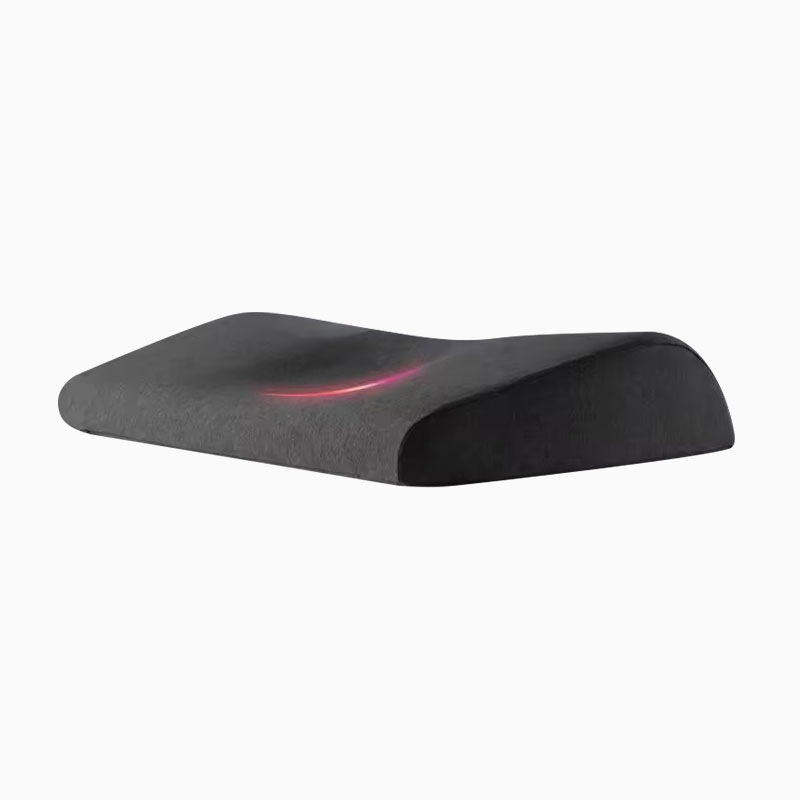
A well-designed contour profile takes this further. A pillow with a central cradle and raised side wings keeps the head from rolling sideways and maintains the natural C-shape of the cervical spine. If you want to understand the design logic behind this, our orthopedic neck contour bed pillow is a practical example of how a contoured shape supports the neck through the night.
Why a Memory Foam Pillow Can Still Leave You Stiff
Memory foam is not a magic material. The same foam can relieve neck pain for one person and cause it for another. In our factory testing and after-sales data, the most common failure points are:
- Incorrect loft. A pillow that is too high pushes the head upward and bends the neck sideways; one that is too low lets the head sink and strains the upper trapezius.
- Low foam density. Soft, low-density foam bottoms out under the head, leaving the cervical spine without support.
- Shape mismatch. A flat pillow cannot provide the same support as a contoured one; a deep contour may not suit a short neck or narrow shoulders.
- Aged foam. Memory foam has a typical service life of two to three years. Once it loses resilience, the pillow becomes a source of pain instead of support.
If you already own a memory foam pillow and wake up stiff, use the table below to narrow down the cause.
| Morning symptom | Most likely cause | What to check |
|---|---|---|
| Sharp pain on one side of the neck | Pillow loft too high for shoulder width | Measure compressed loft; side sleepers usually need 10–16 cm |
| Pain at the base of the skull, headache | Pillow too soft; head sinks and chin drops | Press the foam; if it compresses more than 2 cm under head weight, consider higher density |
| Soreness in the front of the neck or throat | Pillow too high; cervical spine over-extended | Reduce loft or switch to a lower-profile contour |
| Stiffness that increases during the night | Foam has degraded with age | Check for permanent indentation; replace the pillow every 2–3 years |
| No change in pain at all | Pillow shape incompatible with sleeping position | Re-assess your dominant sleeping position and choose a matching contour |
How to Choose the Right Memory Foam Pillow for a Stiff Neck
Choosing a pillow for neck pain is not about brand or colour; it is about measurable specifications. Four factors matter most.
1. Match loft to your sleeping position
Loft means the compressed height of the pillow when your head rests on it. It is by far the most common mistake we see. A side sleeper needs enough height to fill the gap between the ear and the outside of the shoulder; a back sleeper needs a lower loft to preserve the cervical curve; a stomach sleeper needs the thinnest pillow to avoid twisting the neck.
The ranges are approximate. Shoulder width and mattress softness shift the ideal height, but the principle is the same: the cervical spine should stay horizontal from the front view and maintain its natural curve from the side view.
2. Check density and hardness
Foam density is expressed in kilograms per cubic metre (kg/m³). In our production facility, we classify 30–35D as entry level, 40–45D as the sweet spot for cervical support, and 50D and above as firm. For a stiff neck, a pillow below 35D usually lacks the resistance needed to hold the head in alignment. Hardness is separate from density and measures surface feel, but both determine whether the foam supports or collapses. We have published a separate density vs hardness analysis that explains the interaction in detail.
3. Choose a contour that matches your body
A contoured cervical pillow with a central depression and raised side supports is usually better for neck pain than a flat slab of foam. But the contour must match your neck length and shoulder width. A deep contour on a short neck can push the head too far forward; a shallow contour on a long neck will not support the base of the skull. If possible, choose a pillow with multiple loft heights or a shape that follows the natural lordotic curve rather than a generic wave shape.
4. Do not ignore heat and cover fabric
Memory foam is naturally heat-retentive. Ventilated foam, gel layers, bamboo charcoal additives, and breathable mesh covers all reduce heat accumulation. A removable, washable cover also extends the service life and keeps the pillow hygienic. For a stiff neck, the extra comfort of a cool sleep surface matters because muscle tension decreases when the neck is not overheating.
Recommended Memory Foam Pillows for a Stiff Neck
If you are evaluating memory foam pillows and want products with controlled density and a contour designed around cervical anatomy, the following three Bravo pillows are produced in our own factory and are commonly selected by customers dealing with neck stiffness:
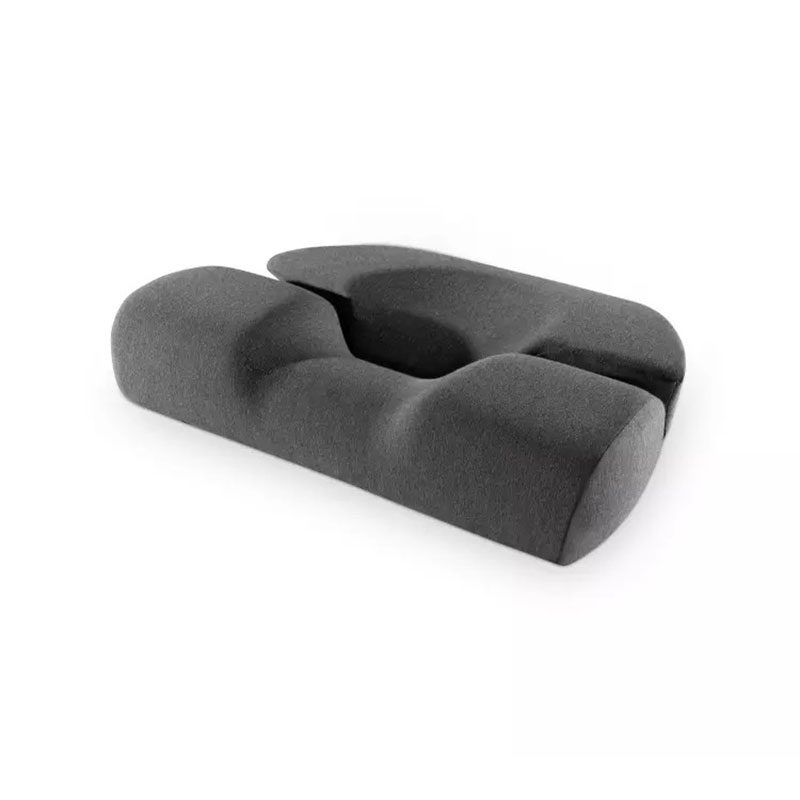
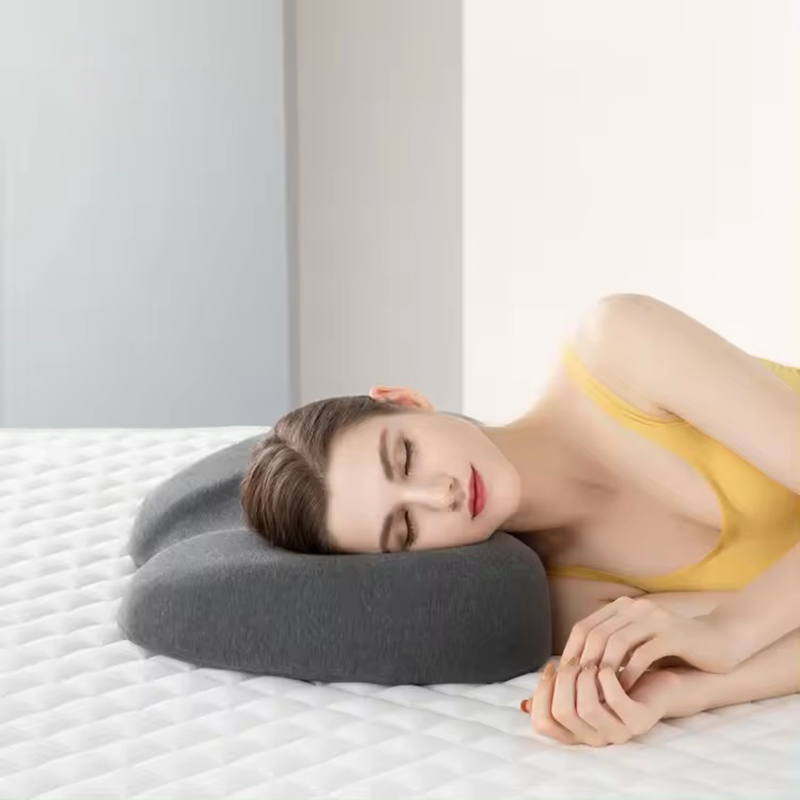 Cervical Support Orthopedic Pillow with 3D Partition DesignThis memory foam pillow offers a 3D partition design for multi-angle cervical care, with a removable, washable outer cover and options for bamboo charcoal or space foam filling.View Product →
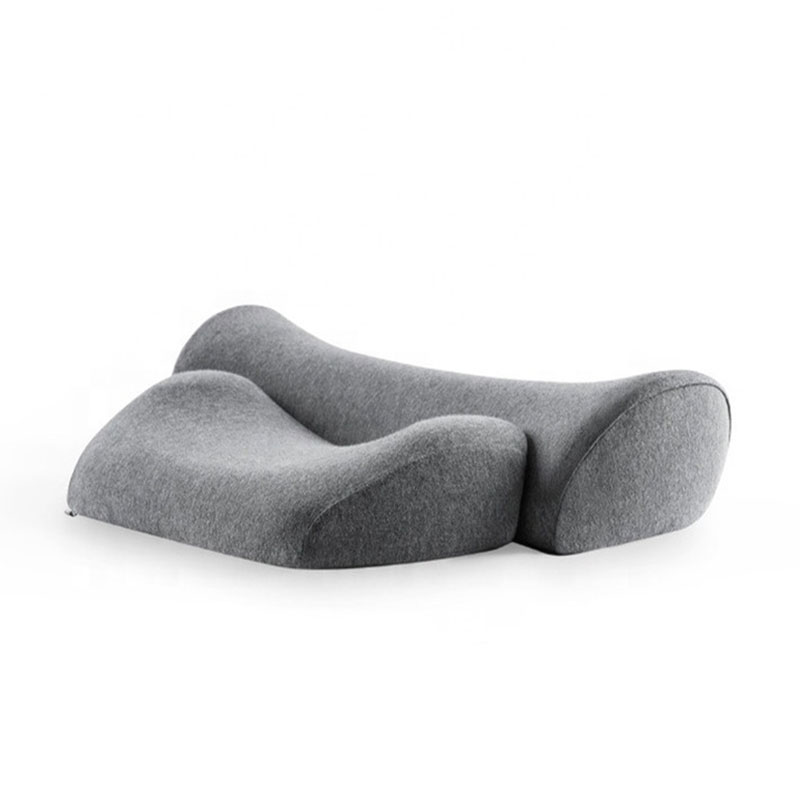
 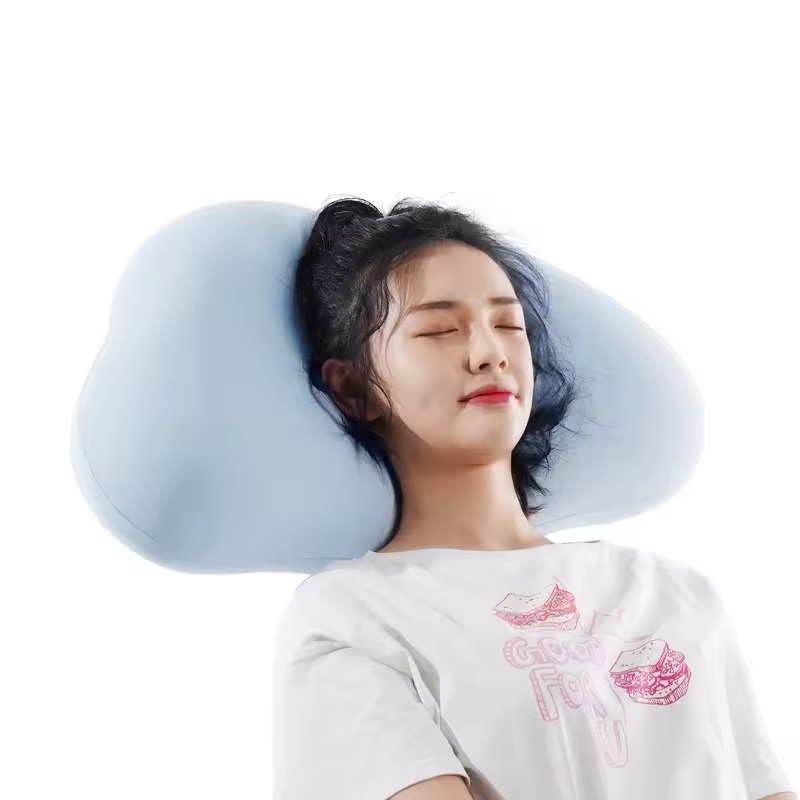 Ergonomic Cloud-Shaped Memory Foam Neck PillowMade with non-temperature-sensing memory foam, this ergonomic pillow features a double-layer cover and ergonomic height to relieve neck and shoulder tension throughout the night.View Product →
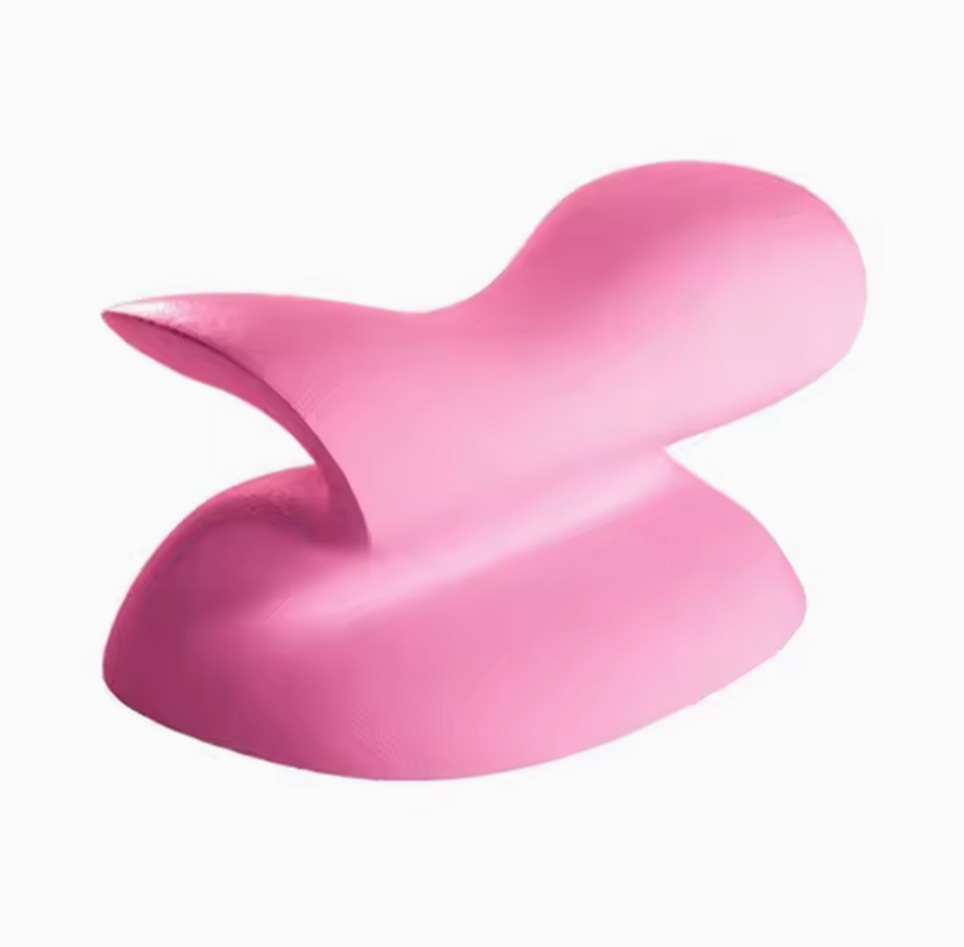
 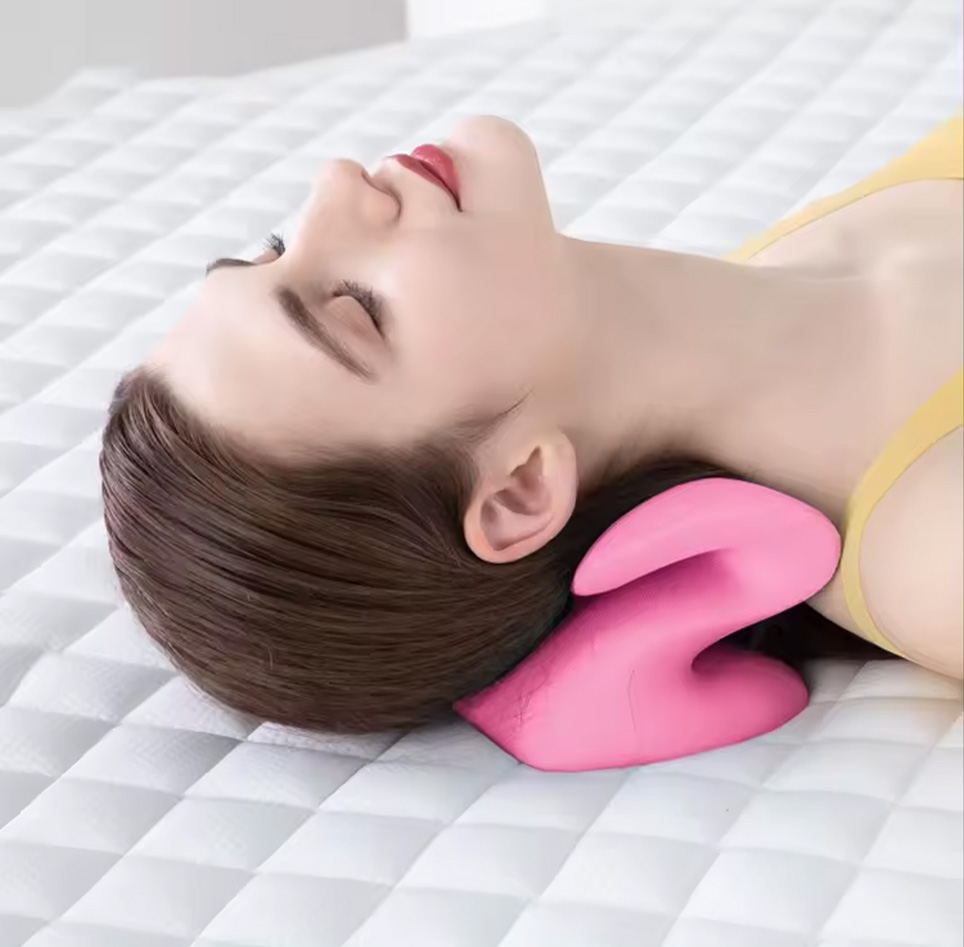 Bravo Shoulder Relaxer Foam-Filled Neck Traction PillowDesigned as a cervical traction device, this polyurethane pillow offers S and Z height options for gentle or stronger stretch, helping improve cervical curve and relieve neck pain in about ten minutes daily.View Product →
Each pillow is manufactured with slow-rebound foam and a contour that keeps the cervical spine in a neutral position. If you are unsure which shape fits your body, the factory team can evaluate your drawings or sample requirements and recommend a suitable density and loft.
What to Check When Sourcing Memory Foam Pillows
Whether you are an importer, a retailer, or a brand planning to launch your own memory foam pillow collection, the physical specification of the pillow determines your return rate. There are four points we recommend every sourcing conversation includes.
- Density consistency. Ask the supplier for the foam density written into the specification sheet, then verify it on the finished product. A pillow labelled 40D should not measure 32D after production.
- Shape tolerance. Contoured pillows can vary by several millimetres between production runs. Define acceptable tolerances — in our factory, we control contour dimensions within ±5 mm.
- Material certification and durability. Check the foam's compression set, cell structure, and any third-party compliance documentation. A low-density foam will permanently deform within months.
- Design customization and patent protection. If you are building a brand, work with a manufacturer that has its own original designs and registered patents. Our factory holds design patents in China and the United States, and we offer OEM/ODM services that keep the entire development chain under one roof — from contour drawing to sample to mass production.
Because our factory controls the formulation, molding, and quality inspection process, we can adjust loft, density, and contour profile for specific market needs. For buyers, that means you are not limited to a catalogue; you can specify a pillow that matches the neck-care needs of your target users.
Frequently Asked Questions
Are memory foam pillows good for a stiff neck?
Yes, for most people, when the pillow's loft, density, and contour match the sleeper's body type and position. Memory foam distributes pressure evenly and supports the cervical curve, which reduces the muscle strain that causes morning stiffness.
How long does it take for a memory foam pillow to relieve neck pain?
Mild discomfort can last the first three to seven nights as the neck adjusts to the new support. If there is no improvement after two weeks, re-check the loft and contour; the pillow may not match your body geometry. If pain persists or worsens, stop using it and consult a medical professional.
What loft should a memory foam pillow have for a side sleeper?
A compressed loft between 10 and 16 cm is a typical starting point for side sleepers, with larger-framed sleepers at the top of the range. The goal is to keep the cervical spine horizontal when viewed from the front.
Can a memory foam pillow make neck pain worse?
It can, if the loft is too high, the density is too low, or the contour does not fit your neck length. Degraded old foam also turns a supportive pillow into a poor one. These problems are correctable by checking the actual specifications rather than relying on the label.
Contoured or flat memory foam — which is better for a stiff neck?
A contoured cervical pillow is generally better because it supports the neck curve directly and prevents the head from rolling out of alignment. A flat memory foam pillow is comfortable but does not offer the same level of structural support for a stiff neck.
How often should I replace a memory foam pillow?
Every two to three years is a practical guideline. If the foam no longer springs back, keeps an indentation, or the neck pain has gradually returned, replace the pillow before it worsens the condition.
Final Thoughts and Recommendations
So, are memory foam pillows good for a stiff neck? Yes — for most sleepers — if you choose by specification rather than by marketing. Focus on compressed loft, foam density, contour shape, and the quality of the raw foam. Buy from a manufacturer that can document the density and tolerances of the product, and select a contour that matches your sleeping position and shoulder width.
For brands and retailers, the same logic applies when sourcing. A pillow that is built with consistent density and a proven contour will sell better, generate fewer returns, and create repeat customers. That is the standard we apply to every memory foam pillow leaving our factory, and it is the standard you should expect from any supplier.
 previous post