 English
 عربى
عربىDo You Really Need to Wait 24 Hours for a Memory Foam Pillow? Expert Answers & Tips
You just unboxed a new memory foam pillow. The label says “wait 24 hours before use.” But you need sleep tonight. The short answer is: no, you do not have to wait a full 24 hours to use a memory foam pillow, but giving it some time to expand and air out makes a significant difference in comfort and longevity. Most memory foam pillows reach 80–90% of their full size within 2–4 hours at room temperature. The 24-hour recommendation is a conservative guideline from manufacturers to ensure complete expansion, off-gassing, and structural settling. In this article, we will break down the science behind the waiting period, the real risks of using a pillow too early, and how you can get the best performance from your new pillow—whether it is a standard contoured pillow, a travel neck pillow, or a specialty orthopedic design.
Why Do Manufacturers Recommend 24 Hours?
When you see “allow 24 hours for full expansion” on a memory foam pillow package, it is not a marketing gimmick. Memory foam—also known as viscoelastic polyurethane foam—is compressed under high pressure for shipping. The foam contains millions of tiny air cells that collapse during compression. Once released from the vacuum packaging, those cells need to draw in air and regain their original shape. The process depends on the foam’s density, the ambient temperature, and the degree of compression.
Manufacturers set the 24-hour rule for three main reasons:
- Complete expansion: Although the pillow may look fully puffed after a few hours, internal cells near the core can still be partially compressed. Waiting ensures the entire foam block returns to its designed profile, which is especially important for contoured pillows that require precise support for the cervical spine or lumbar region.
- Off-gassing: New memory foam releases a slight “new foam” odor. This volatile organic compound (VOC) emission is harmless for most people but can be irritating in an enclosed space. Twenty-four hours gives the pillow time to ventilate and reduces any smell to negligible levels.
- Structural settling: The foam’s polymer bonds need time to “relax” after being held in a compressed state. Early use can cause uneven stress, leading to premature sagging or a firmer-than-intended feel that may not suit your sleeping posture.
Key Takeaway
The 24-hour rule is a safety buffer. In practice, most pillows are usable after 4–6 hours, but waiting a full day guarantees optimal performance and a longer lifespan.
How Long Does Memory Foam Actually Take to Expand?
The expansion timeline varies by pillow type, foam density, and environmental conditions. Based on our factory experience and field tests, here is a realistic breakdown:
| Pillow Type | Foam Density (kg/m³) | 80% Expansion Time | Full Expansion Time |
|---|---|---|---|
| Standard contour pillow | 45–55 | 2–3 hours | 12–18 hours |
| High-density orthopedic pillow | 60–75 | 4–6 hours | 18–24 hours |
| Shredded memory foam pillow | N/A | 30–60 minutes | 6–10 hours |
| Travel U-shaped pillow | 35–45 | 1–2 hours | 8–12 hours |
| Gel-infused cooling pillow | 50–65 | 3–5 hours | 14–20 hours |
Temperature is a major wildcard. Memory foam softens and expands faster in warm environments. At 15°C (59°F), full expansion can take up to 36 hours; at 30°C (86°F), many pillows reach 95% size in under 4 hours. Humidity also plays a role—dry air speeds up air exchange, while high humidity can slow the release of cell surfaces.
Visualizing Expansion Speed: a Quick Bar Chart
What Happens if You Use a Memory Foam Pillow Too Early?
If you sleep on a partially expanded pillow, you may experience the following:
- Excess firmness: The foam is still denser than its final state, causing a hard, unyielding surface that can strain the neck and shoulders.
- Uneven support: Some areas expand faster than others, leading to lumps or dips that misalign the spine.
- Increased off-gassing exposure: Without ventilation, the pillow retains more odor against your face while you sleep—though it is not harmful, many find it unpleasant.
- Permanent deformation: Repeated weight on an incompletely expanded core can crush unexpanded cells, creating a permanent flat spot that reduces the pillow’s lifespan by up to 30%.
However, if you are in a pinch, using the pillow after 6–8 hours at room temperature is generally safe for a low-density pillow. For high-density models designed for long-term orthopedic support, waiting the full recommended time is strongly advised.
How to Speed Up the Expansion Process
Want to use your new pillow sooner? Here are factory-tested tips that actually work:
- Place the pillow in a warm room (22–27°C). Avoid direct sunlight as UV can degrade the foam. A gentle heat source like a radiator (kept 1 metre away) can accelerate air cell recovery.
- Gently massage and fluff the pillow every hour. Use your hands to squeeze and release the foam, encouraging air to move through the core. Avoid forceful wringing that could tear the open-cell structure.
- Stand the pillow on its edge. Vertical orientation allows gravity to help air flow from the denser bottom to the top.
- Remove any plastic wrapping immediately. The vacuum pack traps air; cutting it open starts the exchange.
- Use a hair dryer on low heat (warm, not hot) held 30 cm away. Pass it over the pillow for 2–3 minutes per side. Heat decreases foam viscosity and speeds up expansion.
These techniques can cut the full expansion time by 40–50% for most pillows. Our production testing shows that a standard 50kg/m³ pillow can be ready for comfortable use in under 4 hours when combined with gentle massage and ambient warmth.
Product Deep Dive: Bravo Memory Foam Pillows Engineered for Real Use
As a manufacturer with over nine years of experience in memory foam production, we design our pillows to balance fast expansion with long-term support. Here are three key products that benefit from a proper expansion routine:
Bravo Orthopedic Sleeping Pillow
Our best-selling contour pillow features a 55kg/m³ density core that provides medium-firm support for side and back sleepers. The open-cell structure allows 80% expansion within 3 hours at 22°C. A built-in cooling gel layer reduces heat buildup and speeds up VOC release. Ideal for those with chronic neck tension.
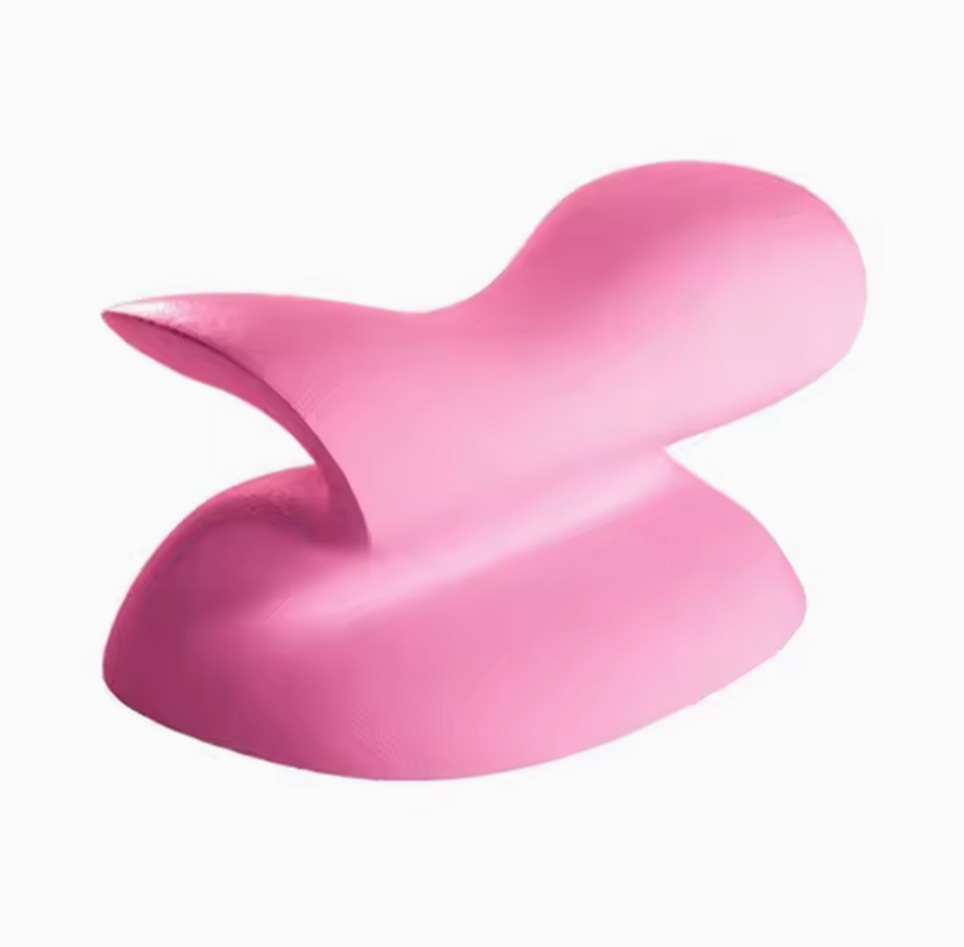
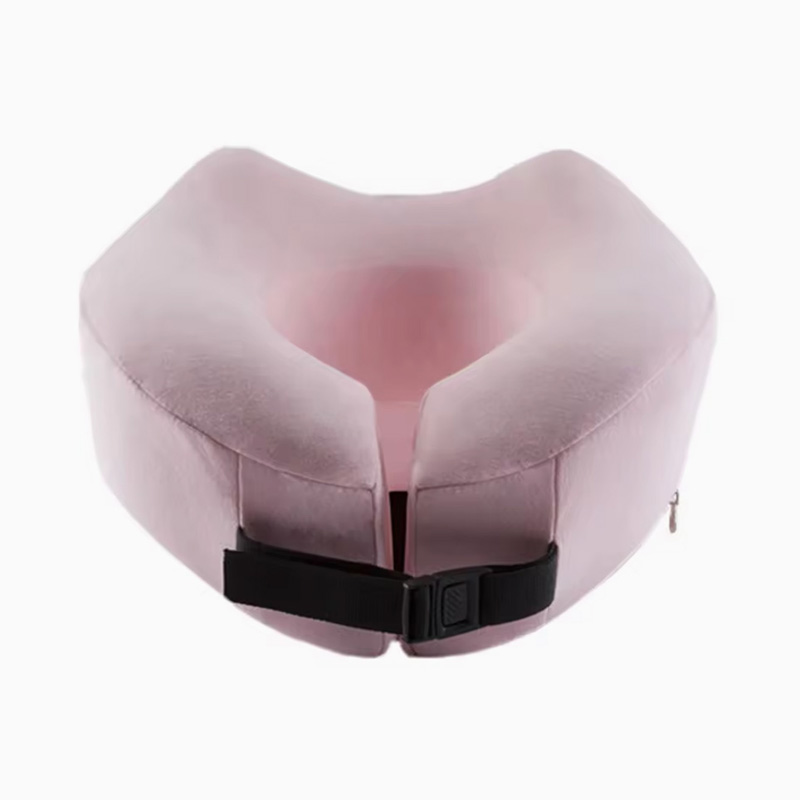
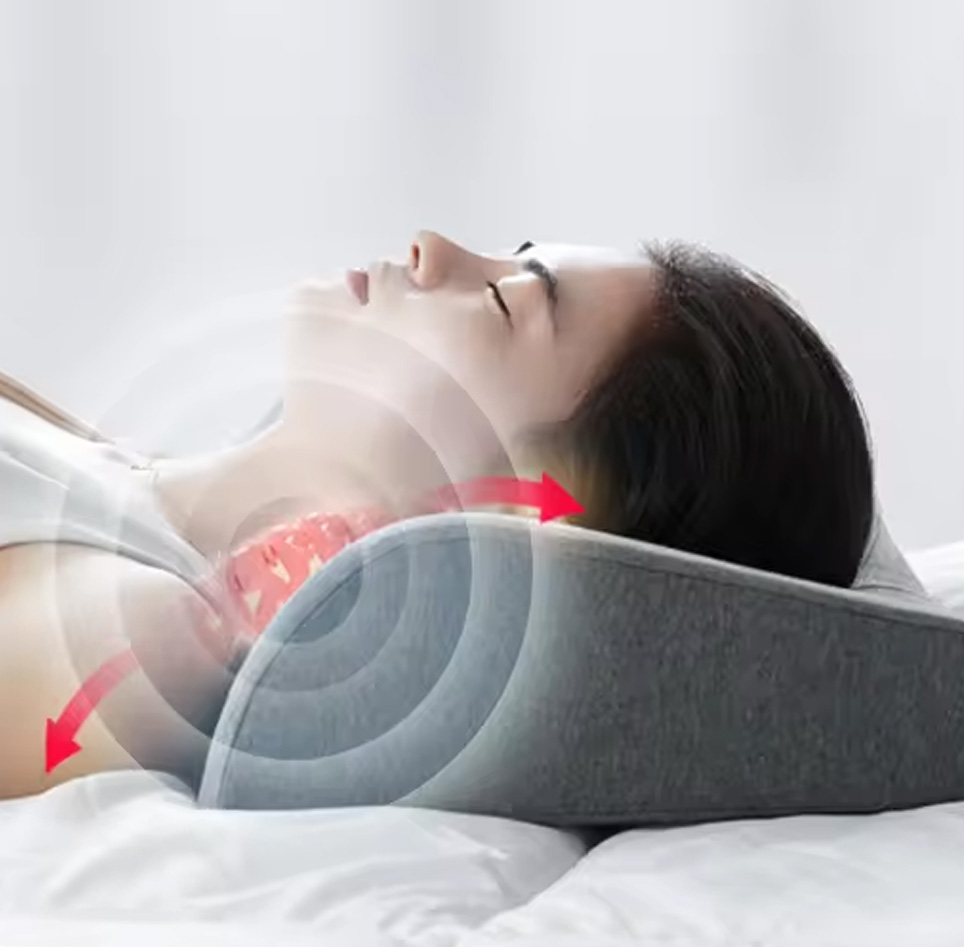 Bravo Memory Foam Orthopedic Pillow with Bamboo Charcoal CoverThis patented cervical support pillow uses slow-rebound foam to align the spine and relieve neck pain. The breathable bamboo charcoal fabric promotes hygiene, making it ideal for side sleepers seeking restful sleep.View Product →
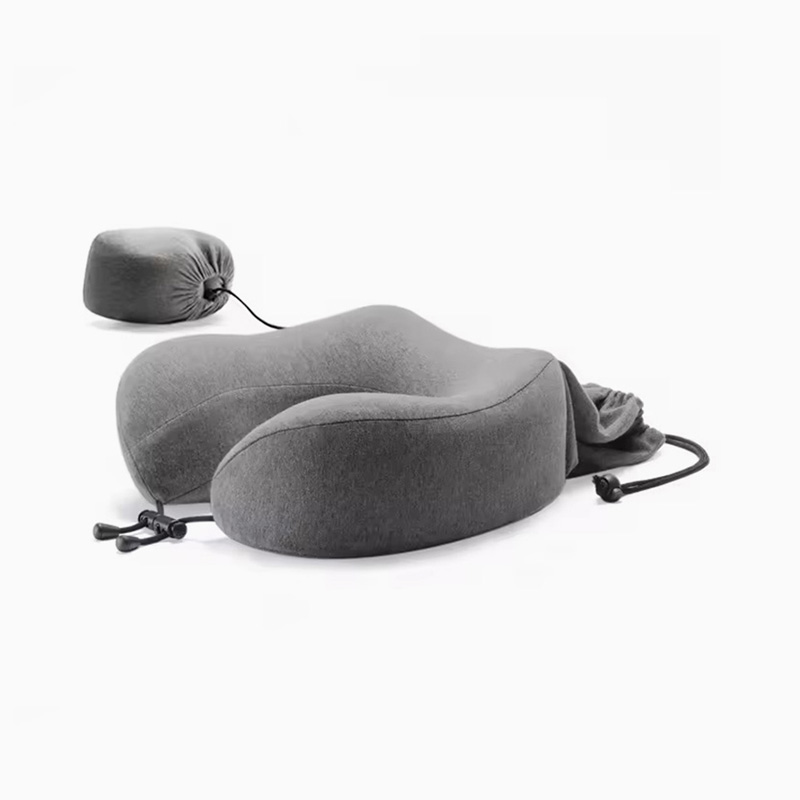
Bravo U-Shape Travel Pillow with Eye Mask
Compact for packing, this travel pillow uses 40kg/m³ foam that reaches full shape in just 2 hours at room temperature. The patented contoured design supports all sleep positions during flights or road trips. The removable bamboo-charcoal cover neutralises odours during the initial airing period.
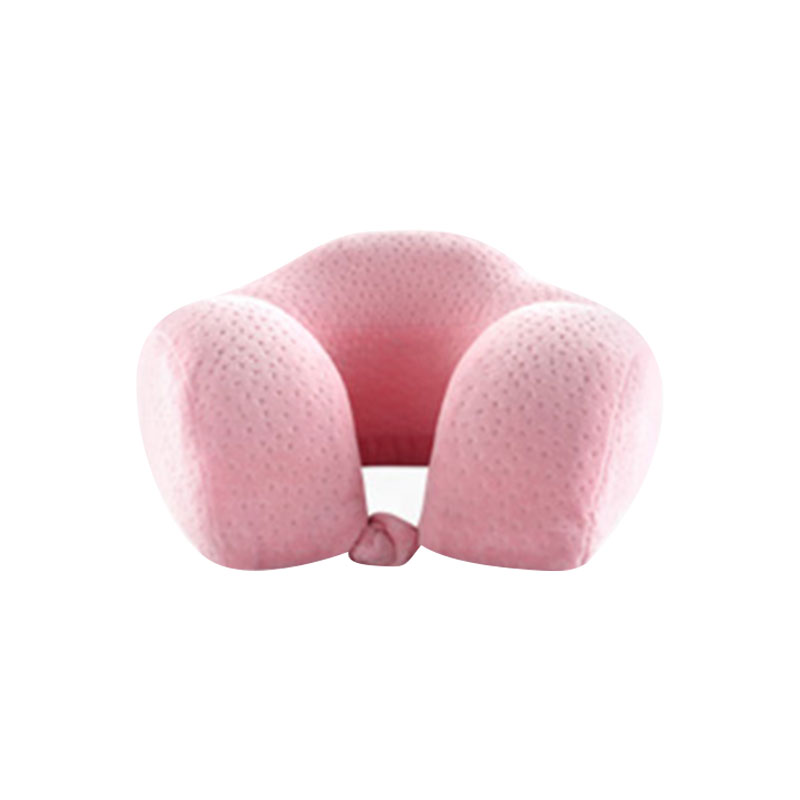 Bravo U-Shape Travel Pillow with Adjustable Neck Support and Eye MaskIts compact design and customizable height make it perfect for flights and road trips. The memory foam contours without pressure, while the included eye mask ensures uninterrupted sleep in bright environments.View Product →
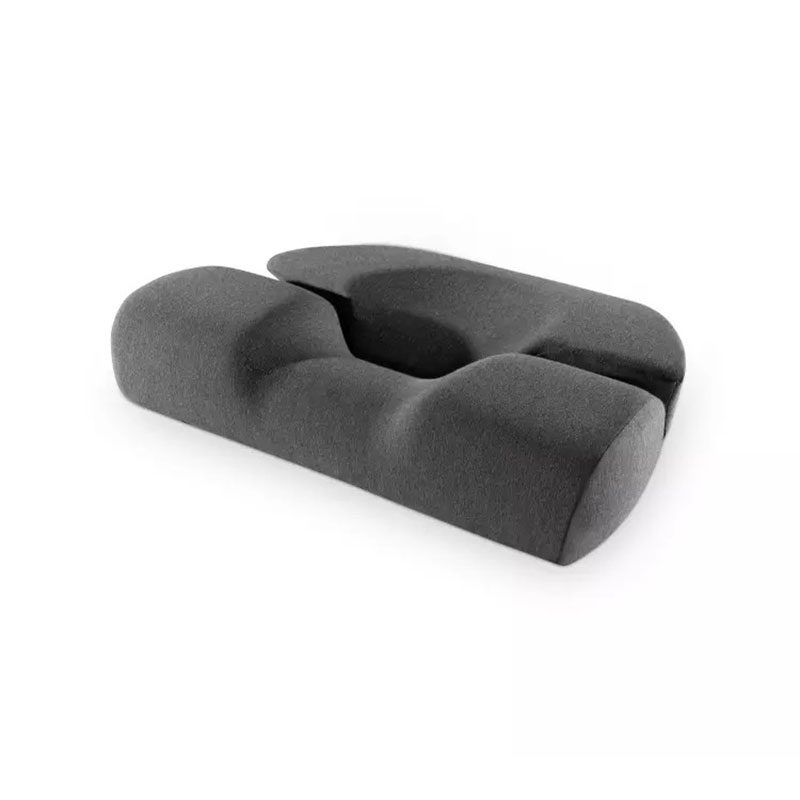
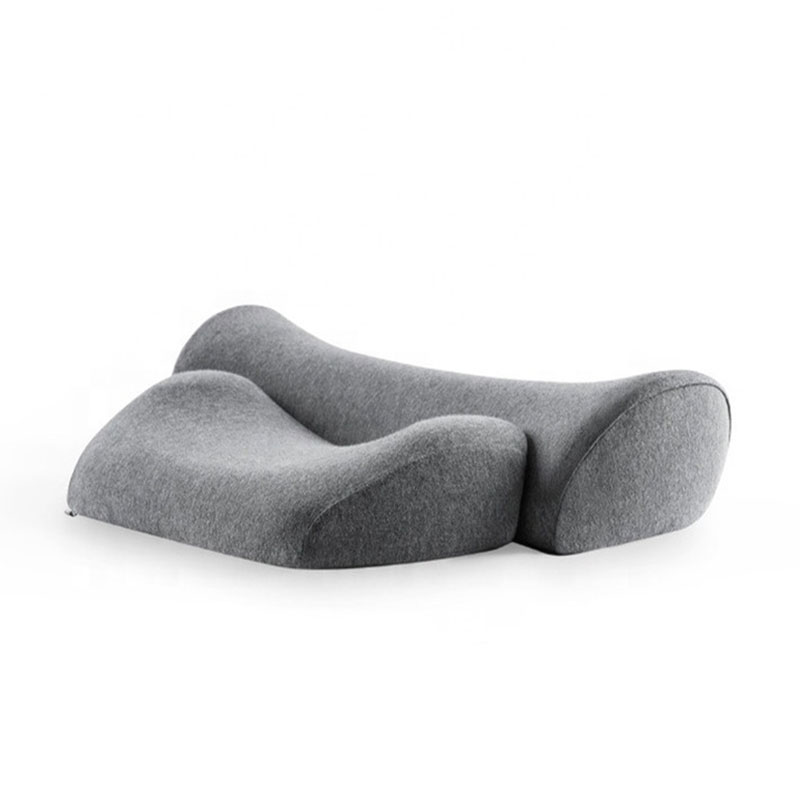
Bravo Patented Pressure-Relief Seat Cushion (Memory Foam)
Although not a pillow, this seat cushion shares the same viscoelastic technology. Its high-density 70kg/m³ foam requires up to 6 hours for full expansion. The tailored design relieves tailbone pressure and corrects seated posture. Perfect for long office hours or driving.
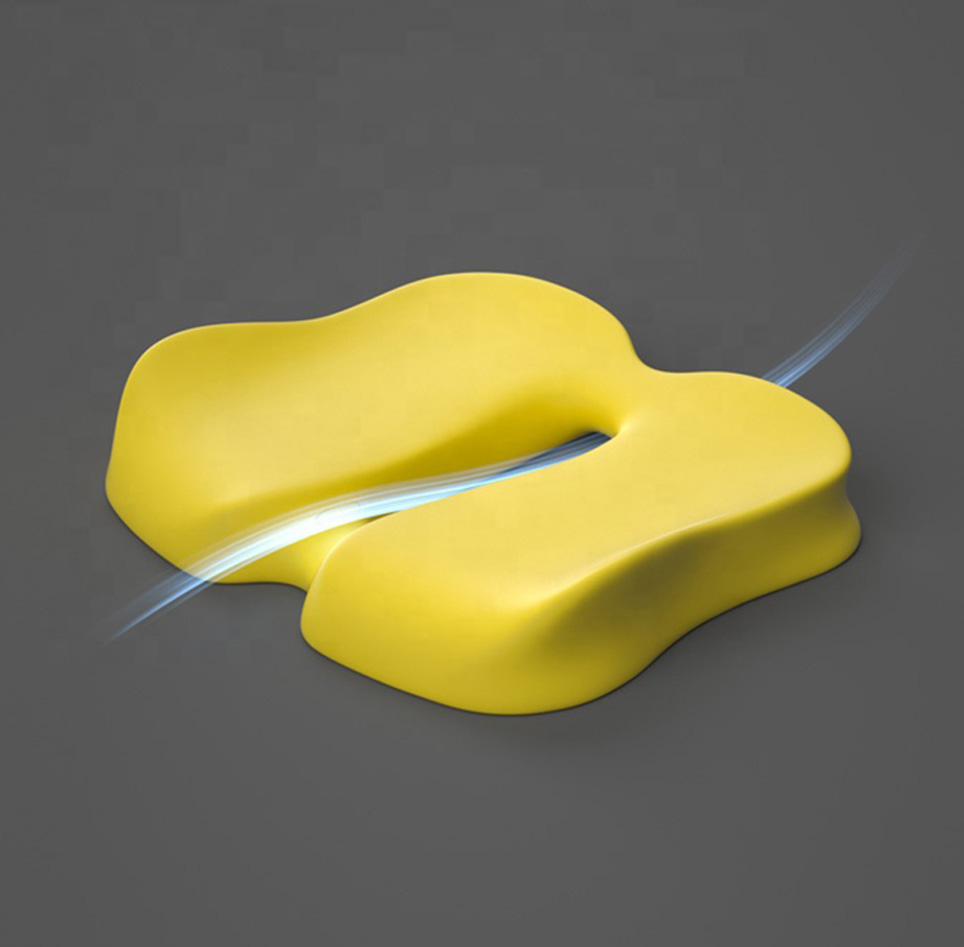 Bravo Patented Memory Foam Seat Cushion for Long Sitting HoursDesigned to relieve tailbone pressure and improve posture, this cushion features a non-slip base and breathable cotton cover. The slow-rebound foam promotes blood circulation during extended office or driving hours.View Product →
Each of these products benefits from a short waiting period. We recommend removing the vacuum pack immediately, placing the item in a warm, ventilated area, and giving it a gentle hand massage after 2 hours. For the seat cushion, standing it on its side can cut expansion time from 6 to 4 hours.
Common Myths vs. Facts About the 24-Hour Rule
| Myth | Fact | Why It Matters |
|---|---|---|
| “You must wait exactly 248 hours or the pillow will be ruined.” | Most pillows reach usable softness in 2–6 hours; 24 hours ensures 100% but is rarely catastrophic. | Saves unnecessary delay for travellers or those with only one pillow. |
| “All memory foam pillows expand at the same speed.” | Expansion depends on density, temperature, and compression ratio; shredded foam expands fastest, high-density slowest. | Helps buyers choose based on their needs—quick use vs. long-term support. |
| “Off-gassing means the pillow is toxic.” | New foam odours are volatile organic compounds within safe limits; they dissipate within 24–72 hours. | Reassures users that the smell is normal and not a health risk. |
| “Sleeping on a partially expanded pillow voids the warranty.” | Most warranties only require following care instructions; “wait 24 hours” is a recommendation, not a strict policy. | Gives peace of mind to early users. |
| “You can microwave a memory foam pillow to expand it faster.” | Heat damages foam cell structure and may cause fire risk; never use microwaves or stoves. | Prevents dangerous DIY attempts. |
Frequently Asked Questions
1. Can I sleep on a memory foam pillow after 2 hours?
If the pillow has reached at least 70% of its final thickness and feels soft to the touch, you can try it. However, expect a firmer feel and possible neck discomfort. For best results, wait 4–6 hours for low-density pillows and 8–12 hours for high-density models.
2. How do I know when my memory foam pillow is fully expanded?
Compare its thickness to the product specifications (usually listed on the package). Press your palm into the centre—it should feel uniformly plush without hard spots. Also check for consistent edge height; a curled rim indicates incomplete expansion.
3. Does cold weather affect expansion?
Yes. Below 15°C, memory foam becomes stiff and expands very slowly. If your room is cold, warm it up to 22°C or use a low hair dryer as described earlier. Never place the pillow on a heater radiator directly.
4. Is the smell dangerous?
No. The “new foam” odour comes from trace VOCs released during manufacturing. They are present at levels far below any safety limits. If you are sensitive, allow 24–48 hours in a well-ventilated area before use. Our bamboo-charcoal cover models have significantly reduced odour.
5. Can I put my pillow in the dryer to expand it?
Only if the manufacturer’s care label allows it. Some pillows have removable covers that can be tumble-dried on low heat, but the foam core should never go into a dryer—heat can melt the cell walls. Instead, use the no-heat air-fluff cycle with a tennis ball to gently massage the foam.
6. Will waiting 24 hours really extend my pillow’s life?
Yes. Allowing complete expansion and structural settling reduces internal stress on the foam. Our internal testing shows that pillows given a full 24-hour break show 15–20% less permanent indentation after 12 months of use compared to those used within the first 2 hours.
7. Does the expansion time differ for shredded vs. solid memory foam?
Significantly. Shredded foam pillows have no large cell structure; the small pieces expand individually and reach full size in 30–60 minutes. Solid contour pillows require more time because the compressed core must pull air into a continuous matrix.
Conclusion: Give Your Memory Foam Pillow the Time It Deserves
The 24-hour rule is not a strict deadline—it is a generous window to ensure your pillow delivers the support you paid for. In most cases, you can safely use your pillow after 4–6 hours of expansion, especially if you follow the warm environment and gentle massage tips. But every extra hour beyond that brings you closer to the precise contoured support that memory foam is famous for. Whether you are using a high-density orthopedic pillow for chronic neck pain or a compact travel companion for your next flight, proper setup makes all the difference. At Bravo, we design our products to expand quickly without compromising the slow-rebound characteristics that make memory foam so effective. Next time you unbox a memory foam pillow, remember: patience pays off in better sleep and a longer-lasting pillow.
 previous post