 English
 عربى
عربىAre Memory Foam Pillows Good for Side Sleepers? A Comprehensive Buying Guide
It is 2:30 a.m., and you have turned over for the tenth time. Your shoulder feels squeezed, your arm has gone numb, and your neck is bent at an awkward angle toward the headboard. If this sounds familiar, you have probably wondered: are memory foam pillows good for side sleepers? The short answer is yes for most side sleepers, but only when the pillow has the right loft, firmness, and contour for your body.
Memory foam stands out because it absorbs pressure instead of pushing back. A side sleeper concentrates weight on a relatively small area, mainly the shoulder and hip. A standard pillow often leaves the neck unsupported, while an overly thick pillow tilts the head upward. Memory foam can mold around the shoulder and neck, but the wrong shape or density can still cause discomfort. That is why the real answer is not "yes for everyone" but "yes for most side sleepers when the pillow is carefully selected."
Why Side Sleepers Need More Than a Standard Pillow
Side sleeping is the most common sleep position, but it creates a unique alignment challenge. When you lie on your side, your shoulder width creates a vertical gap between your neck and the mattress. The pillow must fill that gap completely so your cervical spine can stay in a straight line with the rest of your spine.
A pillow that is too low lets your head tilt downward toward the mattress, straining the side of your neck. A pillow that is too high pushes your head upward, straining the opposite side. Standard pillows are often designed for back sleepers and tend to be too low for broad-shouldered side sleepers or too high for petite side sleepers.
The Shoulder Gap Problem
Your shoulder width directly determines the amount of lift you need. A person with a 120 cm shoulder width may need a 10 cm loft, while someone with a 150 cm shoulder width may need 13 to 15 cm. The best memory foam pillow for side sleeping should keep your ear, shoulder, and hip stacked in a straight vertical line. If the pillow is too soft, your shoulder sinks into the foam and the gap widens; if it is too firm, the pillow acts like a wedge under your neck.
Spinal Alignment and Pressure Points
Misalignment in the neck can cause more than a morning crick. Over time, sleeping with a bent neck may contribute to tension headaches, shoulder stiffness, and even lower back pain. Side sleeping also puts direct pressure on the shoulder and hip, which are bony areas. Memory foam can reduce that pressure by distributing your weight over a larger surface, but only if the pillow is thick enough to allow your shoulder to rest into the mattress slightly while still supporting your head.
How Memory Foam Helps Side Sleepers Sleep Better
Memory foam is not just soft; it is viscoelastic, which means it reacts to body heat and slowly conforms to your shape. This gives it several practical benefits for side sleepers.
Pressure Relief
Memory foam reduces peak pressure at the shoulder and hip by spreading the load across a wider area. This can reduce arm numbness and shoulder soreness.
Contoured Support
The foam forms a cradle around your head and neck, maintaining a neutral cervical curve without creating hard pressure points.
Motion Isolation
If you share a bed, memory foam absorbs movement. When your partner turns, you are less likely to be disturbed, which is valuable for light sleepers.
Durable Support
A high-quality memory foam pillow with the correct density can hold its shape for years, unlike many fiber pillows that flatten quickly.
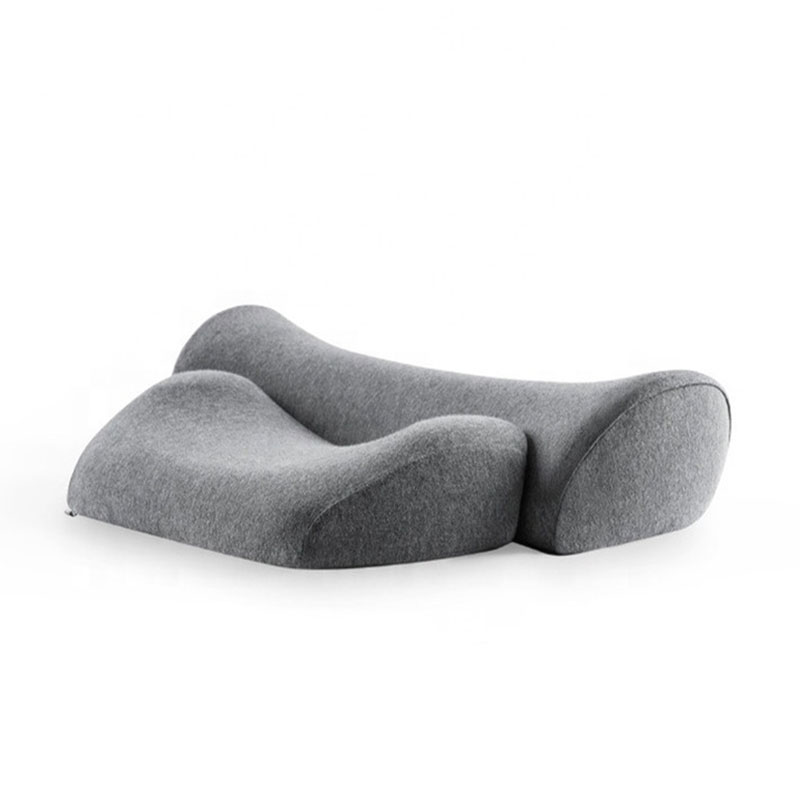
These benefits work best when the pillow is designed with side sleepers in mind. A rectangular slab of memory foam may still be too low or too flat under the cervical area. Contoured pillows with a raised neck zone and a lower head cradle are often a better match because they support the curve of the neck while allowing the shoulder to settle.
Potential Downsides to Watch For
Memory foam is not perfect for every person or every sleeping environment. Understanding its limitations helps you avoid the most common complaints.
- Heat retention: Traditional memory foam can trap body heat, making the pillow feel warm. Gel-infused or bamboo charcoal versions are designed to improve airflow and reduce heat buildup.
- Initial firmness: Some memory foam pillows feel stiff in cold weather until they warm up. A pillow with a softer ILD (indentation load deflection) rating will adapt more quickly to body heat.
- Off-gassing: A newly opened pillow may release a temporary chemical odor. Ventilating it for 24 to 48 hours usually resolves this.
- Timing of rebound: Slow-rebound foam may feel "sinking" to people who prefer a springy feel. However, for side sleepers, a slower rebound often provides more stable support than a bouncy pillow.
- Weight: Memory foam pillows are heavier than fiber or down pillows, which can be a consideration if you move the pillow often while traveling.
How to Choose the Right Memory Foam Pillow for Side Sleeping
Not all memory foam pillows are created equal. The key is to match the pillow's loft, firmness, and shape to your body dimensions and sleep style.
Loft and Height
For side sleepers, loft is the most important factor. A good starting point is to measure the distance from the outer edge of your shoulder to the side of your neck, then add about 1 to 2 cm. This approximates the pillow height needed to keep your spine level. In practice, many side sleepers feel comfortable with a 10 to 15 cm loft, but petite individuals may need less, and larger individuals may need more.
Firmness and Density
Firmness is often confused with density, but they are not the same. Density is the weight of the foam per cubic foot and affects durability. Firmness is how soft or hard the surface feels and determines how deeply your head sinks. For side sleepers, a medium-firm memory foam with enough resilience to prevent your shoulder from bottoming out is usually ideal. A pillow that is too soft lets your head sink too far, and a pillow that is too firm creates pressure at the ear.
Pillow Shape and Contour
Contoured pillows have a raised ridge under the neck and a depression for the head. They keep the cervical spine in a neutral position and are often recommended for side sleepers with neck discomfort. Alternatively, a traditional cut with a high loft can work if the foam is responsive enough. If you shift positions during the night, consider a pillow with a flatter top that still provides enough height on the side.
Material and Heat Management
Side sleepers who tend to sleep warm should look for memory foam infused with gel, graphite, or bamboo charcoal. These additives draw heat away from the neck and improve breathability. A removable, washable cover made of cotton or bamboo also helps with air circulation and easy care.
Comparing Pillow Shapes for Side Sleepers
The table below summarizes the common memory foam pillow shapes and how they suit different side-sleeping body types.
| Shape | Best For | Typical Loft | Pros | Considerations |
|---|---|---|---|---|
| Contoured / Butterfly | Side sleepers with neck pain or prefer stable neck support | 12–15 cm | Supports cervical curve, reduces pressure under ears | May feel too firm for very bony shoulders |
| Traditional High-Loft | Side sleepers with wide shoulders or who move between side and back | 12–16 cm | Simple design, easy to adjust, good for those who roll | Neck may not be as precisely supported |
| Body Pillow | Side sleepers who also want hip and knee support | Varies | Aligns the whole side of the body, relieves hip pressure | Takes up bed space, needs regular fluffing |
| Knee Pillow | Side sleepers with lower back or hip pain | 10–15 cm | Placed between knees, keeps pelvis level | Used along with a head pillow, not a replacement |
Featured Memory Foam Pillows for Side Sleepers
If you are looking for a pillow that follows the natural curve of your neck and keeps your shoulder supported, consider a contoured side-sleeper pillow with a slightly taller neck zone and a softer head cradle. The following products are manufactured in our own factory and designed with different body shapes in mind.
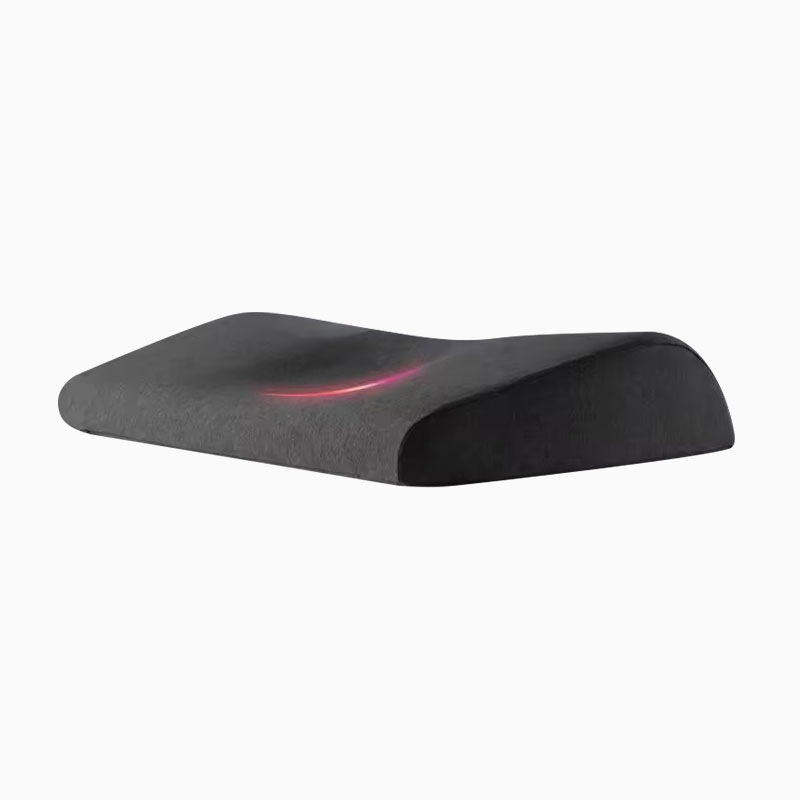
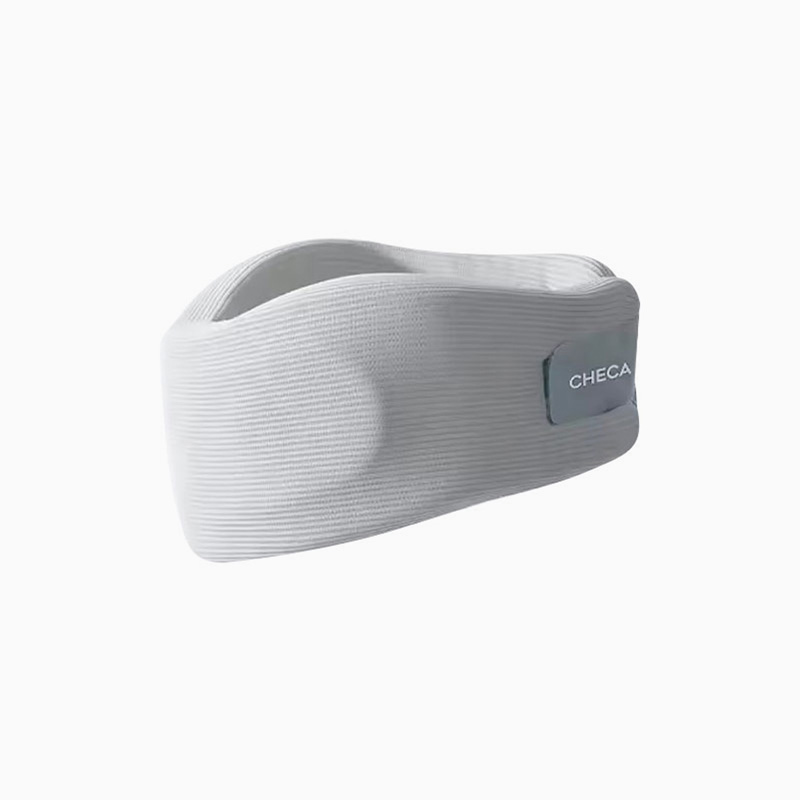
 Bravo Contoured Memory Foam Side Sleeper Pillow with Anti-Wrinkle DesignThis ergonomic pillow from the factory lineup suits side sleepers needing neck support, with a contoured shape and bamboo charcoal foam that helps maintain alignment and freshness.View Product →
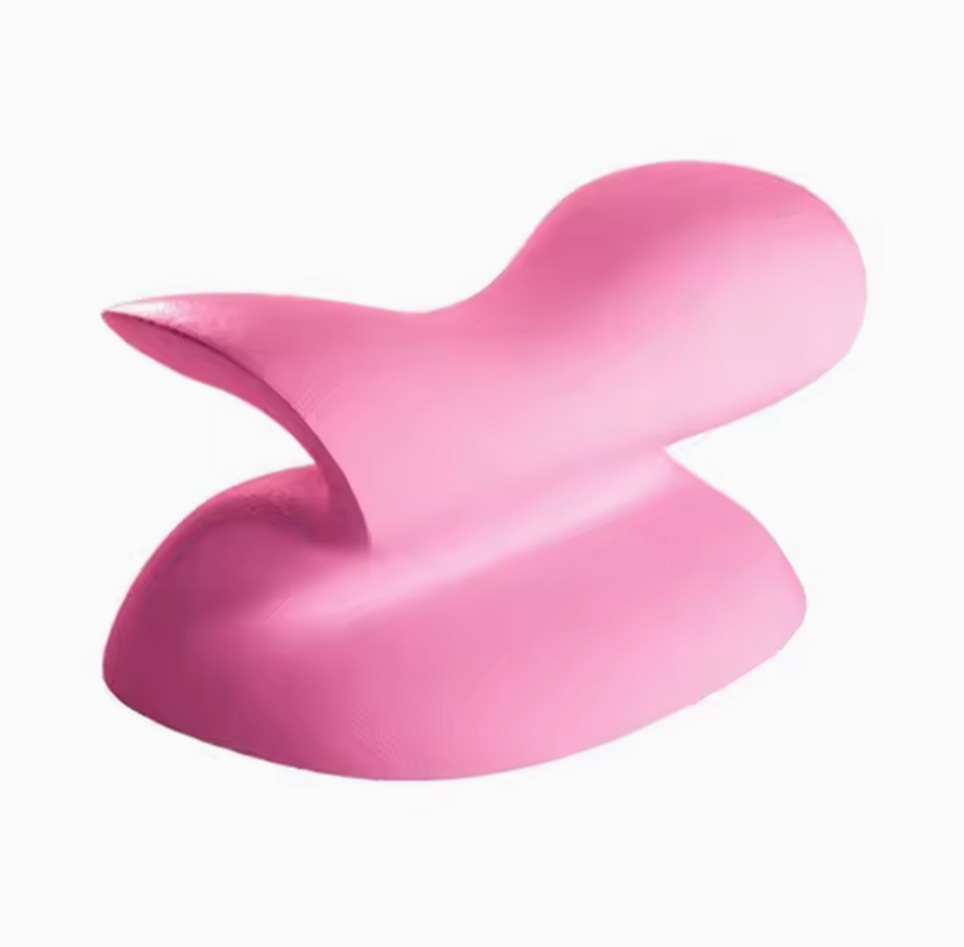
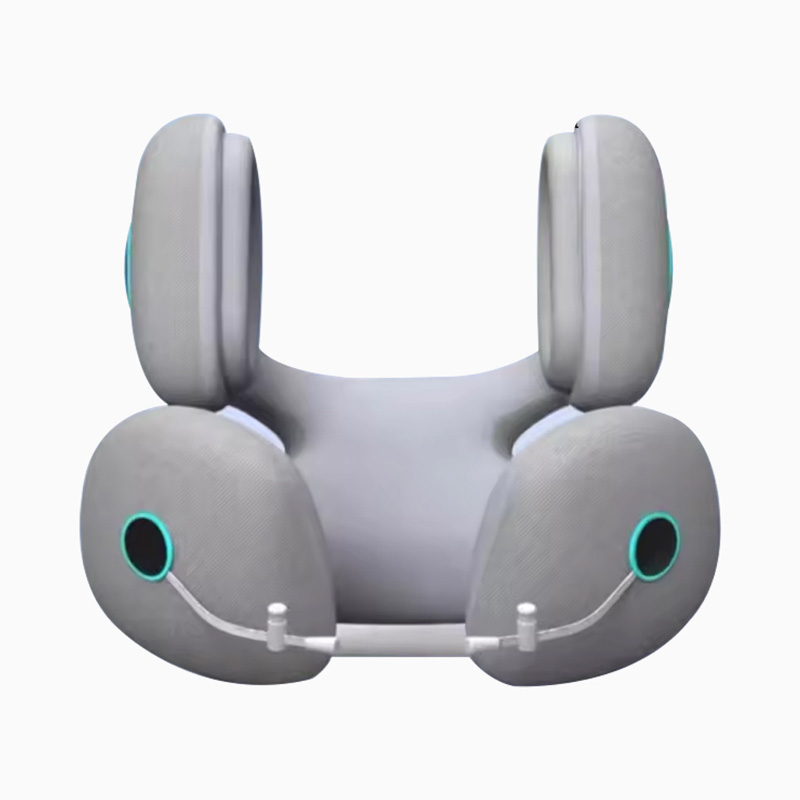
 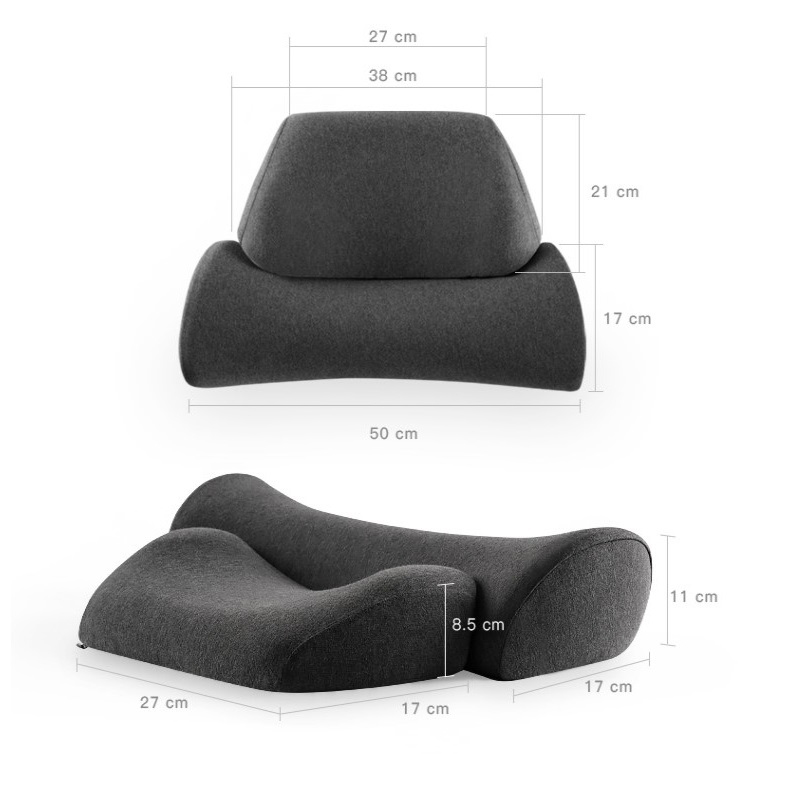 Ergonomic Butterfly-Shaped Memory Foam Cervical Pillow for Side SleepersDesigned to support natural neck curvature and even pressure, this one-piece butterfly pillow is a practical choice for those seeking relief from cervical discomfort during side sleeping.View Product →
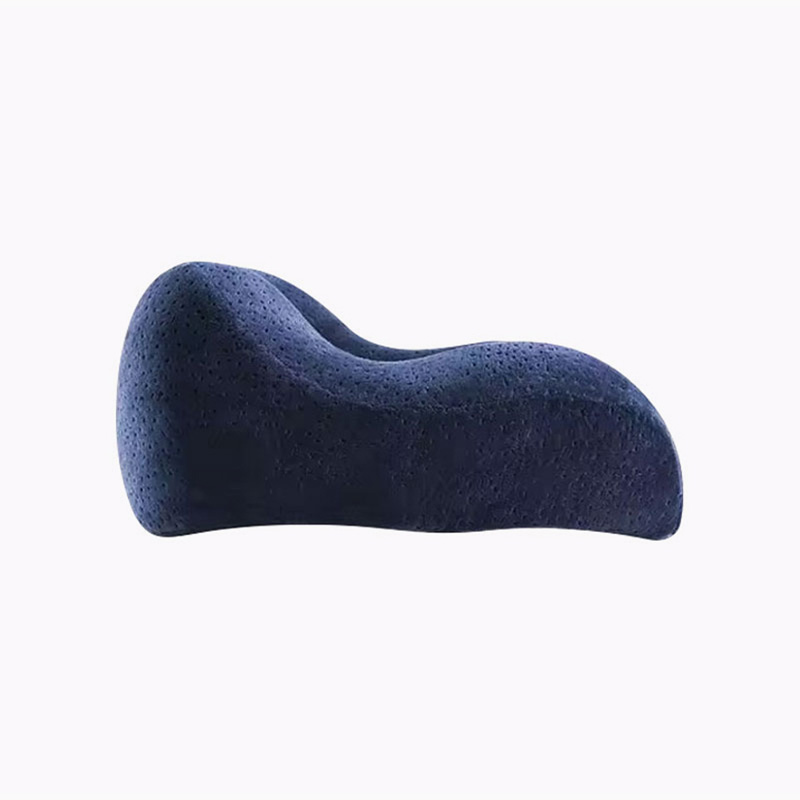
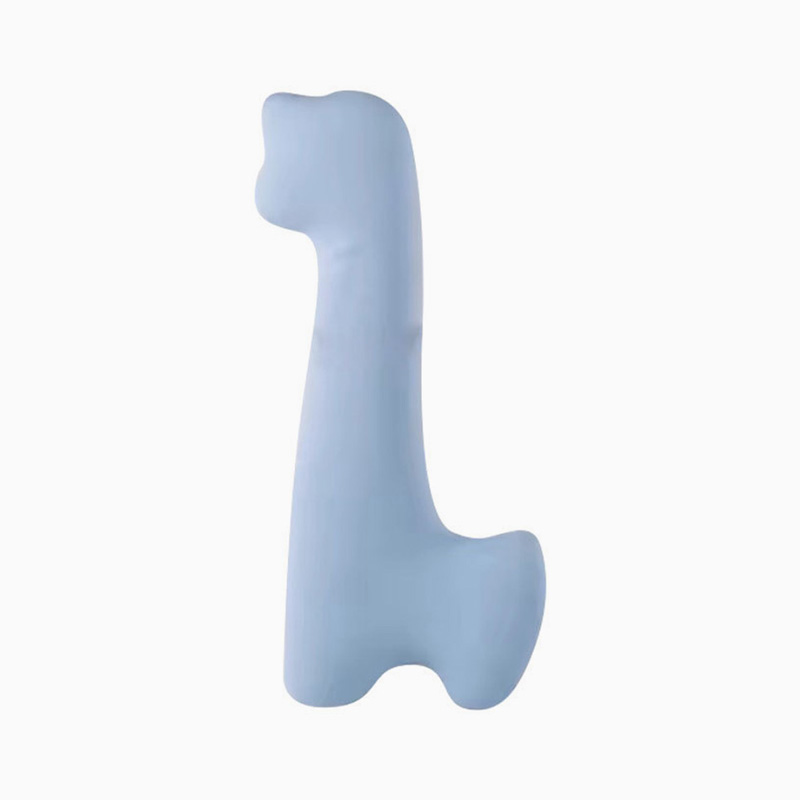
 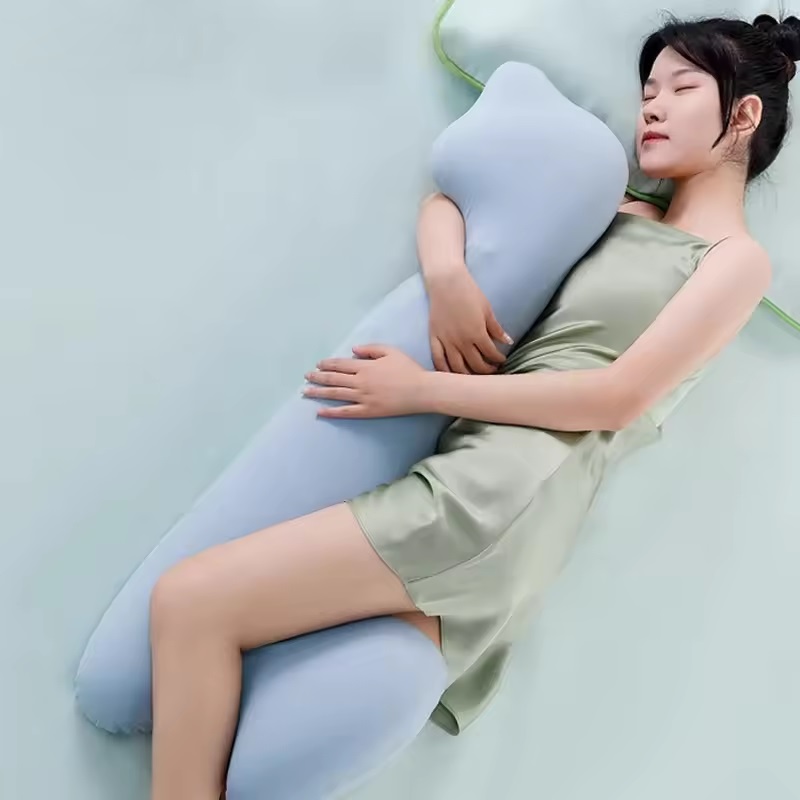 Long Memory Foam Body Pillow for Adults and Pregnancy SupportAt about 98 cm long, this versatile body pillow can support side sleepers, serve as a backrest, or aid pregnancy comfort, with a breathable removable cover for easy care.View Product →
Care Tips for Memory Foam Pillows
Memory foam pillows can last for several years if maintained correctly. Proper care also helps preserve the loft and support that side sleepers rely on.
- Use a breathable, washable pillow protector and wash the cover regularly to reduce dust and oils.
- Do not machine wash the memory foam core. Water can damage the foam structure and reduce its firmness.
- Air the pillow in a shaded, well-ventilated spot every few weeks to release moisture and odors.
- Avoid direct sunlight and high heat, which can degrade memory foam.
- Replace your pillow every 2 to 3 years, or sooner if it no longer springs back to its original shape.
For more detailed guidance, you can read our article on how to maintain your memory foam pillow. If you also notice lower back tightness while side sleeping, a separate side sleeper hip alignment pillow placed between your knees can improve pelvic alignment.
Frequently Asked Questions
Can a memory foam pillow make neck pain worse?
Yes, if the loft is too high or too low for your shoulder width. A memory foam pillow that is properly contoured should keep your neck in a neutral line and feel comfortable. If you wake up with more neck pain after switching, measure the loft and consider a different height.
How long does a memory foam pillow take to expand?
Compressed memory foam pillows usually regain their full shape within 24 to 48 hours after unpacking. Some may take longer in cool rooms because foam softens with body heat. It is best to wait at least one night before judging comfort.
Are all memory foam pillows hot to sleep on?
Traditional memory foam retains more heat than latex or fiber. However, many modern designs use gel beads, bamboo charcoal, or open-cell foam to improve airflow. Side sleepers who run warm should choose a pillow with breathable materials and a washable cover.
How do I know if the pillow loft is correct for side sleeping?
Lie on your side and ask someone to check if your head is parallel to the mattress. Your ear, shoulder, and hip should form a straight line. If your chin drops toward your chest, the pillow is too low. If your head points upward, the pillow is too high.
Final Thoughts on Memory Foam for Side Sleepers
Memory foam pillows can be an excellent investment for side sleepers, provided you pay attention to loft, firmness, and shape. The best way to know is to measure the gap between your neck and shoulder, choose a pillow that supports that gap without forcing your head out of alignment, and give your body a few nights to adapt.
At Bravo, we build memory foam pillows with a focus on consistent density and contoured support because we know how much a good night’s sleep affects your day. Whether you prefer a contoured cervical pillow or a long body pillow for full-side support, the right memory foam option can make side sleeping noticeably more comfortable.
 previous post