 English
 عربى
عربىWhy does my back hurt more on memory foam? How to choose the right support
The Relationship Between Memory Foam and Spinal Alignment
Memory foam, scientifically known as viscoelastic polyurethane foam, is widely recommended for lower back pain due to its unique ability to contour to the body in response to heat and pressure.
Precision Pressure Relief
Unlike traditional innerspring mattresses that push back against the body, memory foam absorbs and redistributes weight. For those with lower back pain, this means heavy areas like the hips and shoulders can sink in just enough to reduce shear stress on the lumbar region.
Dynamic Spinal Alignment
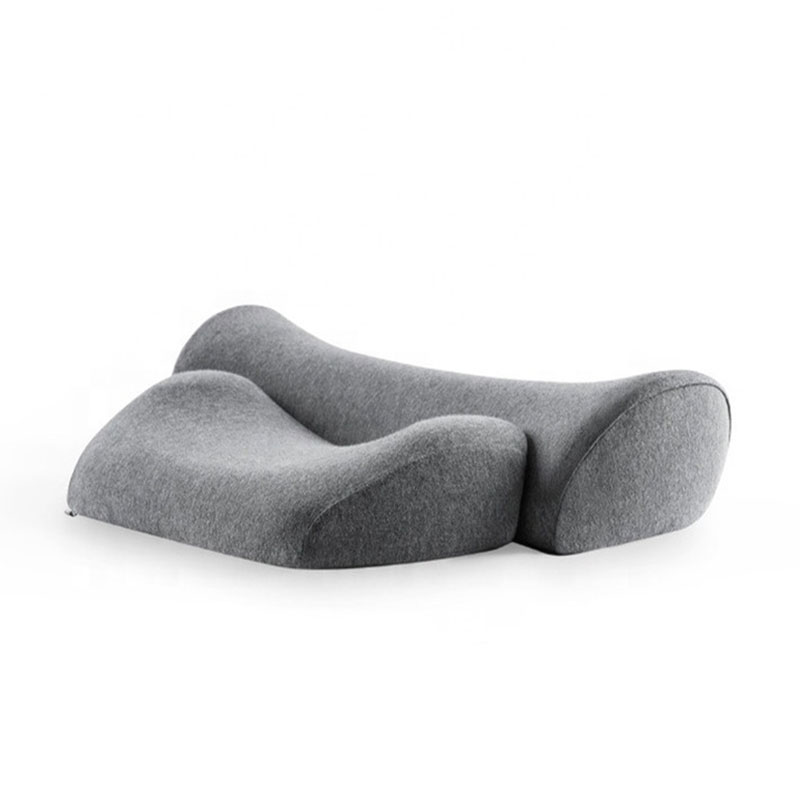
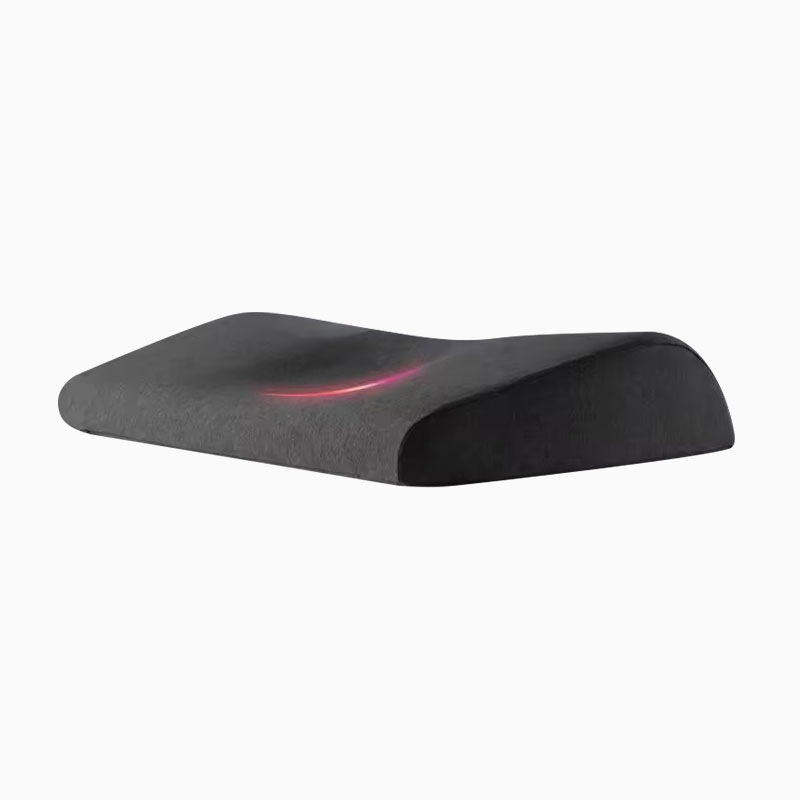
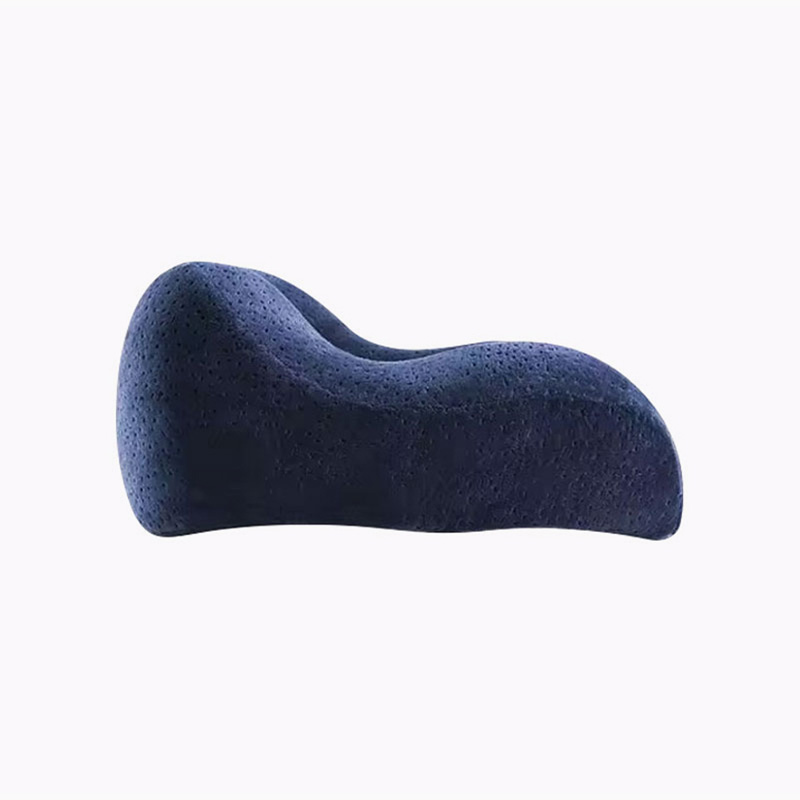
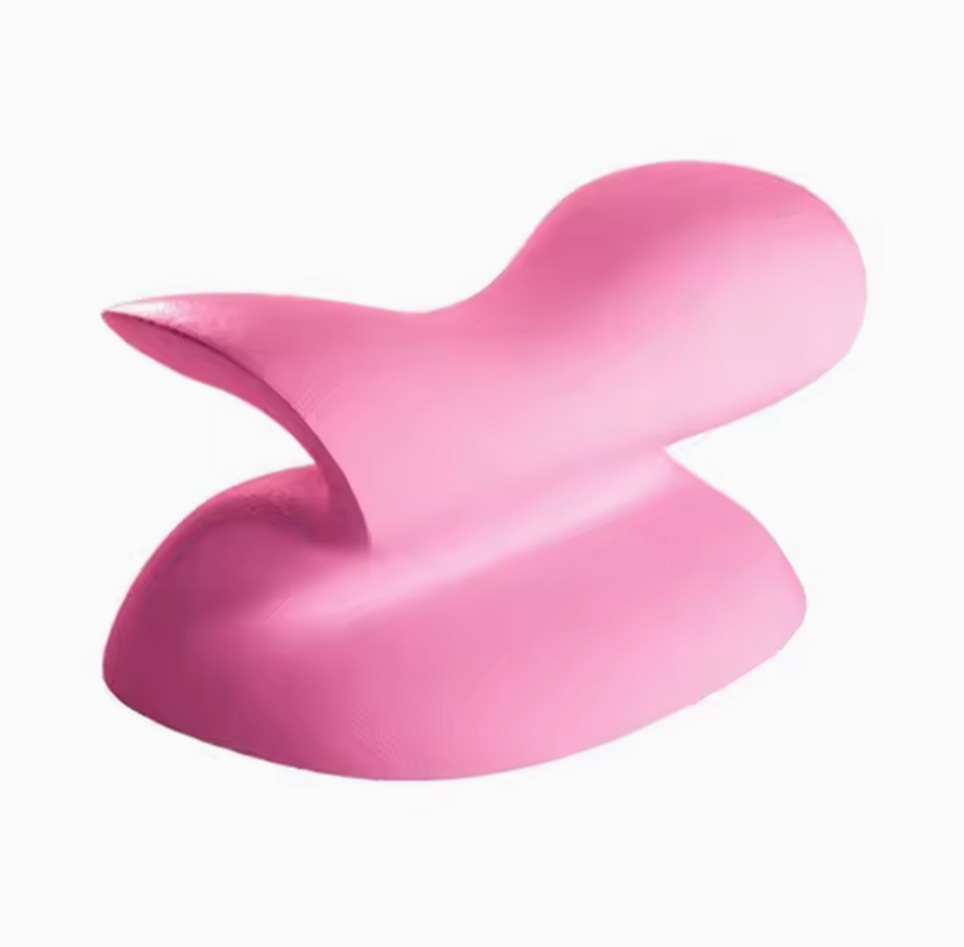
When lying flat, there is a natural gap at the lumbar spine. An overly firm mattress leaves this area unsupported, causing muscles to remain tense all night. When a mattress is used in conjunction with a Memory Foam Lumbar Cushion, the material fills this gap, providing passive support and keeping the spine in a neutral position.
Core Parameter Comparison: Low-Density vs. High-Density Memory Foam
Density is the critical factor in determining support for both mattresses and Memory Foam Lumbar Cushion products.
| Feature | Low Density (≤ 3.0 lbs/ft³) | High Density (≥ 5.0 lbs/ft³) |
| Support Feel | Softer, prone to "bottoming out" | Firmer, provides solid resistance |
| Pressure Relief | Basic, for lighter individuals | Deep relief for chronic pain |
| Durability | May sag over time | Maintains shape for years |
| Response Speed | Faster rebound | Slower, precise contouring |
| Lumbar Advice | Not recommended for support | Recommended for Memory Foam Lumbar Cushion |
Viscoelasticity and Muscle Recovery
Memory foam absorbs kinetic energy. For sleepers who toss and turn due to pain, this material dampens motion and reduces secondary muscle strain. To ensure 24-hour protection, many users supplement their mattress with a Memory Foam Lumbar Cushion in their office chair to maintain this support during the day.
Choosing the Right Firmness for Lower Back Pain
For back pain, a mattress should not be "as hard as a board." Excessively hard surfaces force the spine out of alignment, while soft surfaces cause it to sag.
The Medium-Firm Gold Standard
Clinical studies suggest that Medium-Firm memory foam is most effective for chronic lower back pain. If your current mattress is too soft, a Memory Foam Lumbar Cushion can act as a "local firmness regulator," adding necessary resistance to the lumbar curve.
Support Strategies by Sleep Position
| Position | Recommended Firmness | Memory Foam Role | Support Strategy |
| Side | Medium-Soft | Aligns hips and shoulders | Use a Memory Foam Lumbar Cushion to fill the side-waist gap. |
| Back | Medium-Firm | Prevents hip over-sinking | Essential: Place a Memory Foam Lumbar Cushion under the S-curve. |
| Stomach | Firm | Prevents spinal arching | Requires very thin, high-density support. |
Understanding ILD (Indentation Load Deflection)
ILD measures how hard or soft the foam feels. Higher values indicate firmer foam.
- 10 - 15 ILD: Extra Soft (Top comfort layers only).
- 20 - 25 ILD: Medium (Balanced contouring).
- 30 - 35 ILD: Medium-Firm (Recommended for lumbar stability).
- 40+ ILD: Firm (For high body weight).
24-Hour Back Care: Multi-Scenario Application
Sitting increases spinal disc pressure by 40% to 90% compared to standing. Poor daytime posture negates the benefits of a good mattress.
Static Sitting Pressure Relief
A Memory Foam Lumbar Cushion fills the void between the chair and the spine, transferring the load from the muscles to the viscoelastic foam.
| Scenario | Recommended Thickness | Shape Requirement | Firmness |
| Office | 8cm - 12cm | Side-wing wrap | Medium |
| Driving | 6cm - 10cm | Stable flat base | Firm (absorbs vibration) |
| Sofa | 10cm - 15cm | Large arc | High Density |
Advantages Over Standard Foam
The Memory Foam Lumbar Cushion offers Thermo-Sensitivity, adjusting its shape based on body heat for a custom fit, and Vibration Absorption, which is critical for reducing pain during commutes.
Potential Drawbacks and Buyer’s Guide
Heat Retention
Memory foam can trap heat. Look for Open-Cell structures or Gel-Infusion. A Memory Foam Lumbar Cushion with a 3D mesh cover usually avoids this issue due to its smaller contact area.
Temperature Sensitivity
| Temperature | Foam Behavior | Impact |
| Cold (< 18°C) | Hardens | Requires body heat to soften. |
| Ideal (22-25°C) | Balanced | Peak support performance. |
| Hot (> 28°C) | Softens | May lack necessary resistance. |
Maintenance for Longevity
Avoid exposing your Memory Foam Lumbar Cushion to direct sunlight, as UV rays break down the poly-urethane structure. Never wash the foam core; only wash the removable fabric cover.
FAQ: Solving Your Lumbar Support Doubts
Can memory foam cure back pain?
It optimizes pressure and maintains a neutral spine to relieve pain, but it is not a medical cure. Consistency is key; use a Memory Foam Lumbar Cushion during the day to prevent muscle fatigue.
Is high density always firmer?
No. Density equals durability. A high-density Memory Foam Lumbar Cushion can be soft to the touch but will provide better deep support than a low-density "hard" foam that collapses under weight.
How do I know if the foam is worn out?
If the recovery time exceeds 15 seconds or if there is a permanent indentation of 2cm or more, the material has lost its supportive properties.
Ideal Support Configuration Summary
| Component | Recommended Parameter | Function |
| Support Layer | Density ≥ 50kg/m³ | Prevents spinal collapse |
| Comfort Layer | 25 - 30 ILD | Relieves pressure points |
| Lumbar Cushion | 6cm - 10cm Arch | Maintains S-curve |
 previous post