 English
 عربى
عربىWill memory foam back cushions permanently deform over time with use
Material Properties of Memory Foam
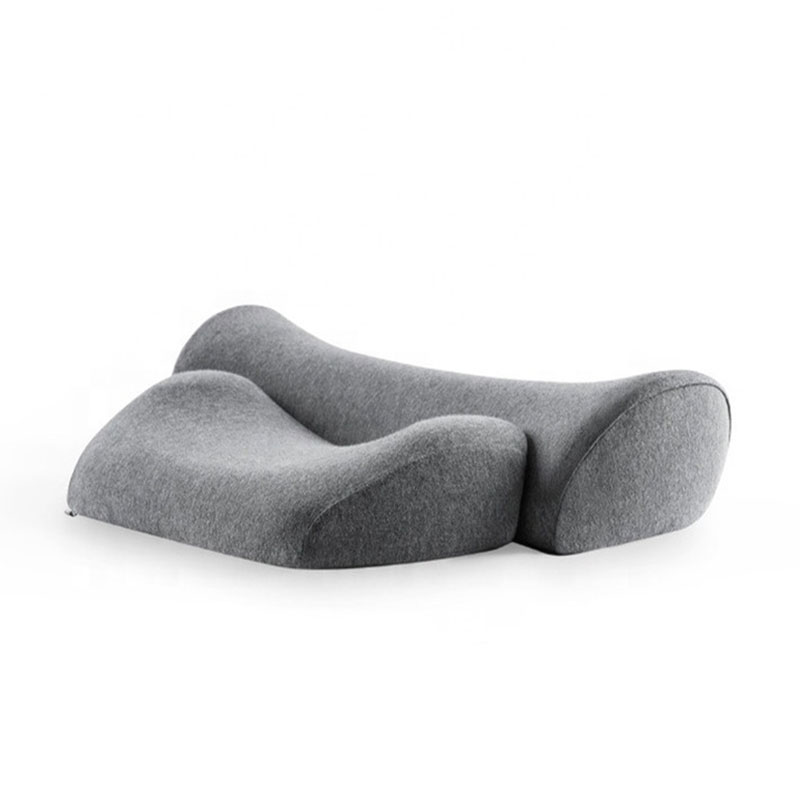
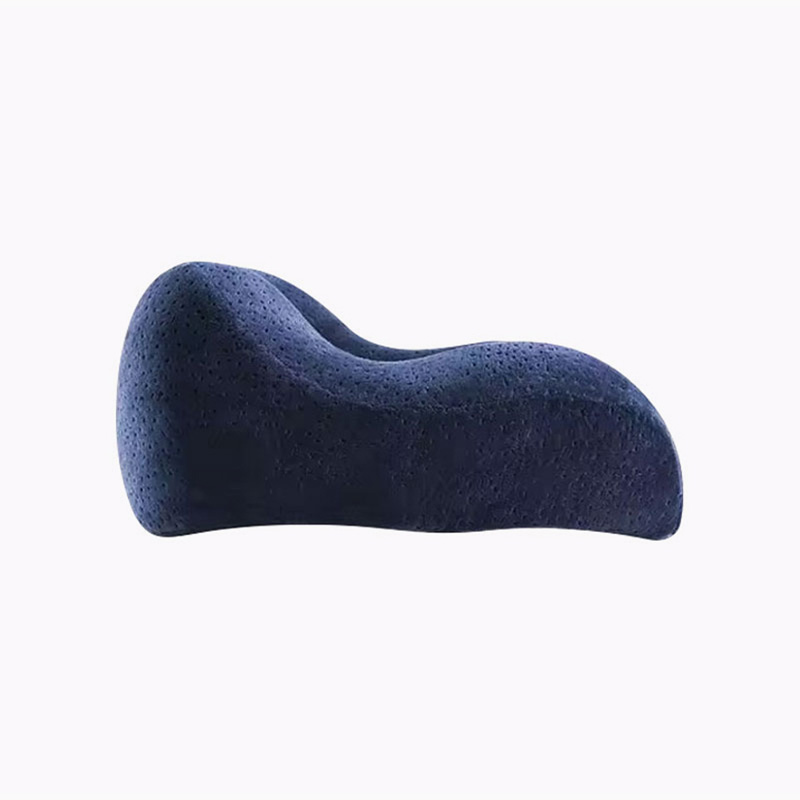
Memory foam is a high-elasticity polyurethane material with slow recovery characteristics. Its internal structure is an open-cell honeycomb network that allows the foam to deform slowly under pressure, conforming to the body’s natural curves to provide support and comfort. The density, firmness, and polymer structure of memory foam directly determine its compression resistance and rebound performance. High-density foam generally offers better durability, moderate rebound speed, and more complete shape recovery, while low-density foam is prone to permanent indentations after prolonged use.
Mechanisms of Deformation During Use
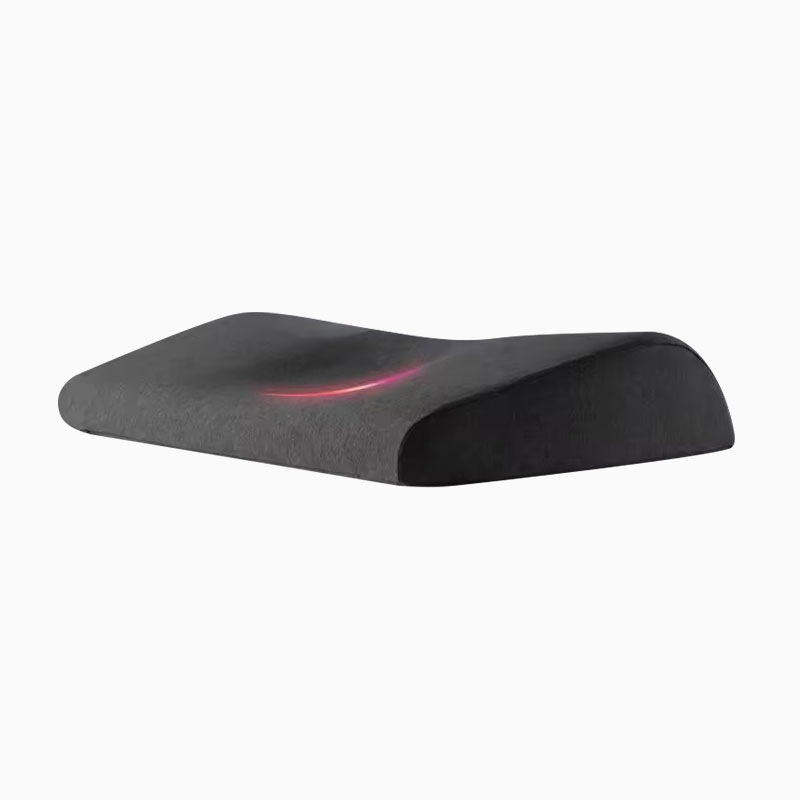
During everyday use, memory foam back cushions primarily bear static or dynamic pressure from the user’s torso and lumbar region. Factors such as body weight, duration of sitting, usage frequency, and ambient temperature significantly affect foam deformation. Long-term compression can cause microscopic slippage and relaxation of the foam’s polymer chains, resulting in slower rebound or slight permanent impressions. High temperatures accelerate softening, making indentations more likely to occur.
Manifestation of Permanent Deformation
Permanent deformation typically appears as visible depressions on the cushion surface or reduced support. Users may feel less lumbar support, decreased comfort, or the need to adjust their posture or replace the cushion. The extent of deformation depends on foam density, cushion design, and usage habits. Generally, high-density memory foam retains approximately 80%-90% of its original shape after thousands of compression cycles, whereas low-density foam may develop noticeable permanent indentations over time.
Key Factors in Reducing Permanent Deformation
Cushion design and material selection are crucial for minimizing permanent deformation. High-density foam, appropriate thickness, and layered support structures can effectively distribute pressure and delay foam fatigue. Breathable outer covers and cushioning layers also contribute to durability. Users can further reduce deformation by maintaining even weight distribution, adjusting their sitting posture regularly, and avoiding prolonged exposure to high temperatures.
Impact on User Experience
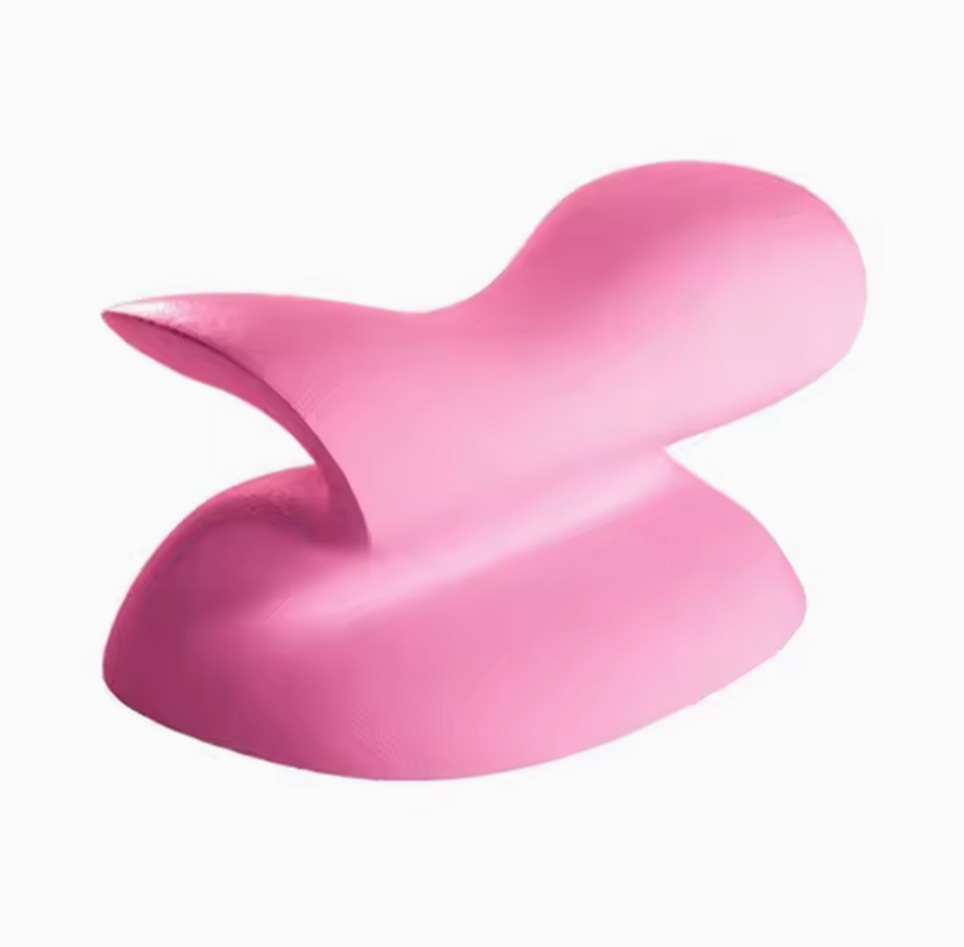
Minor permanent deformation does not mean the cushion loses functionality entirely. Well-designed memory foam cushions have adaptive properties, continuing to provide comfort even after small indentations form. Significant deformation may reduce lumbar support, but the overall comfort often remains superior to conventional foam cushions. Choosing the right density and thickness, combined with proper usage habits, can extend cushion lifespan while maintaining ergonomic support.
 previous post