 English
 عربى
عربىHow do the density and firmness of a memory foam neck pillow affect its ability to support the cervical spine
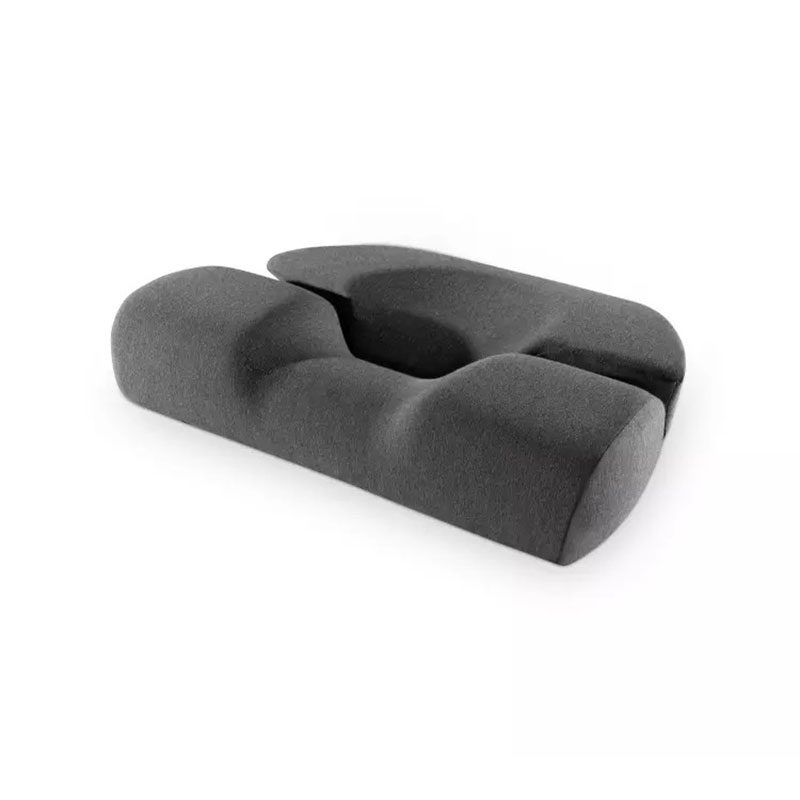
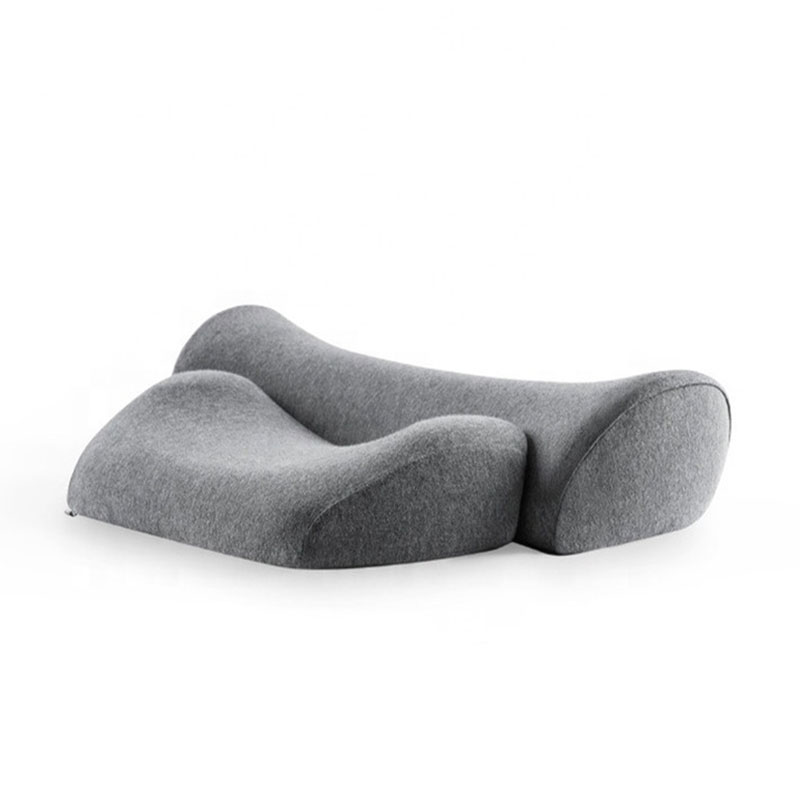
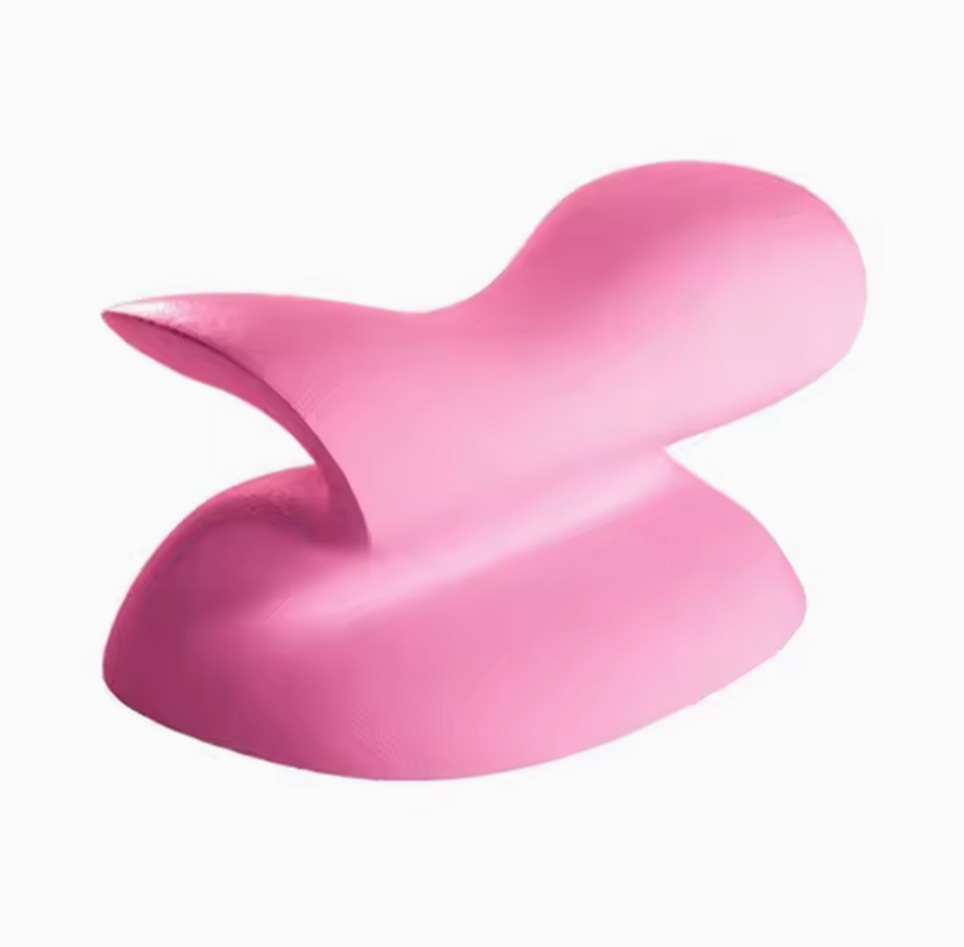
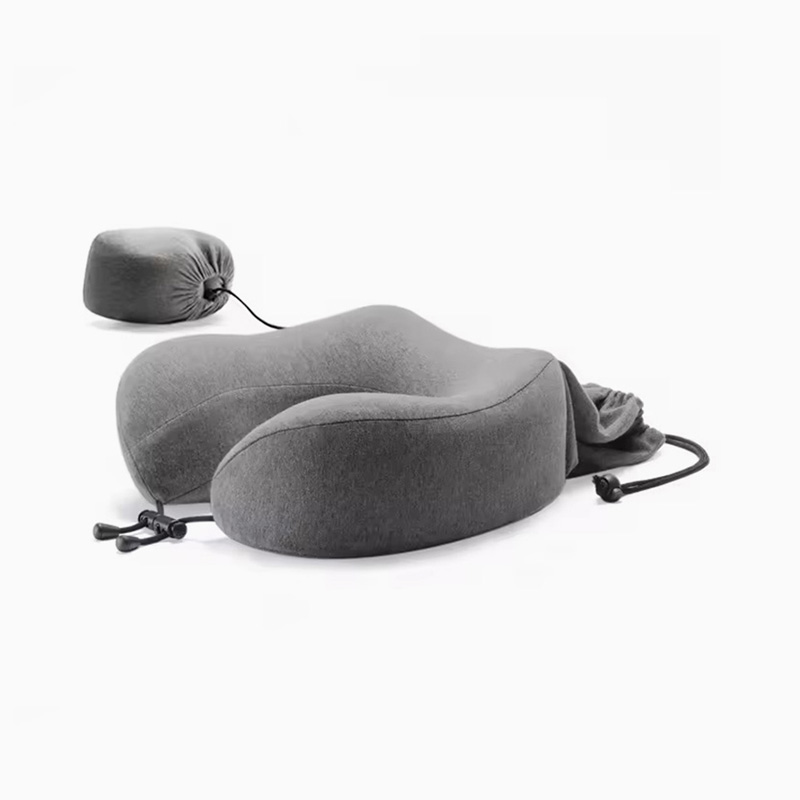
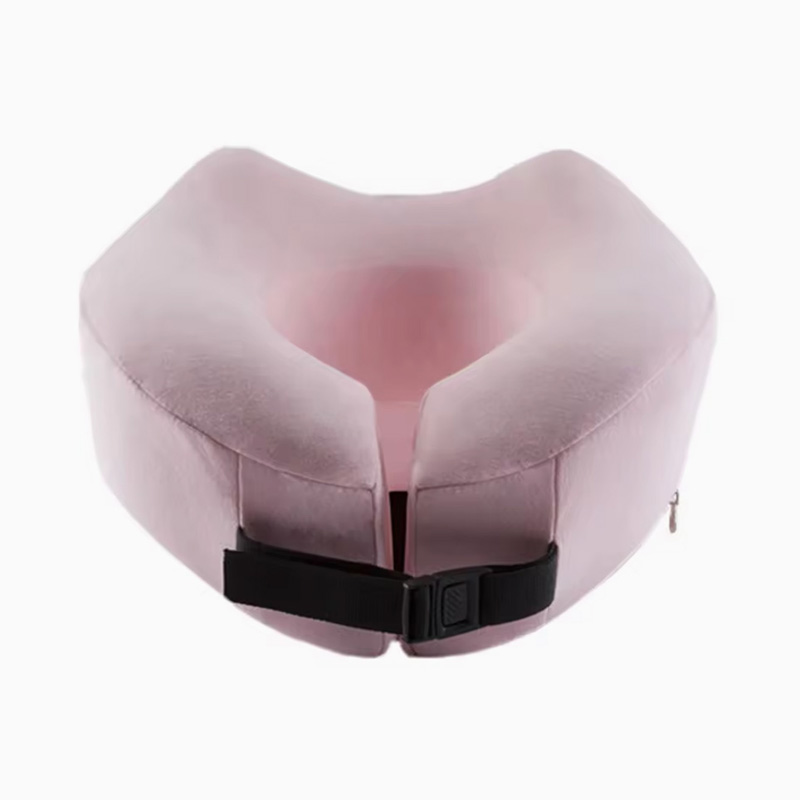
Memory foam is a high-polymer material that slowly conforms to the body in response to temperature and pressure. Its unique viscoelastic property allows it to provide both comfort and support, distributing pressure evenly across the neck area. Memory foam cervical pillows are designed to support the cervical spine, maintain the natural curvature of the neck during sleep, and reduce fatigue and pain.
The Impact of Foam Density on Cervical Support
The density of memory foam is measured in kilograms per cubic meter (kg/m³). High-density foams are typically above 50 kg/m³, while lower-density foams range from 35–45 kg/m³. Density directly affects the pillow's support capability and long-term durability.
High-density memory foam pillows provide consistent and even support. The weight of the head is distributed evenly across the pillow surface, reducing muscle tension in the neck and shoulders. Over time, using a high-density pillow can decrease localized pressure on the cervical spine, improve blood circulation, and prevent the pillow from collapsing prematurely.
Low-density memory foam offers a softer feel and immediate comfort but may lack stability. Such pillows can compress or shift during the night, failing to maintain the ideal cervical curvature. Long-term use may lead to increased neck fatigue or discomfort.
The Role of Pillow Firmness
Firmness refers to the pillow's resistance to compression and its deformation under pressure. Memory foam pillows generally range from soft to medium to firm. Firmness works together with density to influence cervical spine support.
Soft pillows provide a plush, comfortable feel and allow the head to sink in easily. They suit individuals with lower body weight. However, overly soft pillows may fail to maintain the cervical spine's natural curve, especially for heavier individuals, leading to neck sinking and frequent nighttime adjustments.
Medium-firm pillows strike a balance between comfort and support. They help maintain the head and shoulder alignment while evenly distributing cervical pressure, making them suitable for most adults and sleep positions.
Firm pillows offer maximum support, ideal for heavier individuals or those who sleep primarily on their backs. Firm designs prevent cervical sinking and preserve the physiological curve but may feel too rigid for those who prefer softer support.
The Relationship Between Density and Firmness
Density and firmness complement each other in pillow design. High-density, low-firmness pillows provide durability with softness, while medium-density, medium-firm pillows suit most users. Professional pillow designs consider weight, sleep posture, and cervical health to select the optimal density-firmness combination, ensuring the neck receives proper support throughout the night.
Long-Term Benefits for Cervical Health
Properly designed memory foam cervical pillows maintain the natural cervical curvature during sleep, reduce muscle tension, and improve overall sleep quality. Long-term use can lower the risk of morning stiffness, neck pain, and shoulder discomfort. Conversely, pillows with inadequate density or mismatched firmness may cause uneven cervical pressure, increasing the likelihood of neck strain or cervical spine issues over time.
 previous post