 English
 عربى
عربىWhat are the criteria for choosing a neck pillow for people with different sleeping positions
Pillow Selection Standards for Back Sleepers
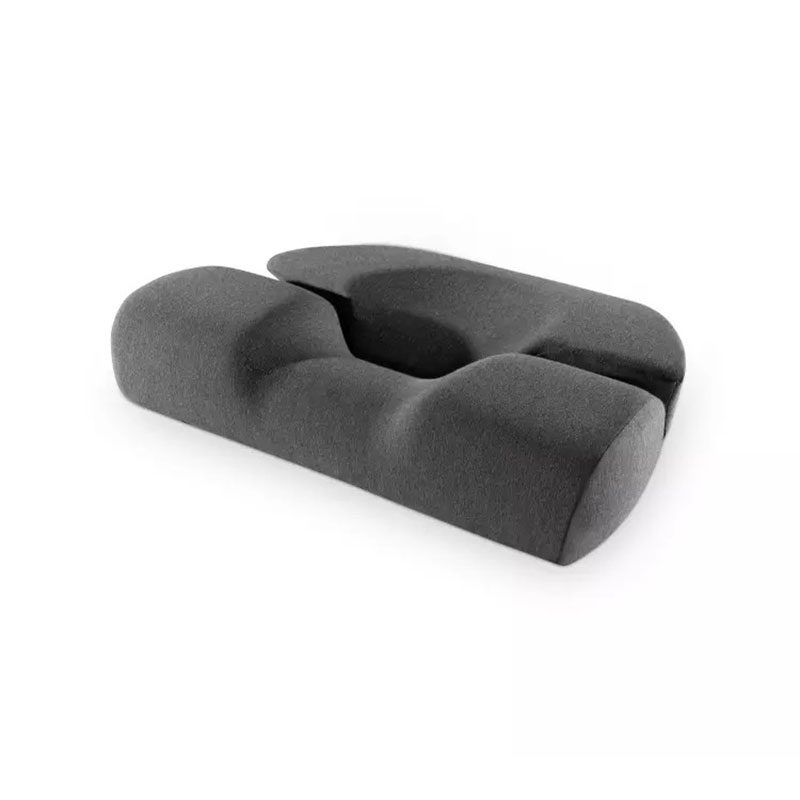
Back sleeping is one of the most common sleep positions, with the head resting naturally on the pillow and the cervical spine relatively relaxed. Back sleepers need pillows that support the natural curve of the cervical spine. The pillow height should be moderate, allowing the head to be slightly elevated above the shoulders to maintain the C-shaped cervical curvature. Pillow fillings such as memory foam or latex provide even support by conforming to the head and neck shape, reducing cervical pressure. Contoured pillow designs that follow the neck curve ensure the shoulders make natural contact with the mattress, preventing the head from tilting too far forward or backward.
Pillow Selection Standards for Side Sleepers
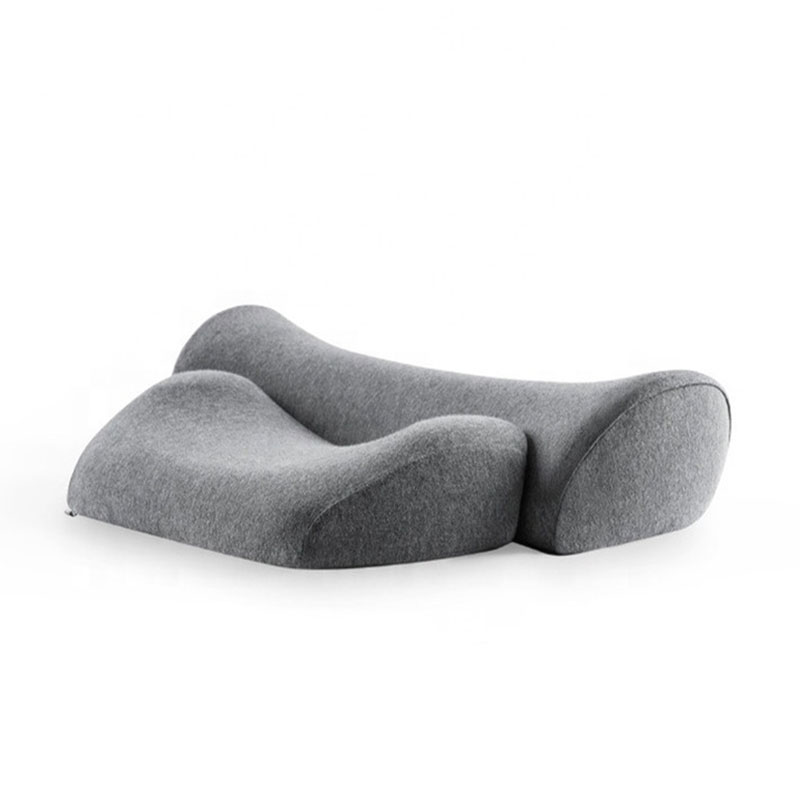
Side sleeping requires greater attention to neck and shoulder support. The pillow must fill the gap between the shoulder and neck to keep the head and spine aligned. Side sleepers typically need slightly higher pillows than back sleepers, usually ranging from 10 to 14 centimeters, adjusted according to shoulder width. Medium-firm pillows are recommended to support head weight and prevent sinking during the night. Pillow width should be sufficient to maintain stability when turning over, reducing rotational stress on the cervical spine. Memory foam and high-resilience latex are ideal materials for side sleepers, as they evenly distribute pressure and enhance sleep comfort.
Pillow Selection Standards for Stomach Sleepers
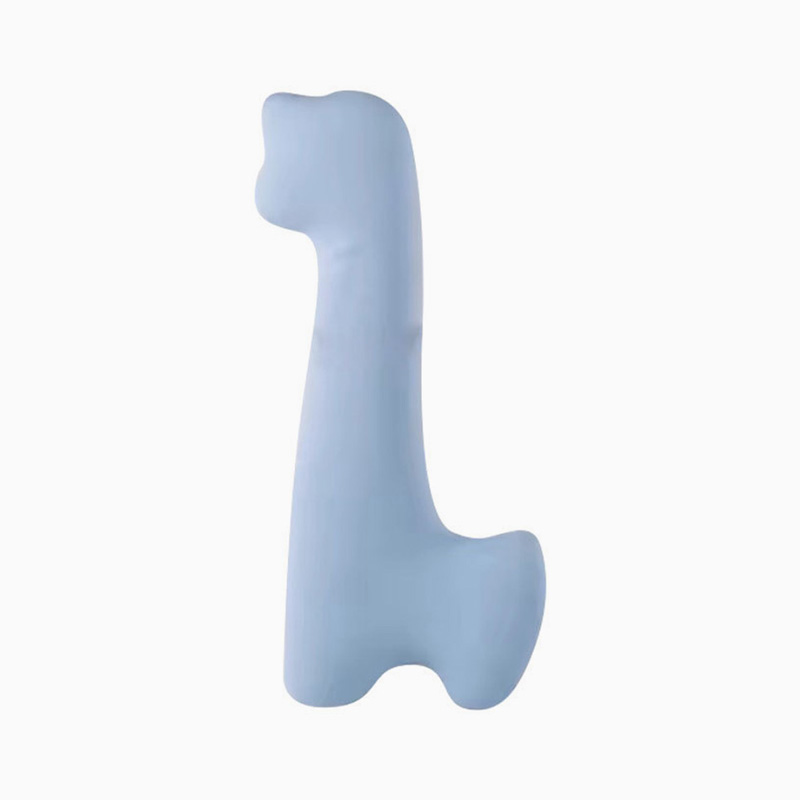
Stomach sleepers often turn their heads to one side, placing the greatest stress on the cervical spine. Pillows for stomach sleeping should be low or ultra-low to avoid excessive neck extension. The material should be soft enough to allow the head to sink while still providing some support to prevent muscle strain. Adjustable-height pillows can help reduce lateral cervical pressure. Stomach sleepers benefit from narrow pillows that allow the shoulders to remain close to the mattress and maintain unobstructed breathing.
Pillow Selection Standards for Mixed Sleepers
Some individuals do not have a fixed sleep position, alternating between back, side, or even stomach sleeping. Pillows for mixed sleepers should balance height, firmness, and contour design to support multiple cervical positions. Dual-layer or adjustable memory foam pillows provide versatile support. Medium-firm fillings ensure stability while accommodating various positions. Pillow surfaces should also prioritize breathability and comfort to reduce nighttime tossing and improve overall sleep quality.
Materials and Personalized Considerations
Pillow material plays a key role in supporting different sleep positions. Memory foam conforms to head and neck shapes, distributing pressure evenly. Latex offers elasticity and quick rebound, suitable for side sleepers or those who move frequently. Pillow covers should provide breathability and comfort. Personal factors, such as body weight, shoulder width, and cervical health, also affect pillow selection. Larger individuals generally require higher and firmer pillows for proper support, while smaller individuals benefit from lower and softer options.
Impact of Cervical Pillows on Sleep Quality and Spinal Health
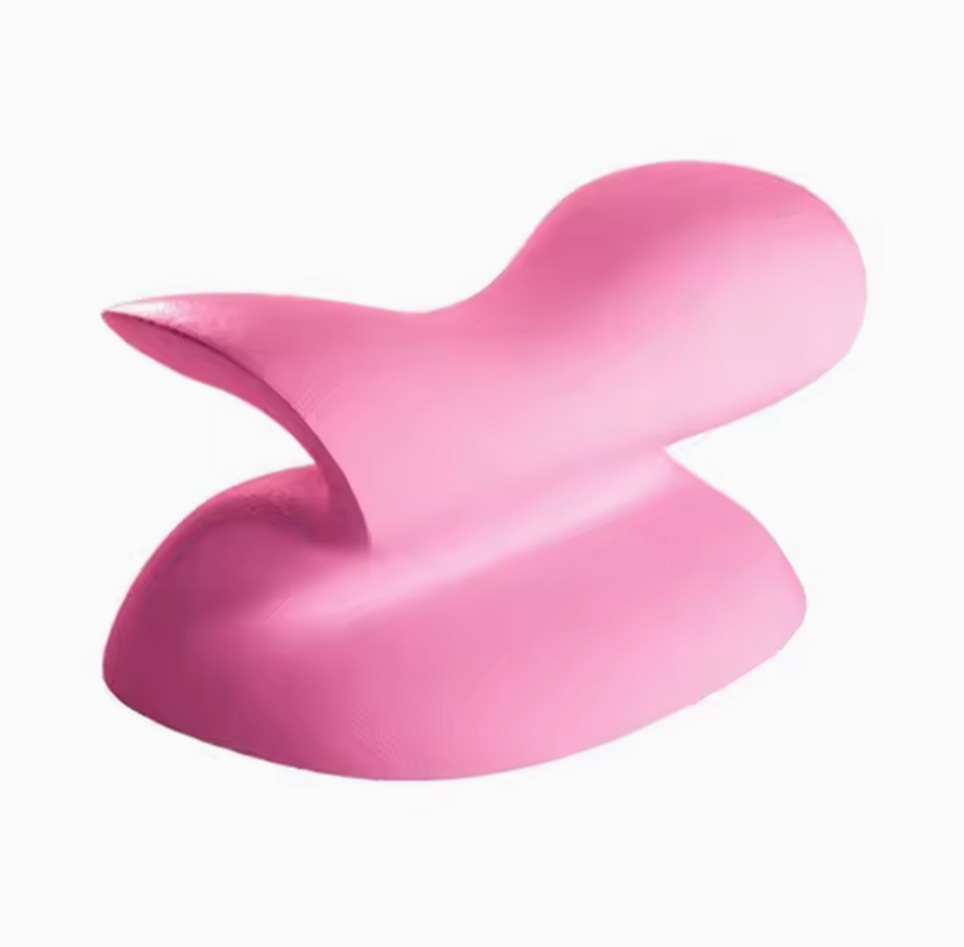
Choosing a pillow that matches your sleep position helps maintain the natural cervical curve and reduces nighttime muscle tension and fatigue. Back sleepers benefit from cervical extension support, side sleepers maintain spinal alignment, and stomach sleepers reduce rotational stress. Proper pillow selection improves sleep comfort, lowers the risk of neck pain, shoulder strain, and morning stiffness, and supports long-term cervical health.
 previous post