 English
 عربى
عربىHow to Choose the Best Memory Foam Pillow and Cushion for Optimal Ergonomic Support
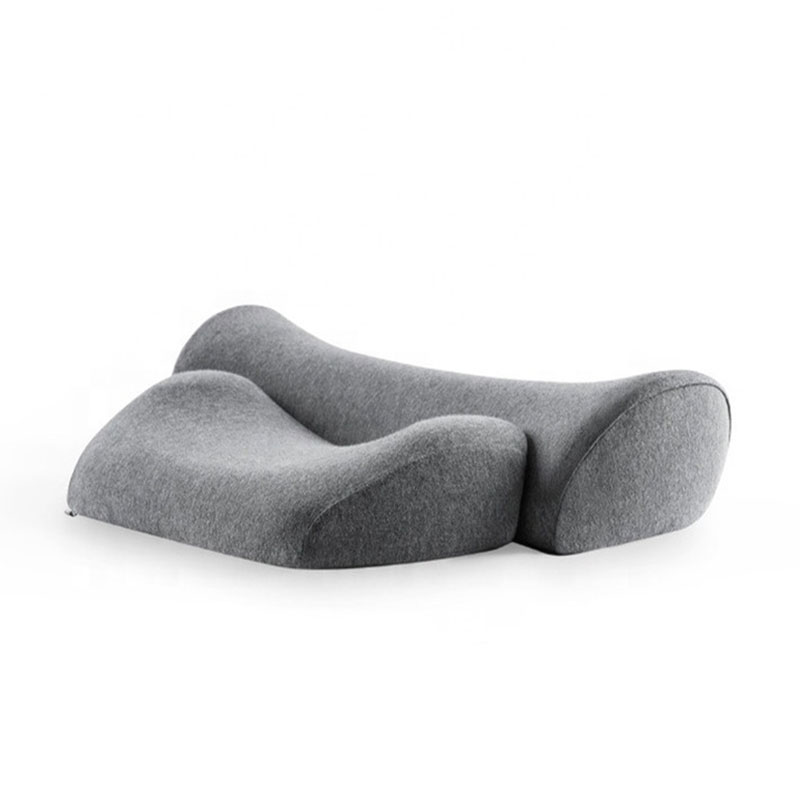
In modern ergonomic design, the physical response characteristics of materials are the core determinants of support performance. Whether it is memory foam cushion, foam pillow, or memory foam pillow, the core value lies in the ability of viscoelastic polyurethane foam to achieve efficient support for the human structure through thermal response and pressure distribution. For long-term static support scenarios, in-depth understanding of the engineering parameters of these materials is crucial for selecting appropriate memory foam chair cushion and ensuring the long-term safety of non toxic memory foam pillow.
Engineering Parameters of Viscoelastic Materials: Density and Hardness
Key indicators for evaluating the quality of memory foam cushion include foam density and indentation load deflection (ILD/IFD). Density measures the amount of material filled per unit volume and directly determines the durability and fatigue resistance of the support layer.
Density Standards (PCF/kg/m³): Industrial standards typically use PCF (pounds per cubic foot) or kg/m³. For office seat cushions, it is recommended to choose materials above 3.5 PCF (approximately 56 kg/m³). High-density materials have a stronger cell wall structure, which can effectively prevent plastic deformation under long-term compression and extend service life.
Indentation Load Deflection (ILD): This indicator reflects the initial feel of the foam. The hardness requirements for different application scenarios vary significantly:
Office Seat Support: Typically uses 12–16 ILD, aimed at providing uniform weight distribution to prevent excessive local pressure at the ischial tuberosities.
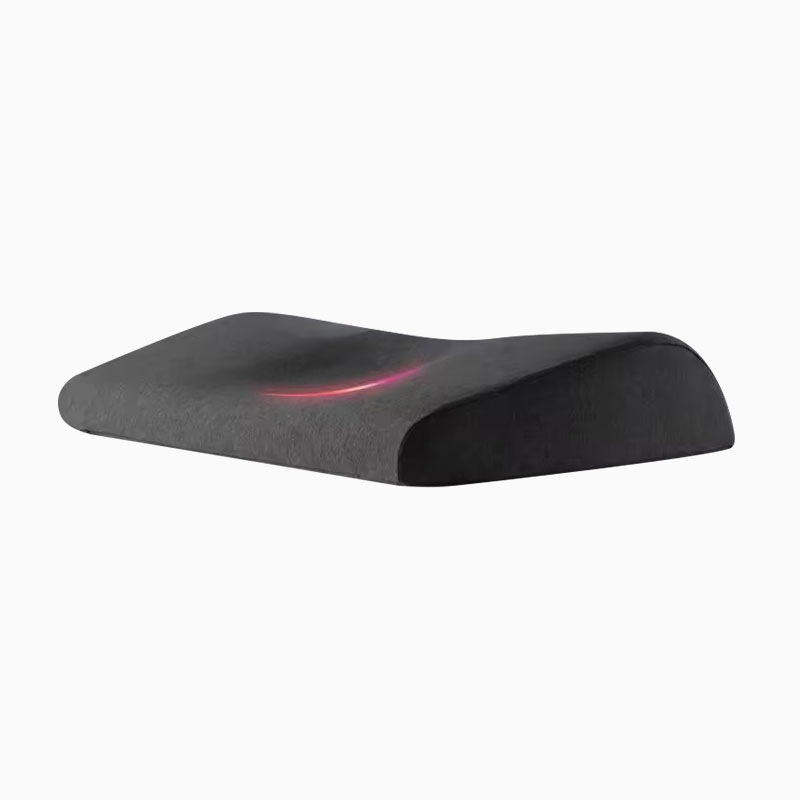
Lumbar Support: To maintain the natural physiological curve of the spine, stronger support is usually required. 14–18 ILD is recommended to provide sufficient resistance feedback when pressure is applied.
Support and Cervical Alignment of Pillow Systems
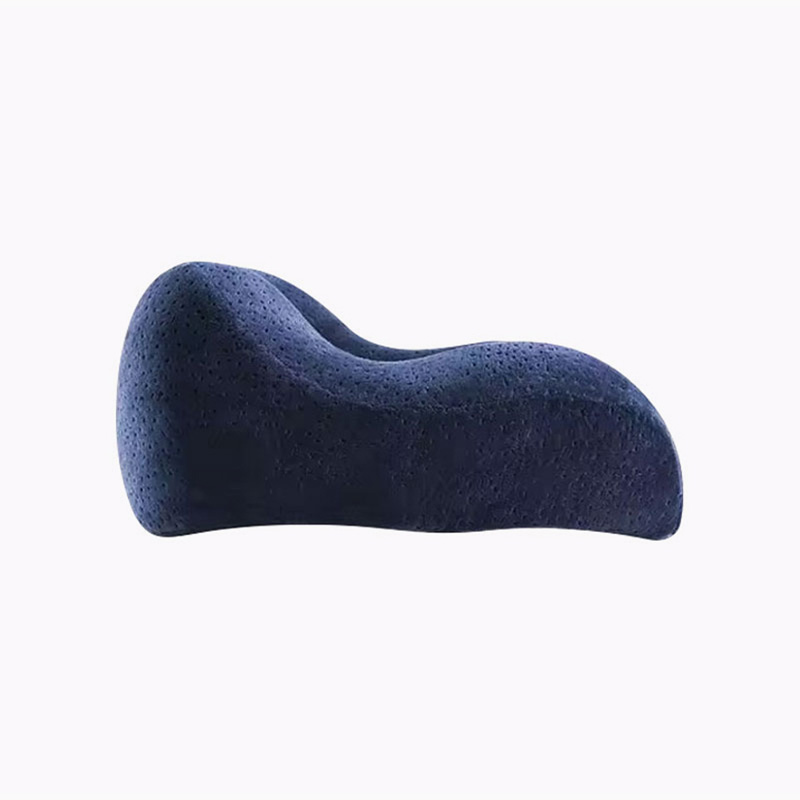
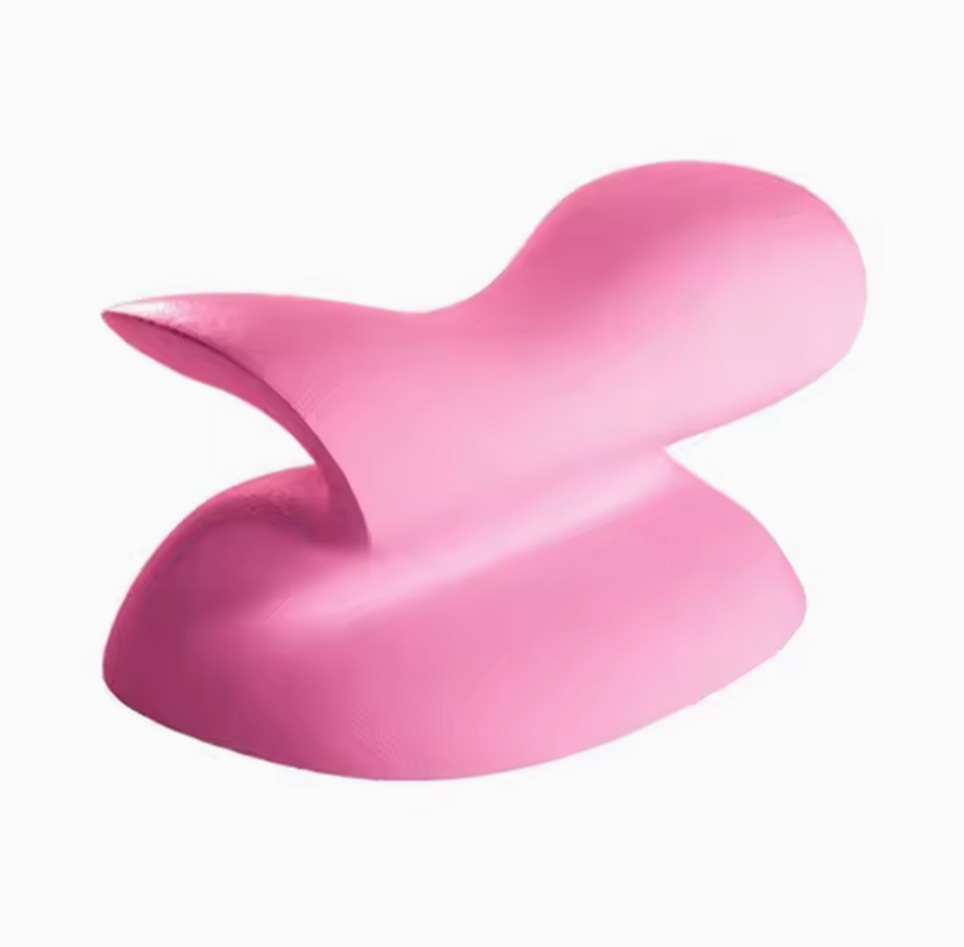
When choosing a foam pillow or memory foam pillow, the matching of sleeping position and pillow height (Loft) is the core factor. Incorrect support height can cause the cervical spine to be in an unnatural curved state during sleep, resulting in compensatory muscle fatigue.
Sleeping Position and Loft Height Configuration Table
| Sleeping Position | Recommended Loft Height Range | Core Support Focus |
| Side Sleeping | 12.5cm–15cm (5-6 inches) | Fill the gap between the ear and the shoulder to keep the spinal axis straight |
| Back Sleeping | 7.5cm–12.5cm (3-5 inches) | Maintain cervical lordosis and prevent excessive jaw compression toward the chest |
| Stomach Sleeping | 5cm–10cm (2-4 inches) | Low support to prevent excessive neck rotation strain |
Mechanical Feedback: Compared to traditional synthetic foam, memory foam has slow-rebound characteristics and can absorb dynamic movement energy. When adjusting sleeping positions, the material softens through thermal induction and slowly conforms to the shape of the head, achieving continuous pressure release from the neck to the back.
Safety Indicators and Environmental Compliance
For users pursuing long-term healthy support, the safety of non toxic memory foam pillow has become the primary standard for product selection. When evaluating material safety, it is essential to focus on whether it has passed industrial-level VOC (Volatile Organic Compound) emission testing.
The manufacturing process of high-quality polyurethane foam should strictly limit the use of the following substances:
Formaldehyde Emissions: Controlled airflow treatment is required during the production process to ensure that VOC content is at a very low level upon product delivery.
Banned Flame Retardants: Under the premise of complying with industry safety standards such as TB117-2013, chemical flame retardants known to have bioaccumulative or endocrine-disrupting risks should be eliminated.
Certification Reference: Industrial-grade compliant products usually provide relevant chemical safety test reports for the materials, ensuring that the foam contains no azo dyes or harmful heavy metals.
Ergonomic Application Principles of Seat Cushions
The core engineering goal of memory foam chair cushion is to optimize sitting mechanics. Long-term sitting can lead to posterior pelvic tilt and straightening of the physiological curvature of the lumbar spine. Through the structural support provided by high-density memory foam:
Pressure Redistribution: Through the viscoelasticity of the material, body weight is transferred from sensitive points such as the tailbone to a wider support surface, effectively reducing blood circulation resistance.
Postural Correction: A good lumbar support cushion can provide passive correction, using physical mechanical support to maintain the spine's natural "S" shape, thereby reducing the amount of active muscle contraction required to maintain a correct posture.
In actual use, ensure the breathability (Airflow) of the covering fabric to balance the heat absorption characteristics generated by the material. For all types of support products, maintaining the integrity of the material structure is a necessary condition for ensuring its ergonomic performance. It is recommended to pay attention to the material's recovery rate and anti-compression capability to ensure that the product maintains its initial engineering set values after multiple daily loadings.
 previous post