 English
 عربى
عربىAre Memory Foam Back Support Pillows the Solution to Your Chronic Back Pain
In an environment where prolonged sitting in offices and long-distance driving are increasingly common, back pain caused by spinal pressure has become a core issue plaguing professional populations. To alleviate physiological pressure and improve posture, ergonomic support products have emerged. By reasonably applying different types of support materials and structural designs, it is possible to effectively reduce disc load and protect the lumbar curvature.
Biomechanical Significance of Core Support Materials
Most mainstream support products on the market use high-density slow-rebound materials, known as memory foam. Its core biomechanical advantages include:
Uniform Stress Distribution: Traditional rigid chair backs usually cause pressure concentration at body contact points, leading to poor blood circulation. memory foam materials possess excellent viscoelasticity, deforming slowly under pressure, which allows the pressure distribution on the contact surface to become uniform and significantly reduces the pressure gradient on the side of the body under stress.
Temperature-Sensitive Deformation: memory foam has temperature-sensitive characteristics. As body heat is transferred, the material automatically adjusts its density and support force based on the physiological curve of the user's spine, achieving "dynamic fit" and minimizing gaps to provide effective physical resistance to maintain normal spinal physiological curvature.
Functional Positioning of Different Product Types
Facing diverse product choices, clarifying the applicable scenarios for different structures is a prerequisite for scientific purchasing.
memory foam lumbar support and memory foam back pillow
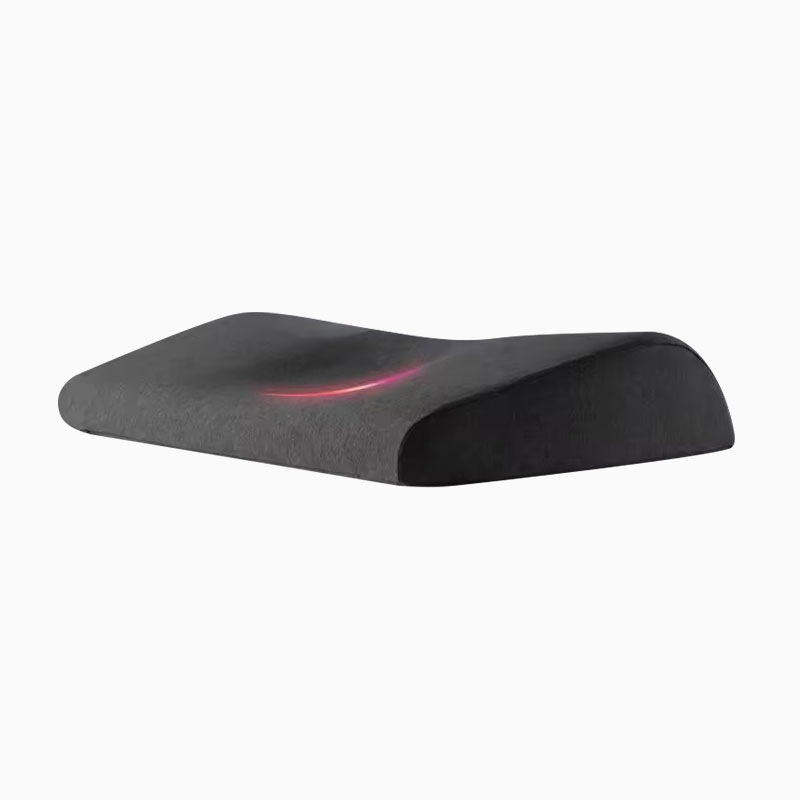
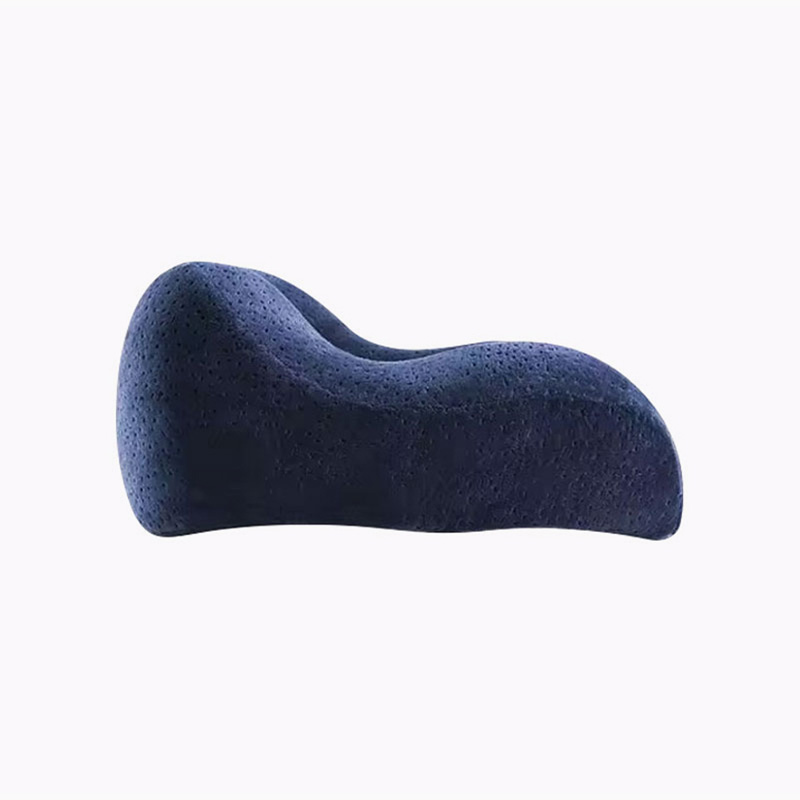
These products are typically designed in an S-shape or semi-cylindrical shape, aiming to fill the space between the lower back and the chair back. When the user is in a relaxed sitting position, the lumbar spine often protrudes backward due to back muscle fatigue. Placing a suitable memory foam lumbar support can force the maintenance of the normal physiological angle of lumbar lordosis, reducing pressure on the lumbar intervertebral discs and alleviating muscle strain.
memory foam backrest pillow
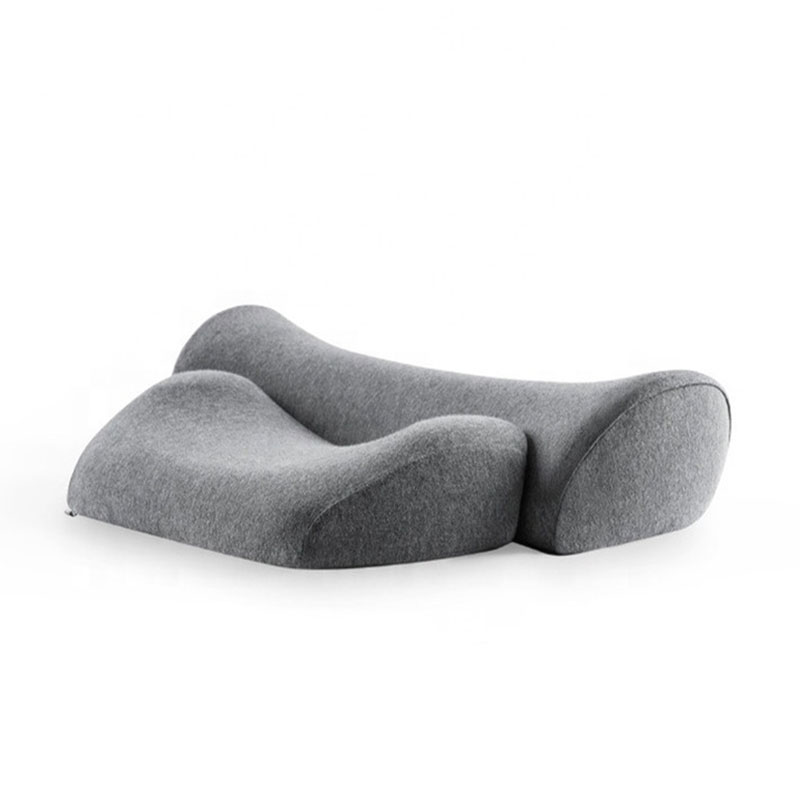
Compared to products that only support the waist, a memory foam backrest pillow typically offers broader coverage, providing comprehensive support from the lower thoracic spine to the lumbosacral region. This is critical for users who need to maintain a semi-reclined or specific working angle for extended periods, as it guides the chest to open and reduces muscle burden around the shoulder blades.
memory foam coccyx seat cushion
When pressure concentrates on the sacrum and coccyx, it not only causes localized pain but can also lead to pelvic tilt, triggering chain reactions of back pain. The memory foam coccyx seat cushion, through its unique U-shaped cutout design, allows the sacrum and coccyx to be suspended, effectively avoiding direct pressure from hard seats on the tailbone and transferring the force points evenly to the back of the thighs and gluteal muscles.
Key Parameter Comparison Reference
To assist users with different needs in making scientific evaluations, the following lists the key parameter comparison dimensions for different forms of memory foam support cushion:
| Evaluation Dimension | memory foam lumbar support | memory foam coccyx seat cushion |
| Support Focus | Lumbar physiological lordosis position | Pelvis and sacrococcygeal position |
| Main Function | Maintain spinal curves, reduce lumbar muscle strain | Relieve tailbone pressure, correct sitting balance |
| Structural Form | Three-dimensional arc/lumbar rest form | Flat support/hollowed-out center form |
| Core Applicable Population | Office workers, long-distance drivers | Tailbone-sensitive individuals, those with hip numbness after long sitting |
How to Evaluate the Effectiveness of Support Products
Not all memory foam products are suitable for everyone. When choosing, focus on the following technical indicators:
Density and Hardness: High-quality memory foam typically has a moderate density (usually between 45kg/m³ and 60kg/m³). Too low density leads to insufficient support, while too high density creates pressure. An ideal product should provide support while offering a rebounding feedback from the material against the body.
Thickness and Depth: Whether choosing a memory foam back cushion or other forms of support pads, the thickness should be sufficient to compensate for the gap between the seat and the spine, but it should not be too thick to avoid pushing the body excessively away from the center of the seat, causing instability.
Breathability Design: Considering long-term use, the heat dissipation performance of the material is critical. It is recommended to pay attention to support products with air-hole designs or those using special textured fabric covers to ensure dryness during continuous use.
By scientifically configuring a memory foam support cushion, we can optimize the sitting environment at a physical level and reduce tissue damage caused by long-term poor posture. By combining different types of support solutions for specific back problems, one can build a support system that better meets individual ergonomic needs.
 previous post