 English
 عربى
عربىWhy is a Body Pillow for Side Sleepers Essential for Spine Alignment
Maintaining a healthy sleep posture is an active health management approach to alleviating daily muscle fatigue and protecting the physiological curvature of the spine. In the field of ergonomic bedding, innovative products designed for diverse needs are changing public perceptions of sleep quality. Through reasonable structural design and material innovation, modern pillows not only enhance basic comfort but also play a critical role in preventing muscle strain and maintaining postural stability.
Support Requirements and Core Material Analysis for Side Sleeping Postures
For the majority of individuals who maintain a side sleeping posture, because the physical width of the shoulders and hips is significantly greater than that of the neck and waist, the pelvis is prone to tilting or twisting. This improper positioning causes the lumbar spine, vertebral column, and surrounding muscle groups to remain in a state of continuous tension.
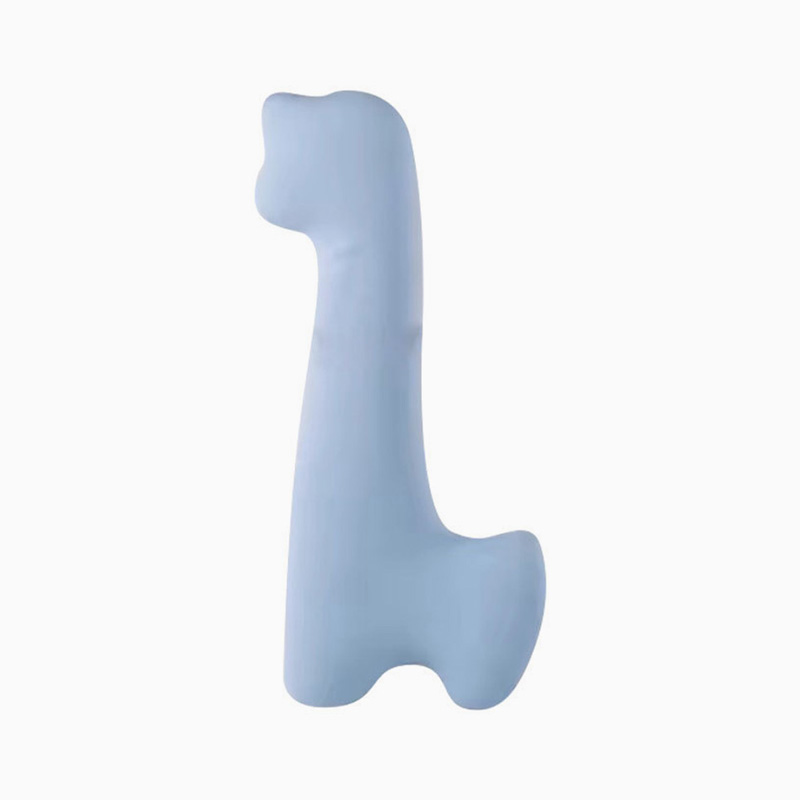
To address this issue, the design philosophy of a body pillow for side sleepers focuses on providing continuous physical support. When a sleeper places their upper limbs on a long, supportive structure, it effectively balances the horizontal height of both shoulders, prevents the chest cavity from collapsing forward, and limits thigh adduction, thereby maintaining the spine and pelvis in a relatively neutral and natural straight line.
In terms of material selection, the Memory Foam Body Pillow demonstrates excellent technical advantages. High-density memory foam possesses unique viscoelastic and temperature-sensitive properties, allowing it to deform precisely based on body pressure and temperature:
- Even Pressure Distribution: Memory foam evenly distributes localized pressure across the entire contact surface, preventing limb numbness caused by prolonged compression of local blood vessels.
- Dynamic Physical Adaptation: When sleepers micro-adjust their posture during the night, the memory foam slowly rebounds and contours to the body shape, providing uninterrupted support.
The Dual Evolution of Full-Body Support Systems and Cultural Derivative Demands
With the popularization of healthy sleep concepts, pillow designs have extended from single head support to comprehensive torso support. The emergence of the full body pillow is precisely to meet this comprehensive demand for body pressure relief.
This full-size design can simultaneously support the head, chest, abdomen, knees, and ankles. By providing a physical length of more than one meter, it constructs a secondary cushioning system between the human body and the mattress. For individuals who need to stay in bed for long periods, are in special physiological cycles, or suffer from chronic lower back discomfort, the full-size design can significantly reduce the frequency of unconscious turning at night, thereby extending deep sleep time.
At the same time, this long pillow, which combines functionality with elongated form, has also derived diversified expressions in different consumer cultural circles. As an extension of anime culture, the anime body pillow incorporates unique visual print art while maintaining the excellent ergonomic support performance of traditional long pillows. This product not only provides superior physical support but also delivers a sense of psychological relaxation through comfortable tactile feedback and personalized visual patterns, thereby assisting in relieving daily stress from both physiological and psychological dimensions.
Core Specifications and Material Technical Parameters Comparison
To present the physical properties and applicable scenarios of different product types more intuitively, the following outlines the key technical parameters comparison between high-density memory foam and traditional polyester fiber in long pillow applications:
| Physical and Performance Indicators | High-Density Memory Foam Parameters (Memory Foam System) | Traditional High-Elastic Polyester Fiber Parameters (Polyester Fiber System) |
| Core Density (Density) | 45 kg/m3 to 80 kg/m3 | 15 kg/m3 to 25 kg/m3 |
| Responsiveness (Rebound Time) | 3 to 5 seconds slow rebound | Instant rebound |
| Pressure Distribution Rate | Above 85 percent, high contouring capability | About 50 percent to 60 percent, noticeable local bounce-back force |
| Anti-sagging Ability | Excellent, resistant to permanent deformation after long-term use | Moderate, prone to local sagging under long-term heavy pressure |
| Breathability Coefficient | Depends on whether open-cell technology is applied | Large gaps between fibers, good basic air permeability |
| Functional Adaptation to Keywords | Perfect fit for Memory Foam Body Pillow | Commonly used for standard full body pillow or anime body pillow filling |
How to Correctly Configure Pillows Based on Physiological Structure
Choosing the most suitable pillow system requires a rational assessment based on an individual's height, weight, and primary sleep habits:
Height and Hardness Matching: When side sleeping, the height of the pillow should be equal to the width of a single shoulder. Insufficient hardness or height will cause the cervical spine to bend sideways, leading to muscle soreness after waking up.
Length Selection: The ideal functional pillow length should cover the distance from the chest to the ankle. This means that whether choosing a standard healthy body pillow for side sleepers or an anime body pillow with specific visual preferences, the length should generally not be less than 120 centimeters to ensure sufficient resting space for the lower limbs.
Skin-friendly and Breathable Fabrics: Since long pillows come into contact with a large area of human skin, the moisture-wicking performance of the outer cover is crucial. It is recommended to configure high-count pure cotton, bamboo fiber, or specialized cooling fabrics to prevent local heat accumulation during the night.
By scientifically understanding the correspondence between bedding parameters and human anatomy, users can adjust their sleeping environment with better targeting. Introducing physical support tools with advanced materials into daily sleep is a practical guarantee for achieving high-efficiency and high-quality rest.
 previous post