 English
 عربى
عربىHow to Position a Lumbar Support Cushion: 5-Step Guide
Why Cushion Placement Matters More Than You Think
Before you can relieve lower back pressure during long sitting sessions, you need to know how to position a lumbar support cushion correctly. Most sitting-related back fatigue comes not from a lack of support, but from support in the wrong spot. Your lumbar spine has a natural inward curve. When you sit for hours, your pelvis rolls backward, that curve flattens, and the discs and ligaments in your lower back absorb extra strain.
A lumbar cushion fills the gap between your lower back and the chair back, helping that curve stay intact. But the same cushion that supports you at the right height can work against you at the wrong one. Placed too high, it pushes your shoulders forward. Placed too low, it presses against the sacrum, where there is no curve to support. Pushed in too deep, it forces your back muscles to tense up and fight the pressure all day.
Occupational health guidance from bodies like OSHA emphasizes keeping a neutral spine position during prolonged sitting. A correctly placed lumbar cushion encourages that neutral alignment. A misplaced one quietly undermines it, which is why placement deserves your attention before anything else.
Find Your Natural Landmarks: A 30-Second Body Check
Before you position the cushion, spend 30 seconds finding two reference points on your body. First, sit down and slide a hand underneath you until your palm rests on the bony point at the base of your spine. That is your tailbone. The target area for the cushion sits roughly 2 to 4 inches (5 to 10 cm) above it, where the inward curve of your lumbar spine is deepest.
The second landmark is simpler: your belt line. The top edge of your waistband sits close to the lower portion of your lumbar curve for most people, which makes it a fast visual check that does not require touching your back. The fullest part of the cushion should line up with this point.
The Rule of Thumb for Height
The lumbar spine has five vertebrae, labeled L1 through L5 from top to bottom. The deepest part of the inward curve falls around L3 and L4, which in a seated position sits roughly behind and slightly above your belly button. That is your height target. Because your pelvis rotates slightly when you move from standing to sitting, check the landmark while seated, not while standing, before you commit to a position.
The 5-Step Method for Positioning Your Lumbar Cushion
The method below builds from your starting posture to a finished position you can verify. Follow the steps in order; each one sets up the next.
Step 1 — Start from Your Neutral Sitting Position
Slide back so your buttocks rest against the chair back. Do not slouch, and do not sit on the front edge in anticipation. Sit upright with your pelvis level, not rolled forward or backward. This neutral posture is the reference that everything else depends on. If the pelvis is tilted, the lumbar curve itself shifts, and no cushion position can fully correct the mismatch.
Step 2 — Place the Cushion Behind Your Lower Back
With your neutral position in place, set the cushion between your lower back and the backrest. Align the thickest portion of the cushion with your belt line, or about 2 to 4 inches above the tailbone. Center it horizontally so it supports both sides of the spine evenly instead of pressing on a single spot. When choosing a memory foam lumbar support cushion, pay attention to its overall shape and thickness. A contoured surface tends to follow the curve more naturally than a flat block.
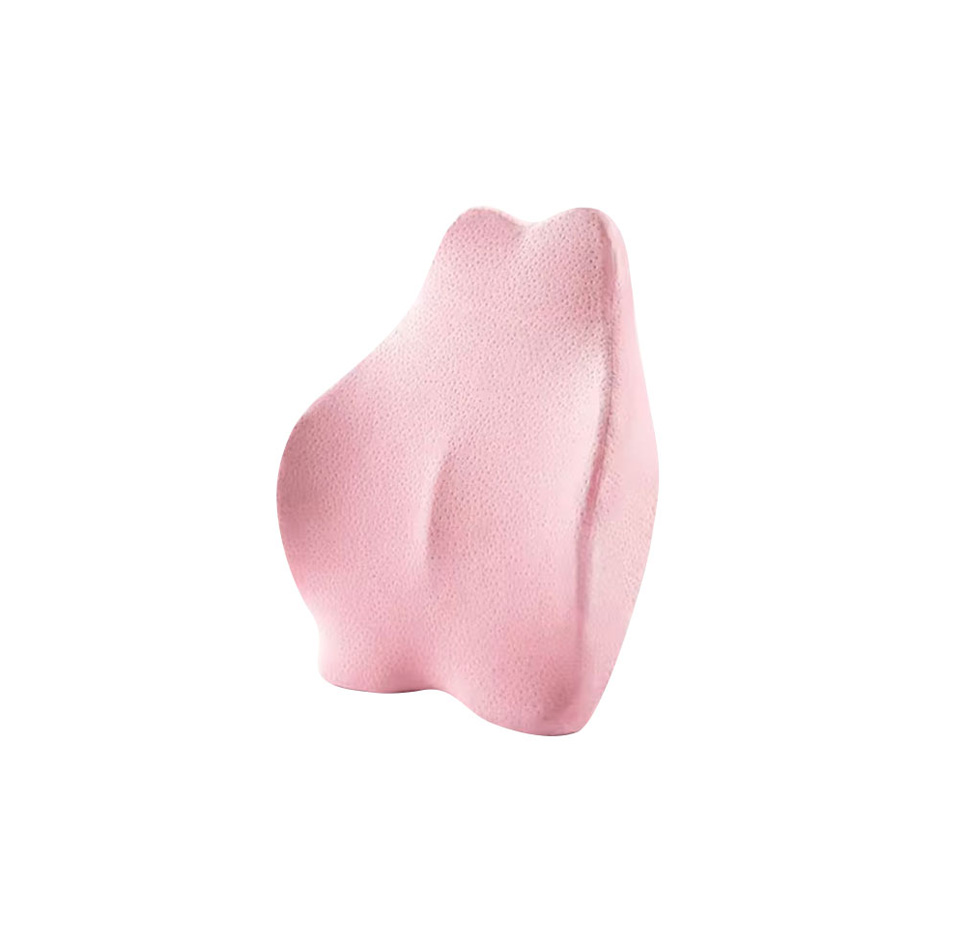
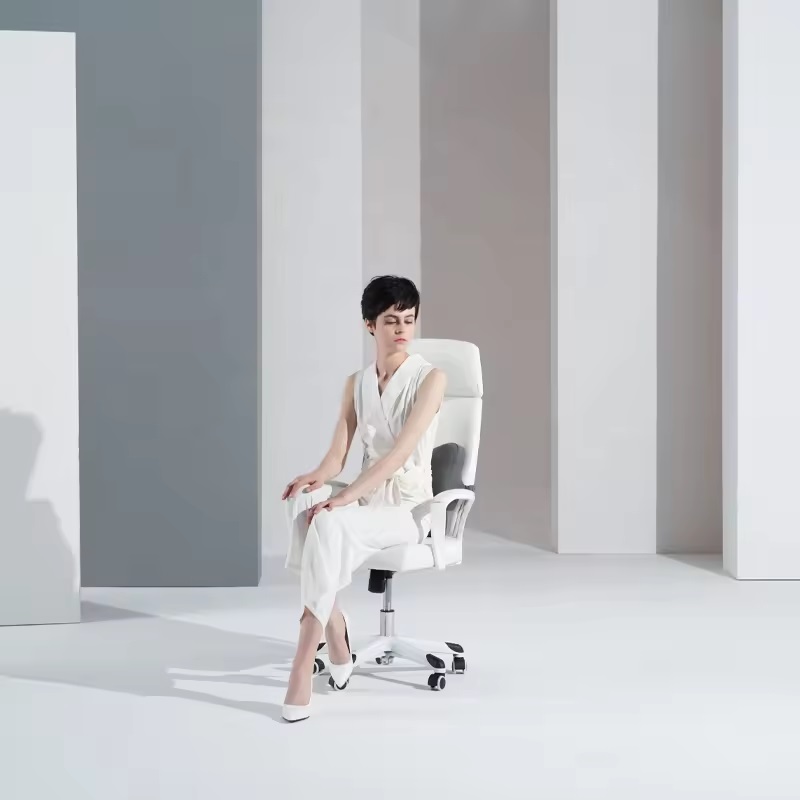 Wholesale Bravo Memory Foam Lower Back Support Cushion Suppliers, FactoryNantong Bulawo Home Textile Co,. Ltd. is China wholesale Bravo Memory Foam Lower Back Support Cushion suppliers and Bravo Memory Foam Low...View Product →
Step 3 — Adjust the Depth Until It "Cradles" Not "Pushes"
Lean back slowly and feel how the cushion meets your back. Correct depth feels like a cradle: the cushion fills the empty space and supports the curve without driving your spine forward. If you prefer thicker lumbar cushions, expect to dial back the depth other adjustments require — a thick cushion used at full height can overextend the spine and leave you more uncomfortable than before.
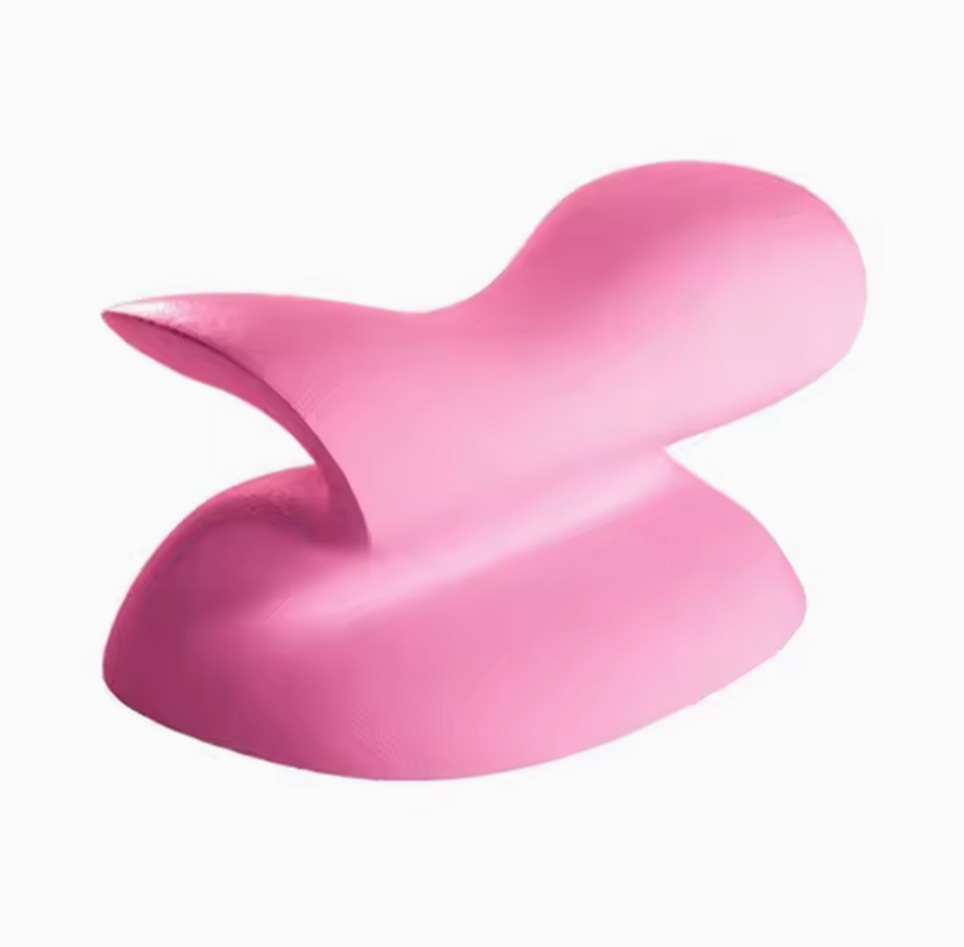
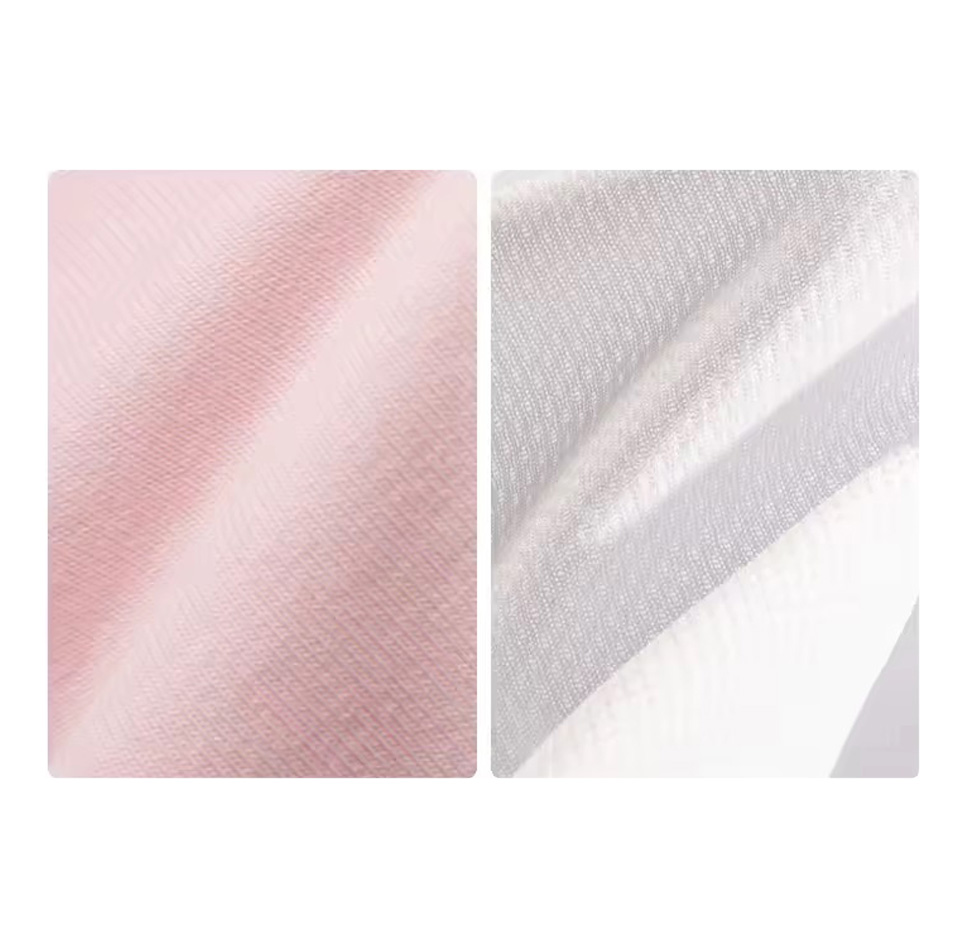 Wholesale Bravo Memory Foam Thicken Lower Back Pain Relief Waist Support Lumbar Nantong Bulawo Home Textile Co,. Ltd. is China wholesale Bravo Memory Foam Thicken Lower Back Pain Relief Waist Support Lumbar Cushion su...View Product →
Use a simple breathing check. Take a few slow breaths in a relaxed sitting position. If you are bracing your core or holding your breath to tolerate the pressure, the depth is too much. If you have to lean forward to touch the cushion at all, it is too shallow. The right setting lets your back muscles switch off completely.
Step 4 — Secure the Cushion in Place
If the cushion has an elastic strap, wrap it around the chair back and pull it moderately tight. A strap that is yanked too hard will deform the foam and change its feel; a loose strap allows the cushion to slip during the day. If there is no strap, position the cushion against the backrest, then sit back slowly so your body weight holds it in place. Many memory foam cushions have a non-slip back that helps with this. During the first hours, you may need to nudge it back into place after standing up, which is normal.
Step 5 — Test, Sit for 5 Minutes, and Re-adjust
A 10-second check is not enough. Sit in your normal working position for about five minutes, then ask yourself three questions. Does your lower back feel supported or strained? Are your hips or thighs numb? Are you shifting constantly to find comfort? Any "yes" means a small adjustment — raise or lower the cushion by an inch, or ease up the depth — and then repeat the cycle. The final position should feel so natural that you forget the cushion is there.
Cushion Positioning for Different Chairs and Seats
Office Chairs with Built-in Lumbar vs. Flat-Back Chairs
If your chair already has an adjustable lumbar curve that lines up with your back, adding a separate cushion can create a second pressure point. The rule is one active support: either the chair's built-in support or your independent cushion. If the built-in support does not match your spine, skip it and let an independent cushion take over. On a flat-back chair without any lumbar shape, the standard 2-to-4-inch height rule applies directly, and you will likely need a deeper cushion to fill the larger gap.
Car Seats, Sofas, and Dining Chairs
A car seat is more upright and narrower than an office chair, so a thinner cushion usually works better. Space is limited, and a thick cushion can push you too far forward from the pedals. If you need a lumbar cushion with an elastic strap for car seats, thread the strap around the seat back at hip level, then tighten until the cushion sits flush against the seat.
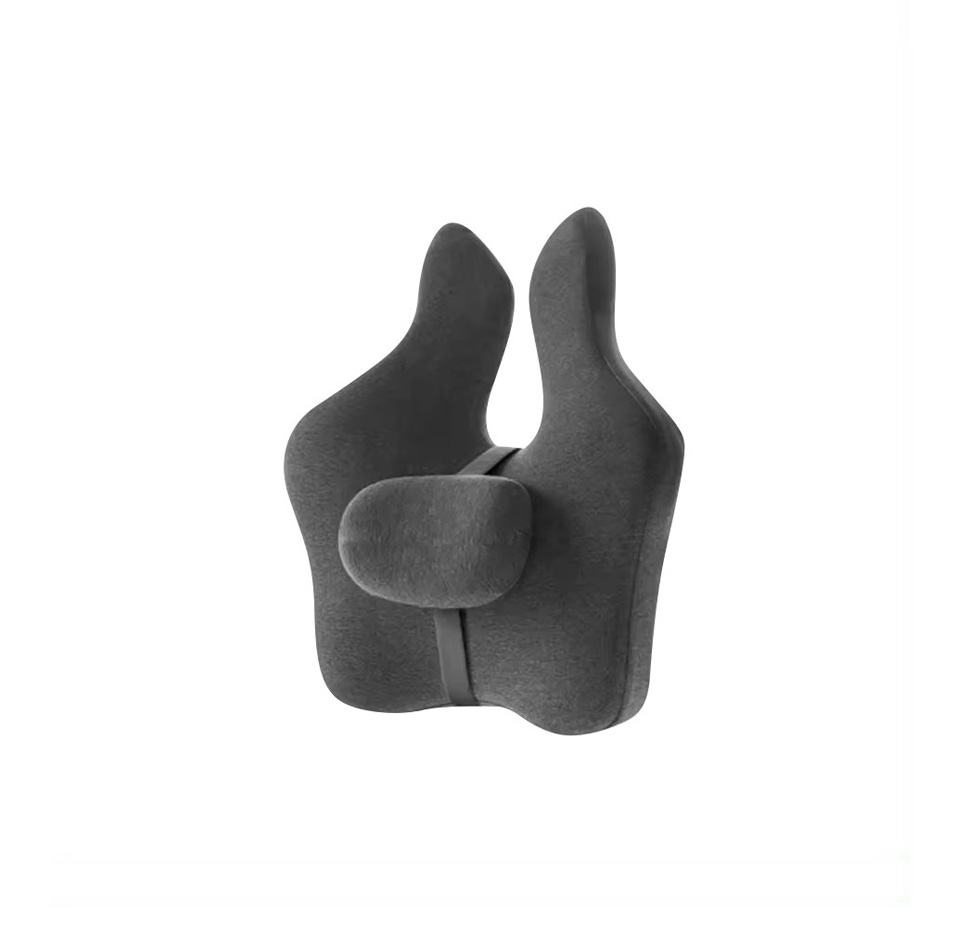
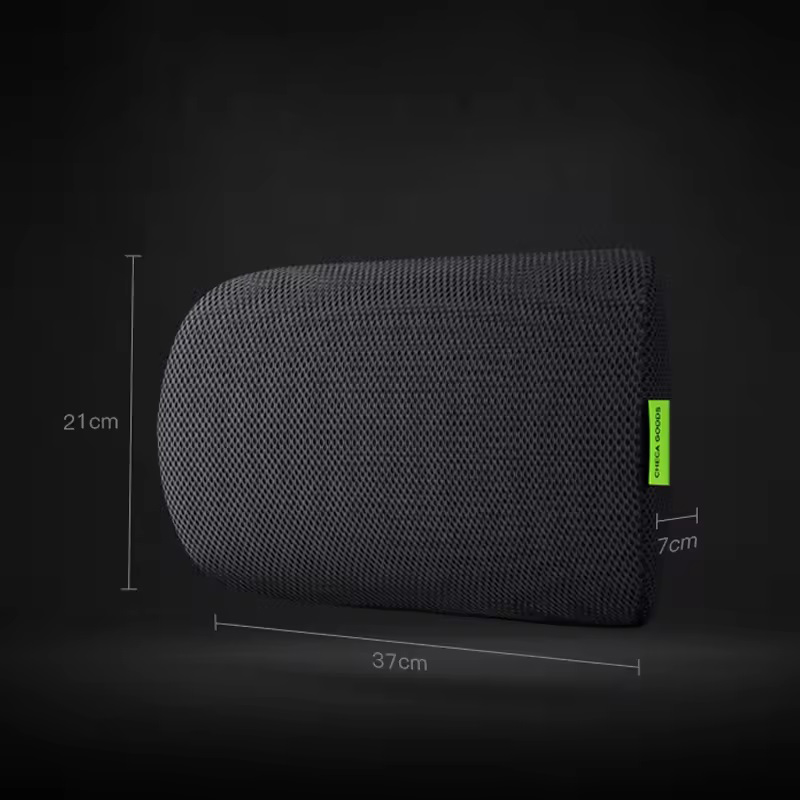 Wholesale Multi-Use Lumbar Support Pillow Memory Foam Lower Back Cushion with ElNantong Bulawo Home Textile Co,. Ltd. is China wholesale Multi-Use Lumbar Support Pillow Memory Foam Lower Back Cushion with Elastic Band...View Product →
Sofas bring a different trade-off: deep, soft seats that encourage slouching. Place the cushion slightly higher than you would in an office chair, and watch whether your pelvis starts to slide forward as you sink into the upholstery. Dining chairs are the simplest case — flat, rigid backs with a clean gap to fill — so follow the standard height rule and secure the cushion with a strap if you want it to stay put through a long meal.
| Chair type | Backrest profile | Key positioning adjustment |
|---|---|---|
| Office chair | Curved, adjustable | Use one support point; reduce independent cushion thickness if built-in lumbar is active. |
| Car seat | Upright, narrow | Use a thinner cushion; secure with a strap so pedal reach stays comfortable. |
| Sofa | Deep, soft | Position slightly higher; watch for pelvis sliding forward as you sink. |
| Dining chair | Flat, rigid | Follow standard height rule; strap recommended for steady support. |
5 Common Lumbar Cushion Positioning Mistakes to Avoid
These five errors show up again and again. Each has the same remedy: return to the 5-step method and reset the cushion from scratch.
- Placing it too high. When the thickest part of the cushion sits above your belt line toward the rib cage, it pushes the mid-back forward, rounds the shoulders, and leaves the lumbar region unsupported. The thickest point belongs at or just above the belt line.
- Placing it too low. When the cushion sits below the lumbar curve, it presses on the sacrum or tailbone area. That creates local pressure and does nothing for the curve. The cushion belongs 2 to 4 inches above the tailbone.
- Over-pushing the depth. More pressure is not more support. A cushion that forces your spine forward keeps your back muscles working all day and can deepen fatigue. You want contact without resistance.
- Leaving the back unsupported. If the cushion barely touches your back, it is decorative, not functional. This usually means the gap between the chair and your spine is larger than the cushion's thickness. Find a thicker or deeper cushion that makes firm continuous contact.
- Asymmetric placement. When the cushion sits slightly to one side, it twists the spine and loads one side of the back more than the other. Center the cushion exactly behind the midline of your spine.
How Long Should It Take to Feel the Difference?
With the cushion in the correct position, most people notice a difference within 5 to 15 minutes. Your lower back should feel supported, and the urge to shift or tense up should fade. Memory foam also responds to body heat, so the fit becomes more precise during the first few minutes as the material softens and conforms to your curve.
A short adaptation period is normal. If you have never used a lumbar support cushion before, the muscles around your lower back may take a few days to adjust to the new support. What you should not feel is pain. If soreness or numbness appears, reposition the cushion or take it out and work through the 5-step method again.
Re-evaluate your setup every few months. Memory foam loses some resilience with heavy daily use, and your chair or sitting habits may change. If the cushion feels flatter than before, or you find yourself repositioning it several times a day, re-check its height and depth. A cushion that worked well in your old office chair may need a completely different position in a new one.
 previous post