 English
 عربى
عربىIs a Lumbar Pillow Good for Sciatica? A Practical Guide
If sitting for a full workday sends pain from your lower back down through your buttock and leg, you have probably wondered whether a lumbar pillow is good for sciatica. Sitting is one of the most controllable triggers for sciatic nerve irritation, and in ergonomics and back-pain discussions this question comes up again and again. The short answer: yes, for many people, when the pillow is well designed, correctly placed, and used as part of a broader approach to nerve pain. Here is the evidence, the limitations, and the buying criteria that separate a useful lumbar pillow from a wasted purchase.
What Is Sciatica and Why Does Sitting Make It Worse?
Sciatica is not a disease; it is a set of symptoms. Pain, tingling, numbness, or weakness travels along the path of the sciatic nerve, which runs from the lower spine through the buttock and down the back of each leg. The underlying cause is usually a herniated disc, lumbar spinal stenosis, or piriformis syndrome, all of which compress or irritate the nerve roots at the lower spine.
Sitting aggravates this condition for a clear biomechanical reason. When you sit, your hips flex and your pelvis rotates backward, which flattens the natural forward curve, known as lordosis, of the lumbar spine. A flattened lumbar curve increases pressure on the intervertebral discs in the lower back; spinal research commonly places seated disc pressure at roughly 1.4 times the pressure of standing. That added load presses on the discs that may already be touching the sciatic nerve roots, and the irritation compounds over the course of a day. This is precisely why lumbar support has a role: it counteracts the mechanism that makes sitting painful.
What a Lumbar Pillow Actually Does (and What It Can't Do)
A lumbar pillow does not press on the sciatic nerve directly; it works on the spine above it. Placed between the lower back and the chair, the pillow fills the gap created by the backward-tilting pelvis, helping the pelvis return to a more neutral position and restoring part of the lumbar lordosis. That single correction has several effects:
- It relieves pressure on the posterior part of the intervertebral discs, the area where herniation typically develops.
- It reduces tension in the lower back muscles and ligaments, which helps prevent the muscle fatigue that makes nerve pain worse.
- It keeps the lumbar spine better aligned, reducing strain on the nerve roots that feed into the sciatic nerve.
The limitations deserve equal attention. A lumbar pillow cannot decompress a significantly herniated disc, widen a narrowed spinal canal, or release a tight piriformis muscle. It will not replace physical therapy, targeted stretching, or medical intervention when the root cause is serious. What it can do is remove one of the most common aggravators of sciatica: prolonged sitting with inadequate lumbar support. The benefits of memory foam lumbar cushions come from the foam's ability to conform to the spine and spread support over a wide area, rather than creating a single hard pressure point.
Lumbar Pillow vs. Other Sciatica Support Options: Which Do You Need?
Search for sciatica support products and you will find lumbar pillows, seat cushions, knee pillows, and full-body pillows. They all claim to help, but each one addresses a different part of the pain chain. The product category that matches your symptom location is the one most likely to deliver real relief.
| Product | Support area | Best for |
|---|---|---|
| Lumbar pillow | Lumbar spine curve | Lower back fatigue with radiating leg pain during sitting |
| Seat cushion | Buttock and tailbone | Buttock-centred pain and direct pressure on the sciatic nerve |
| Knee pillow | Pelvis alignment | Side sleepers who need neutral pelvic position at night |
| Full-body pillow | Whole-spine alignment | Sleepers who change position frequently |
Lumbar pillow
If your pain builds during the workday and starts in the lower back before spreading down the leg, a lumbar pillow targets the mechanical problem: loss of the lumbar curve. It supports the spine, not the hip.
Seat cushion
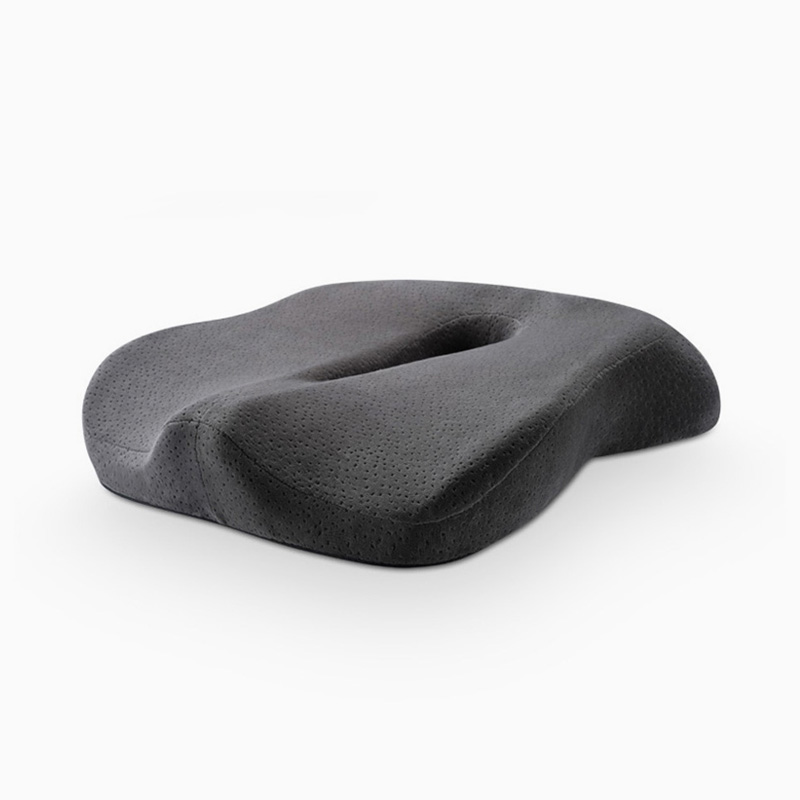
If pain is concentrated on one side of the buttock or your tailbone is tender, a seat cushion redistributes body weight and reduces direct compression on the sciatic nerve as it passes through the gluteal region. An orthopedic sciatica relief seat cushion is designed specifically for this symptom pattern.
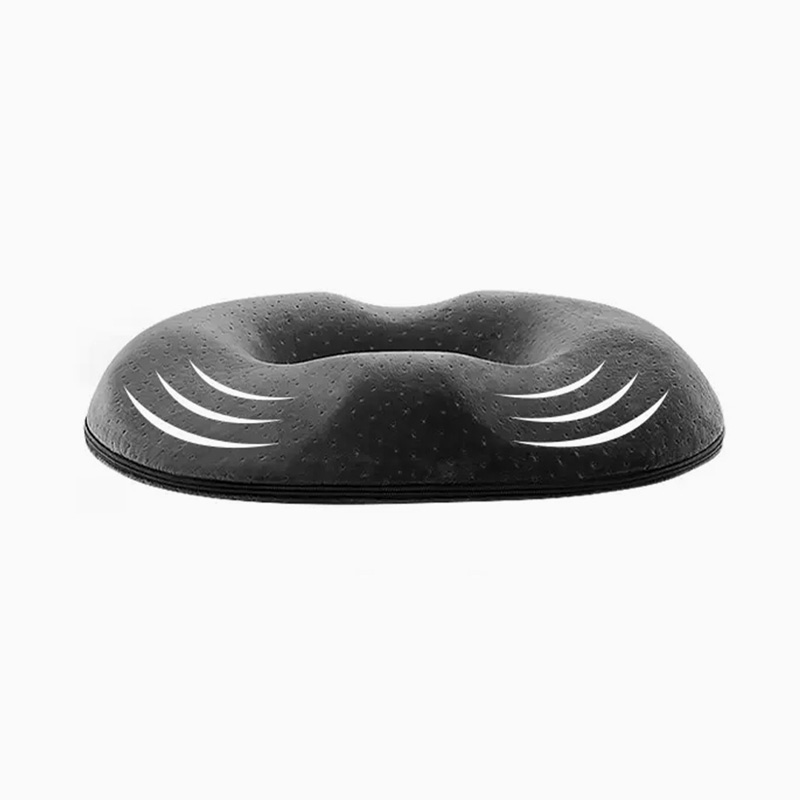 Wholesale Orthopedic Sciatica Pain Relief Cushion Factory, ManufacturersAs China Orthopedic Sciatica Pain Relief Cushion Manufacturers and Wholesale Factory, Nantong Bulawo Home Textile Co,. Ltd. provides type...View Product →
Knee pillow
For sleep, a firm pillow between the knees prevents the top leg from rotating the pelvis and spine out of alignment. This matters for sciatica because overnight spinal twisting keeps the nerve irritated even while you rest.
Combination approach
Many people with sciatica feel pain at more than one site. Lower back strain plus buttock pressure is common, and the practical answer is a lumbar pillow for the back combined with a seat cushion for the hips. The principle is simple: match the support to the symptom, rather than expecting one product to solve everything.
What to Look for in a Sciatica-Friendly Lumbar Pillow
Not all lumbar pillows are equal. A pillow that works for sciatica needs to satisfy several design criteria, each tied to how the lumbar spine behaves under load.
Memory foam density and rebound speed
Slow-rebound memory foam moulds to the individual shape of your lumbar spine and holds that contour while you sit. Low-density foam compresses quickly and loses support within weeks. The right foam feels dense but not hard, and slowly returns to its original shape after compression.
Shape and height
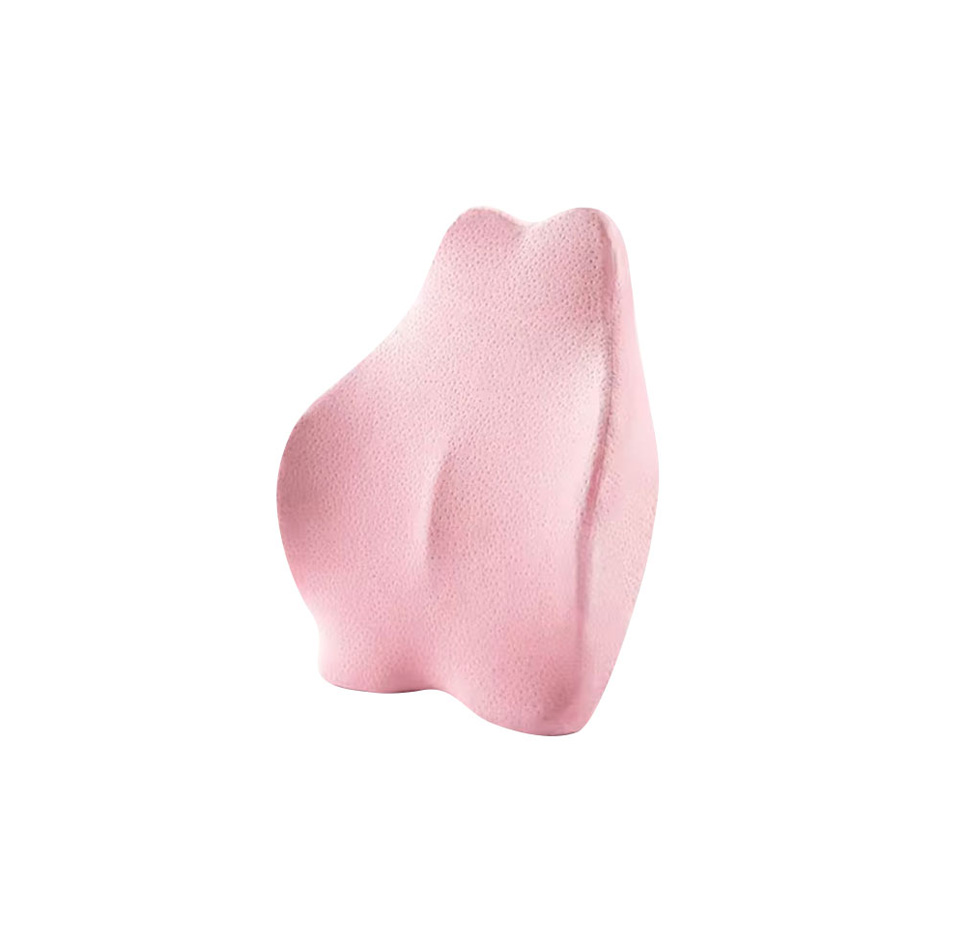
The pillow must fill the specific gap between your lower back and the chair back, which on most people sits about a hand's width above the hip. A contoured or wing-shaped profile that mirrors the natural lumbar curve distributes contact across the whole lower back. A flat pillow concentrates pressure on one spot and is noticeably less effective. A memory foam lower back support cushion with a shaped profile is a practical example of this principle.
Adjustability and attachment
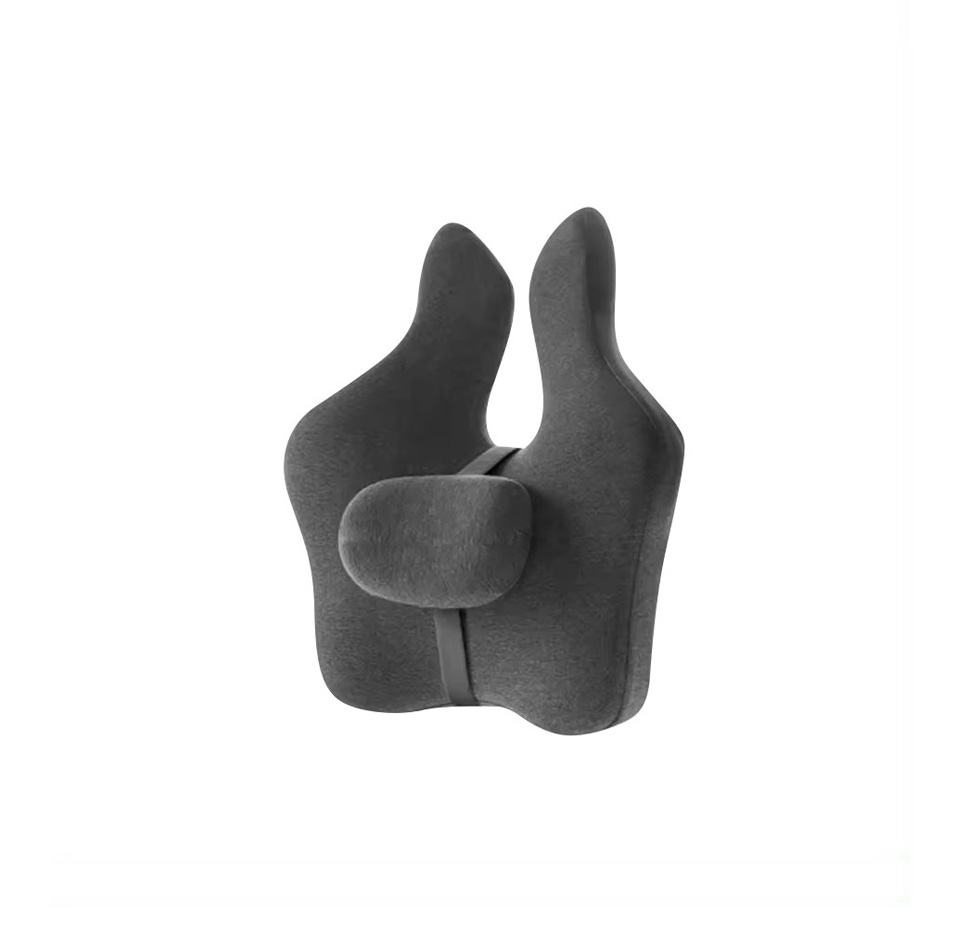
A strap that secures the pillow to the chair keeps it in position when you shift, lean forward, or stand. Without one, the pillow slides down and ends up supporting the sacrum rather than the lumbar curve. Adjustable straps also help you dial in the vertical position to match your height.
Breathability
You will spend hours against this pillow, and trapped heat makes long sits uncomfortable. Look for breathable cover fabric or a removable, washable cover. Hygiene and temperature matter for consistent daily use.
Size compatibility
A pillow that is wider than your chair or too tall for the seat back is more of a nuisance than a solution. Measure your chair and choose a pillow dimensionally matched to it. The same pillow that works in a car seat may be too small for an office chair.
When a product meets all of these criteria, it is worth a closer look. The thickened memory foam lumbar cushion from Bravo combines dense slow-rebound foam with a contoured profile and a strap, which checks the main boxes described above.
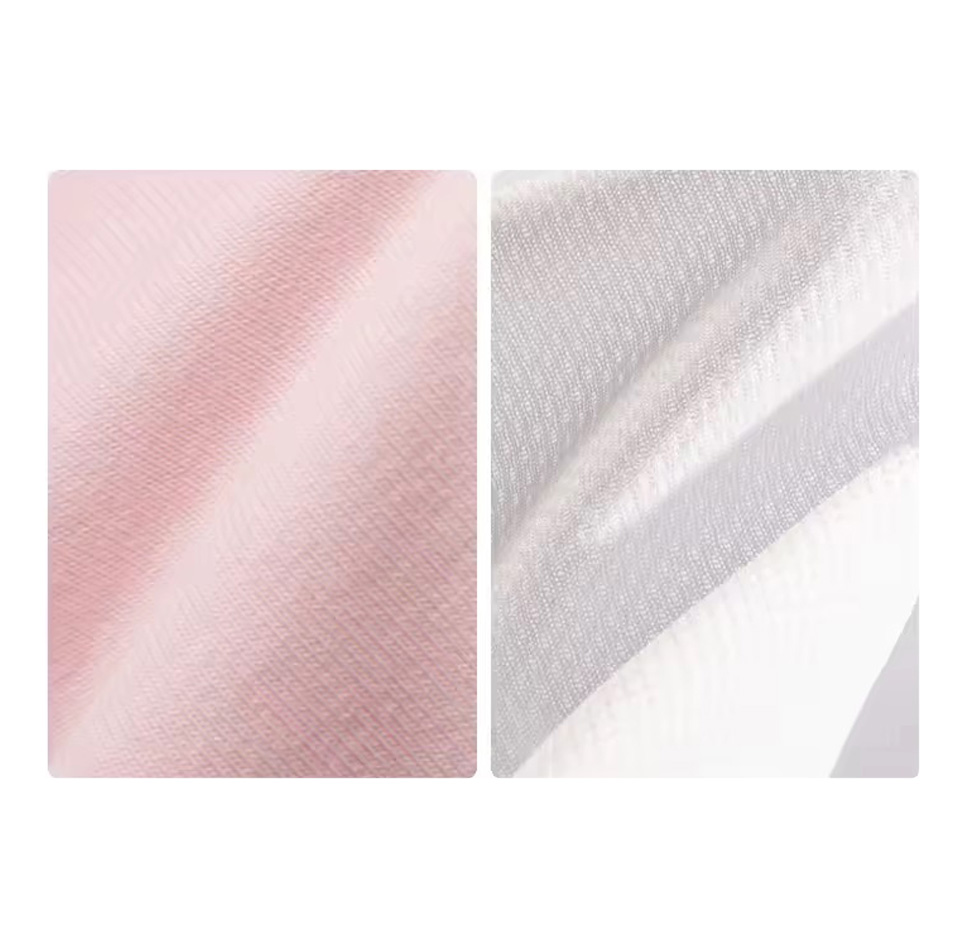 Wholesale Bravo Memory Foam Thicken Lower Back Pain Relief Waist Support Lumbar Nantong Bulawo Home Textile Co,. Ltd. is China wholesale Bravo Memory Foam Thicken Lower Back Pain Relief Waist Support Lumbar Cushion su...View Product →
How to Use a Lumbar Pillow for Sciatica Relief
Buying the right pillow is only the first step. Placement and usage habits determine whether it relieves your sciatica or simply becomes another object in your office.
Sitting technique
Place the pillow between the lower back and the chair back, at the level of the lumbar curve, roughly a hand's width above the top of the buttocks. Sit with your hips all the way back, feet flat on the floor, and knees at hip height. Your screen should sit at eye level to prevent slouching. The pillow should restore the natural curve of the lower back without pushing the spine into an exaggerated arch. If you feel forced forward, reposition the pillow or switch to a thinner model.
Sleeping positions
Side sleepers should place the lumbar pillow in the space between the waist and the mattress, and add a firm pillow between the knees. The knee pillow keeps the pelvis neutral while the lumbar pillow prevents the spine from sagging sideways. Back sleepers can place a lumbar pillow under the lower back and a flat pillow under the knees to take tension off the hip flexors. Stomach sleeping is the least favourable position for sciatica; if you cannot avoid it, put a flat pillow under your hips to reduce the angle of the lower spine.
Getting used to it
A well-designed lumbar pillow changes your posture, which can feel strange for the first few days. Start with one or two hours a day and build up gradually. Mild muscle soreness often occurs as the back adapts to better alignment. But sharp pain, greater nerve symptoms, or new numbness while using the pillow are warning signs. Stop and consult a healthcare professional if this happens.
The long-sitting combination
For people who sit more than eight hours a day, a pillow alone may not be enough. In that situation, the combination of a lumbar backrest and a pressure-relief seat cushion is the more complete solution. A seat cushion and backrest set for long sitting hours supports the lumbar curve while simultaneously relieving pressure on the buttock and sciatic nerve region. This dual approach is common in office-furniture specifications for good reason: seated workers rarely need support in only one area.
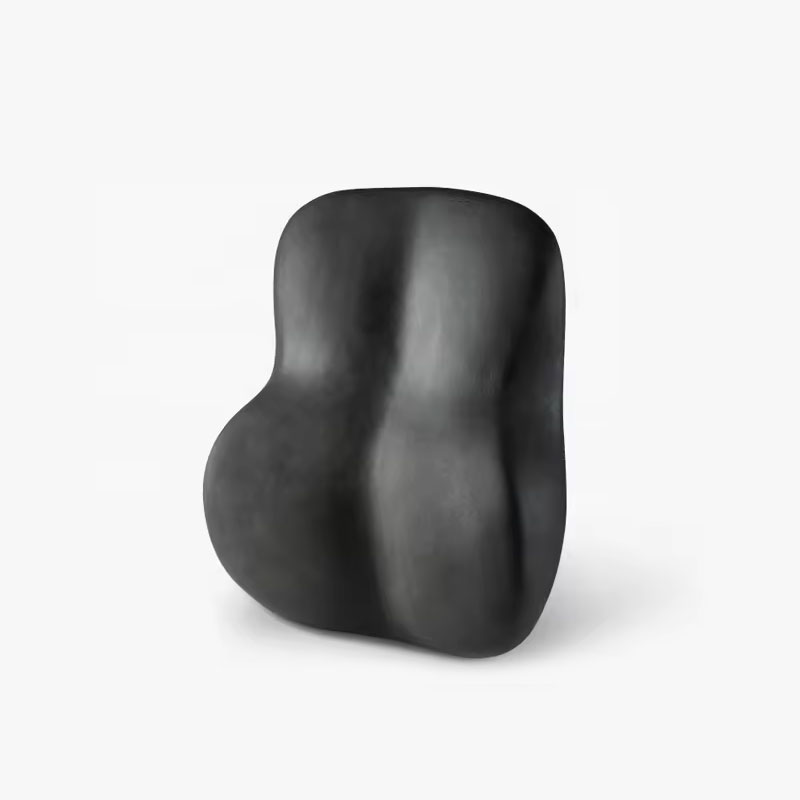 Wholesale Bravo Patented Pressure Relief Seat Cushion for Long Sitting Hours BacNantong Bulawo Home Textile Co,. Ltd. is China wholesale Bravo Patented Pressure Relief Seat Cushion for Long Sitting Hours Backrest Set ...View Product →
Final Verdict: Is a Lumbar Pillow Good for Sciatica?
Yes, but with conditions. For people whose sciatica is aggravated by prolonged sitting, a lumbar pillow restores the natural curve of the lower spine, reduces disc pressure, and takes tension off the sciatic nerve roots. That is meaningful, measurable relief.
It is not a cure. If your sciatica stems from a structural problem such as a herniated disc or spinal stenosis, a lumbar pillow is a comfort measure rather than a treatment. It should be paired with proper sitting habits, regular movement, and appropriate stretching. If pain persists, worsens, or is accompanied by leg weakness or loss of bladder control, seek medical attention promptly.
The practical conclusion is straightforward: a lumbar pillow is a low-risk, low-cost investment that solves a specific problem, sitting-related aggravation of sciatica. Choose one with dense memory foam, a contoured shape, and a secure strap; place it correctly; and use it consistently. It is rarely the only answer, but for many people with sciatica, it is a genuinely valuable piece of the solution.
 previous post