 English
 عربى
عربىWhat Is the Best Memory Foam Seat Cushion for Long Hours of Sitting
Memory Foam Seat Cushion Manufacturing: Materials, Density and Molding Standards
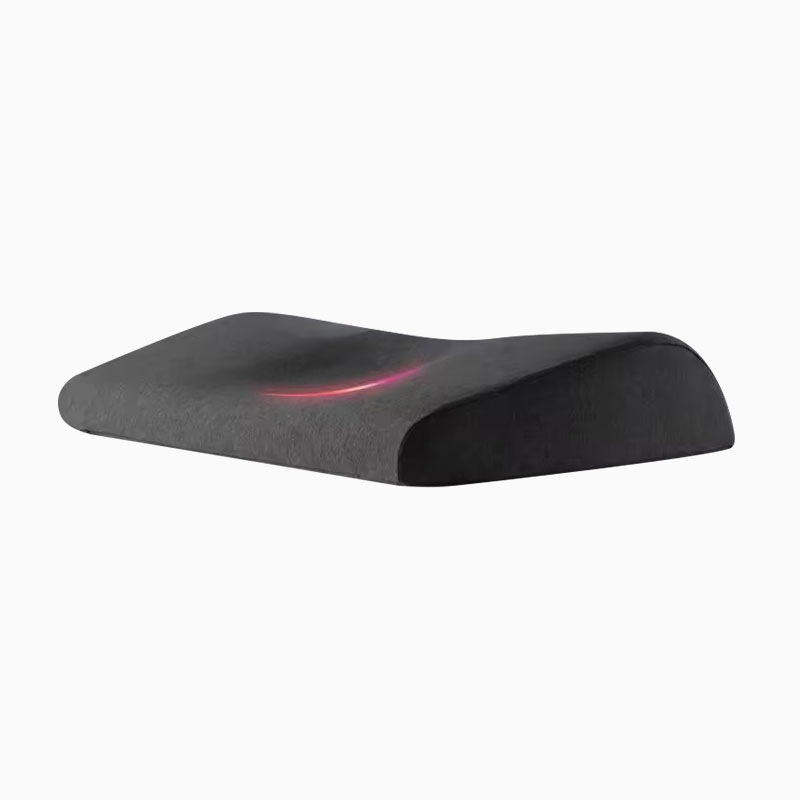
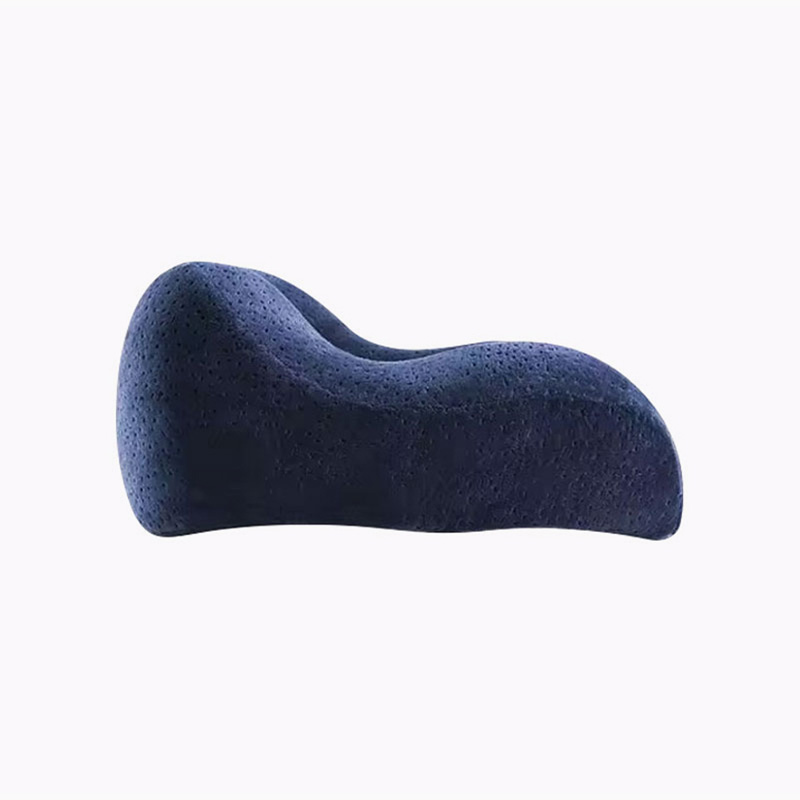
Every Memory Foam Seat Cushion begins on the production floor as raw polyurethane components before it ever reaches a car seat, an office chair, or a truck driver's cab. As a manufacturer that produces seat cushions in bulk, the process starts with polyol and isocyanate mixing under controlled temperature, followed by a foaming reaction that determines the final cell structure of the cushion. The open-cell structure created during this reaction is what gives memory foam its slow-rebound characteristic, allowing the seat cushion to absorb body heat and gradually conform to the sitter's shape.
Density is the single most important variable in seat cushion production. On our production line we typically work within a 3.0 to 5.5 lb/ft³ range depending on the intended application. A higher density foam holds its shape longer under repeated compression cycles, which matters most for car seat cushion and truck seat cushion products that face daily loading. Lower density foam is softer to the touch but compresses faster and loses supportive height sooner. Because of this trade-off, our factory runs compression set testing on every batch, pressing samples to 25% and 50% of original thickness and measuring recovery after 22 hours to confirm the foam meets the promised lifespan before it is approved for packing.
Molding is done using both slab-cut and direct-mold techniques. Slab-cut cushions are sliced from larger foam blocks and then contour-shaped using CNC cutting for consistent edges, which is common for flat seat cushions and outdoor seat cushions. Direct-molded cushions are poured into a shaped mold, producing the coccyx cutout and ergonomic curve seen in car seat cushion and office seat cushion products in a single step, reducing material waste and improving edge durability compared to cut foam.
Car Seat Cushion
Wedge-shaped front edge, non-slip PVC dotted base, breathable mesh cover designed for daily commuting and rideshare driving positions.
Truck & Long-Haul Cushion
Deep coccyx channel, reinforced foam core, wider seating surface built for multi-hour driving shifts and heavier body loads.
Office & Home Cushion
U-shaped cutout, moderate density foam, removable washable cover suited to desk chairs and dining chairs alike.
Outdoor Seat Cushions
Water-resistant fabric shell, quick-dry foam core, UV-stable stitching for patio furniture, stadium seating and camping use.
Gel Seat Cushion vs Memory Foam Seat Cushion: Parameter Comparison
Buyers frequently ask is gel seat cushion better than memory foam, and the honest answer depends on the priority: heat dissipation, weight, or long-term support. Our production data across both product lines gives a clearer technical picture than marketing claims alone.
| Parameter | Gel Seat Cushion | Memory Foam Seat Cushion |
| Heat dissipation | High – gel layer draws body heat continuously | Moderate – requires perforation or mesh cover for airflow |
| Initial firmness | Firmer on contact | Softer, gradual body contouring |
| Pressure redistribution | Concentrated in gel zones | Even distribution across full seat surface |
| Weight (standard 18-inch size) | 1.6 – 2.2 kg | 0.7 – 1.1 kg |
| Cold-weather performance | Can stiffen at low temperatures | Stable across normal ambient range |
| Typical service life | 1.5 – 2.5 years | 2.5 – 4 years at recommended density |
| Best suited for | Short static sitting, hot climates | Extended sitting, driving, mixed climates |
What Is the Best Seat Cushion for Truck Drivers
The question of what is the best seat cushion for truck drivers comes up constantly from fleet buyers and individual drivers alike, and the answer is rooted in three measurable factors rather than brand preference. The first is thickness. A cushion below 5 cm rarely provides enough compression buffer for shifts over four hours, while anything above 9 cm can raise the seating position enough to interfere with mirror alignment and pedal reach. Our standard truck-oriented seat cushion runs 6 to 7.5 cm at the rear, tapering slightly toward the front.
The second factor is base stability. A cushion that slides during braking or cornering does more harm than good, so non-slip silicone dot patterns or elastic hook straps are built into every unit intended for commercial cab use. The third factor is the coccyx relief channel — a U-shaped or open-back cutout at the rear of the cushion that lifts pressure off the tailbone during long periods without standing. Drivers who log 8 to 11 hours behind the wheel report the most noticeable difference when this cutout is present combined with a firmer foam base underneath a softer top layer, a two-density construction we run in our commercial cushion line.
Do Seat Cushions Really Help With Sitting Discomfort
From a manufacturing and materials standpoint, do seat cushions really help is best answered by looking at pressure mapping data rather than anecdote. Independent pressure-mapping tests on foam seat cushions show that a correctly sized cushion reduces peak pressure at the ischial tuberosities — the two bony points that bear most of the load when seated — by redistributing force across a wider surface area. This does not eliminate discomfort caused by poor posture or excessively long static sitting, but it does lower the rate at which localized numbness develops.
The effectiveness of any seat cushion also depends heavily on matching foam density to body weight and existing chair firmness. A cushion placed on an already well-padded chair adds diminishing returns, while the same cushion on a hard wooden or metal seat produces a much more noticeable improvement. This is why we manufacture the same cushion seat cushion shape in multiple density options rather than a single universal firmness, since a lightweight user and a heavier user require different levels of support to reach the same pressure-relief outcome.
What Is the Most Comfortable Cushion to Sit On
What is the most comfortable cushion to sit on is not answered by a single product but by matching cushion geometry to the sitting task. For static desk work, a U-shaped cutout with medium density foam prevents pressure buildup without destabilizing balance while typing or reaching. For driving, a wedge-profile cushion with firmer foam under the thighs improves circulation and reduces lower back strain caused by prolonged hip flexion. For outdoor and recreational seating, a flatter, more water-resistant cushion prioritizes weather resistance over deep contouring, since the primary discomfort source outdoors is a hard, uneven, or damp surface rather than prolonged static pressure.
Across our seat cushion production lines, the most consistent driver of comfort ratings is not the foam type alone but the ratio between cushion thickness, cutout depth, and the firmness of the surface the cushion sits on. A cushion tested only on a laboratory bench performs differently once placed on a bucket-style car seat, a mesh office chair, or a wooden bench.
How to Reupholster a Seat Cushion
Buyers sourcing replacement covers or refurbishing older seat cushions often ask how to reupholster a seat cushion, and the process follows a consistent sequence regardless of cushion shape.
Remove the existing cover by releasing staples, zippers, or hook fasteners along the underside seam, taking care not to tear the foam core beneath.
Inspect the foam core for compression damage, cracking, or odor. If the density has visibly collapsed, replace the core before recovering, since a new cover over degraded foam will not restore support.
Cut the replacement fabric using the old cover as a template, adding a 2 to 3 cm seam allowance around all edges for wrapping and stitching.
Fit the new cover over the foam core starting from the center and working outward, pulling evenly on opposite sides to avoid bunching at the corners.
Secure the underside using a staple gun for rigid-frame cushions or a hidden zipper for removable, washable covers, then let the cushion rest for 24 hours before use so the fabric settles into shape.
Customization, Certification and Packaging for Seat Cushion Production
As a factory rather than a trading company, customization runs deep into the production process rather than being limited to surface printing. Foam density, cutout depth, cover fabric, edge piping color, and base material can all be adjusted per order specification. Common cover options include breathable 3D mesh, ventilated PU leather, and moisture-wicking polyester, each suited to different climates and seating environments. For outdoor seat cushions specifically, fabric is selected for water resistance rating and colorfastness under UV exposure so cushions used on patios or vehicles do not fade or degrade after repeated sun exposure.
Certification testing covers foam fire retardancy (CertiPUR-US and equivalent regional standards), material safety for skin contact, and compression durability testing across repeated load cycles. Packaging is engineered around compression shipping — memory foam cushions are vacuum-compressed and rolled to reduce shipping volume by up to 70%, then expand back to full shape within a few hours of unpacking without any loss of density or support.
Quality Control Process Behind Every Cushion Seat Cushion Batch
Incoming Material Check
Raw foam blocks and fabric rolls are inspected for density consistency, color match, and tensile strength before entering production.
In-Line Dimension Check
Every cushion is measured against tolerance specs for thickness, cutout depth, and overall length during the cutting and molding stage.
Compression Set Testing
Random samples from each production batch undergo repeated compression cycles to confirm recovery rate and long-term support retention.
Final Packing Inspection
Finished seat cushions are checked for stitching quality, cover fit, and correct vacuum compression before sealing for shipment.
This layered quality process applies equally across the full product range — from a compact car seat cushion to a full-size outdoor seat cushion or a commercial-grade truck driver cushion — so that every unit leaving the factory meets the same density, durability, and comfort specification regardless of the final application it is built for.
 previous post